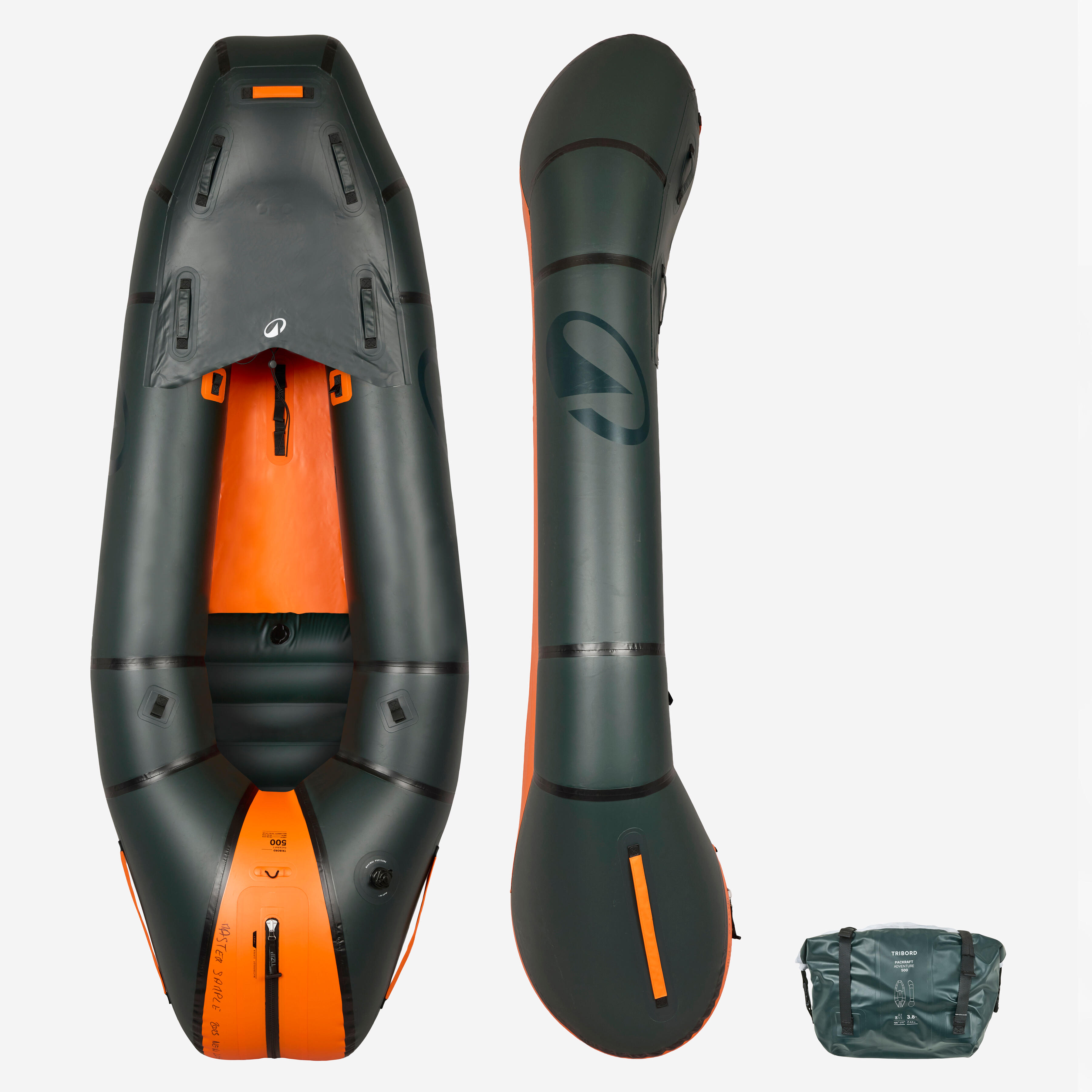
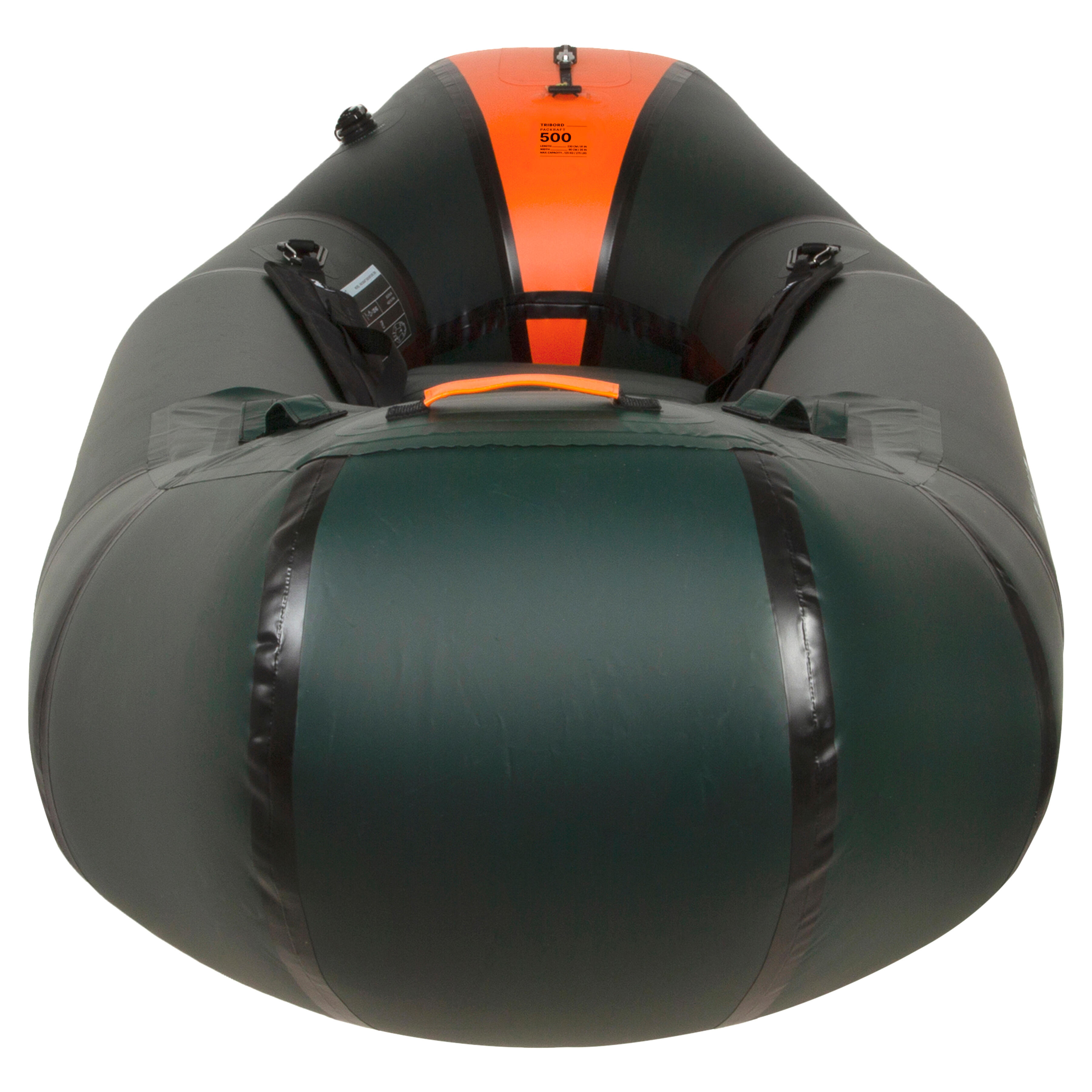
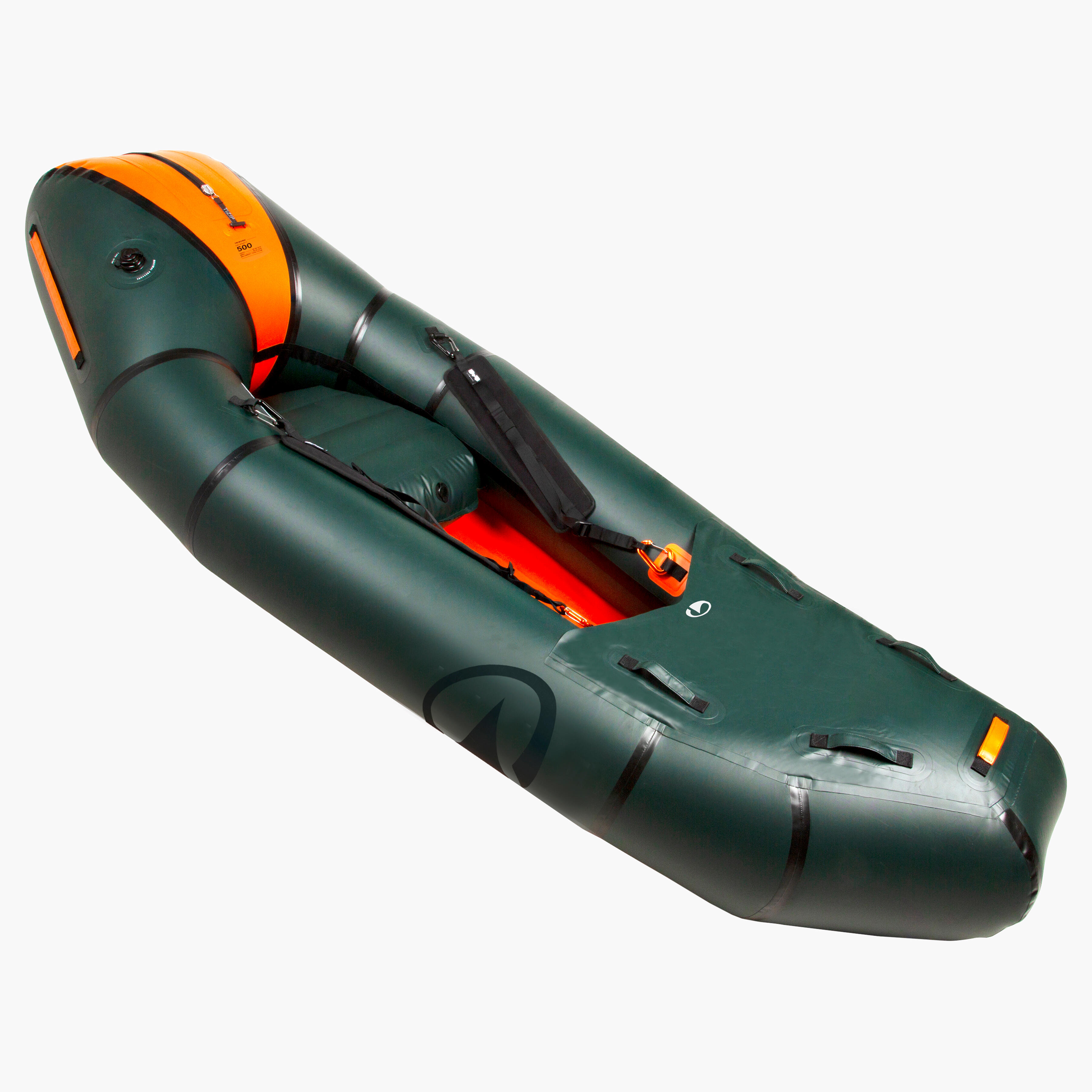
Dimensions How heavy is it?
When the kayak is inflated:
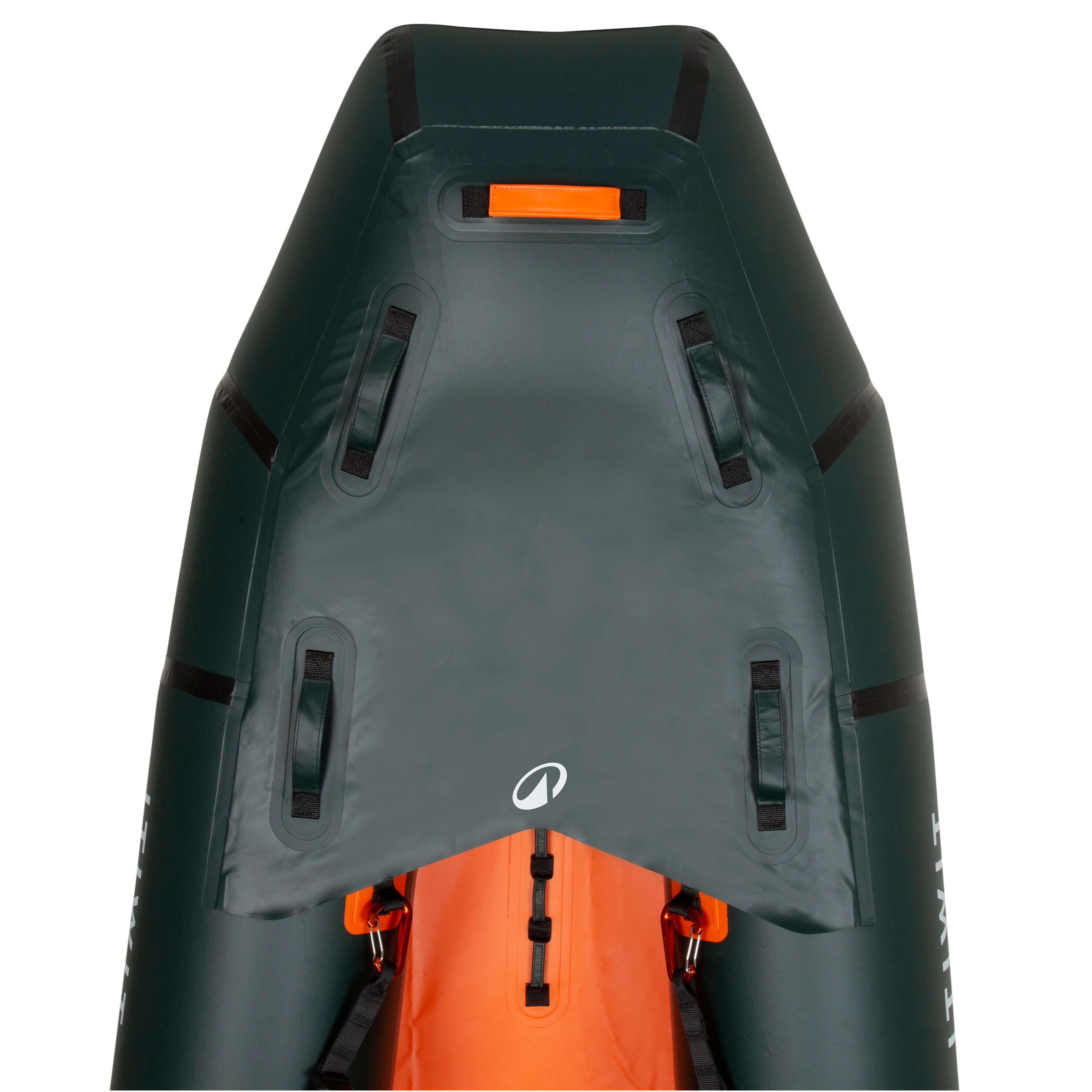
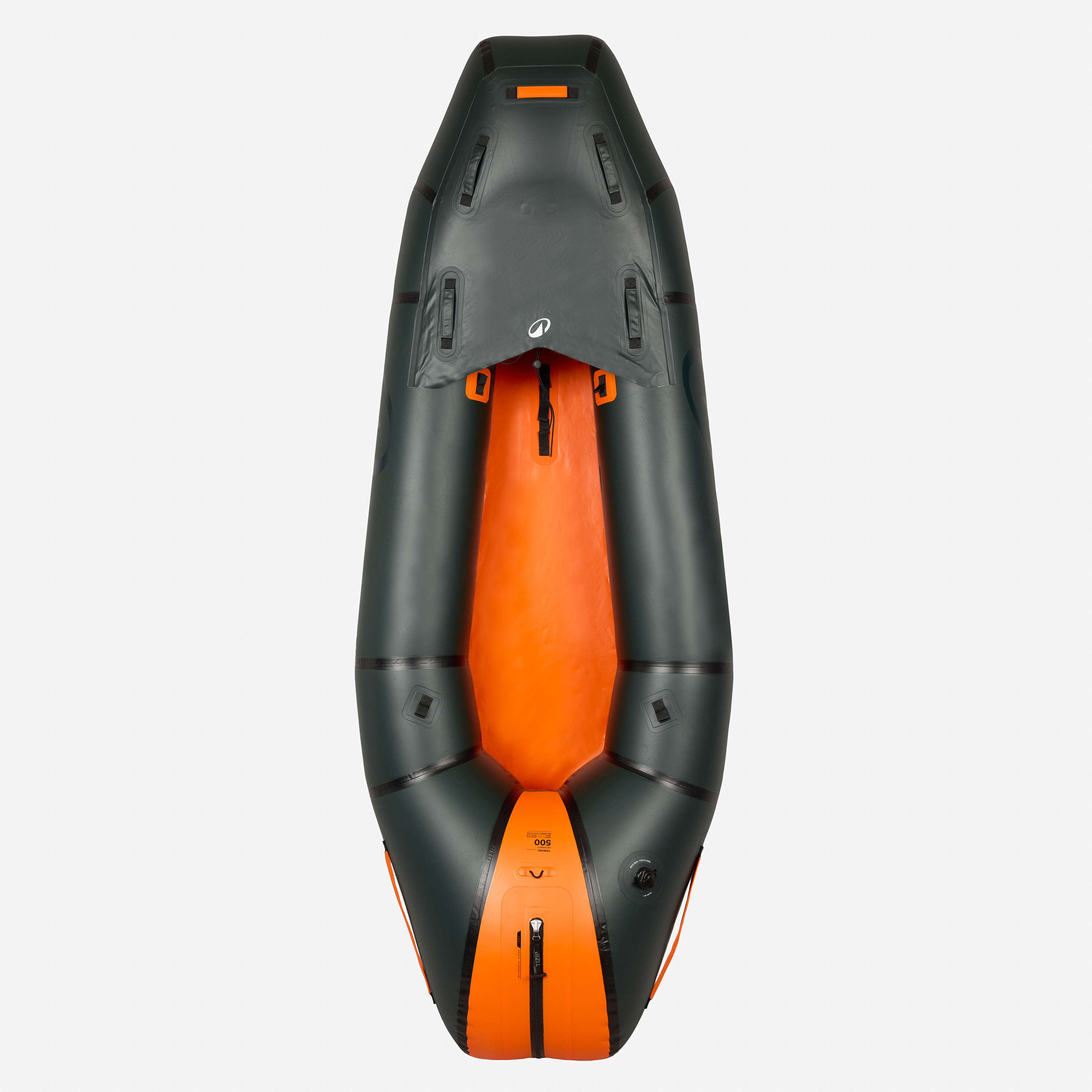
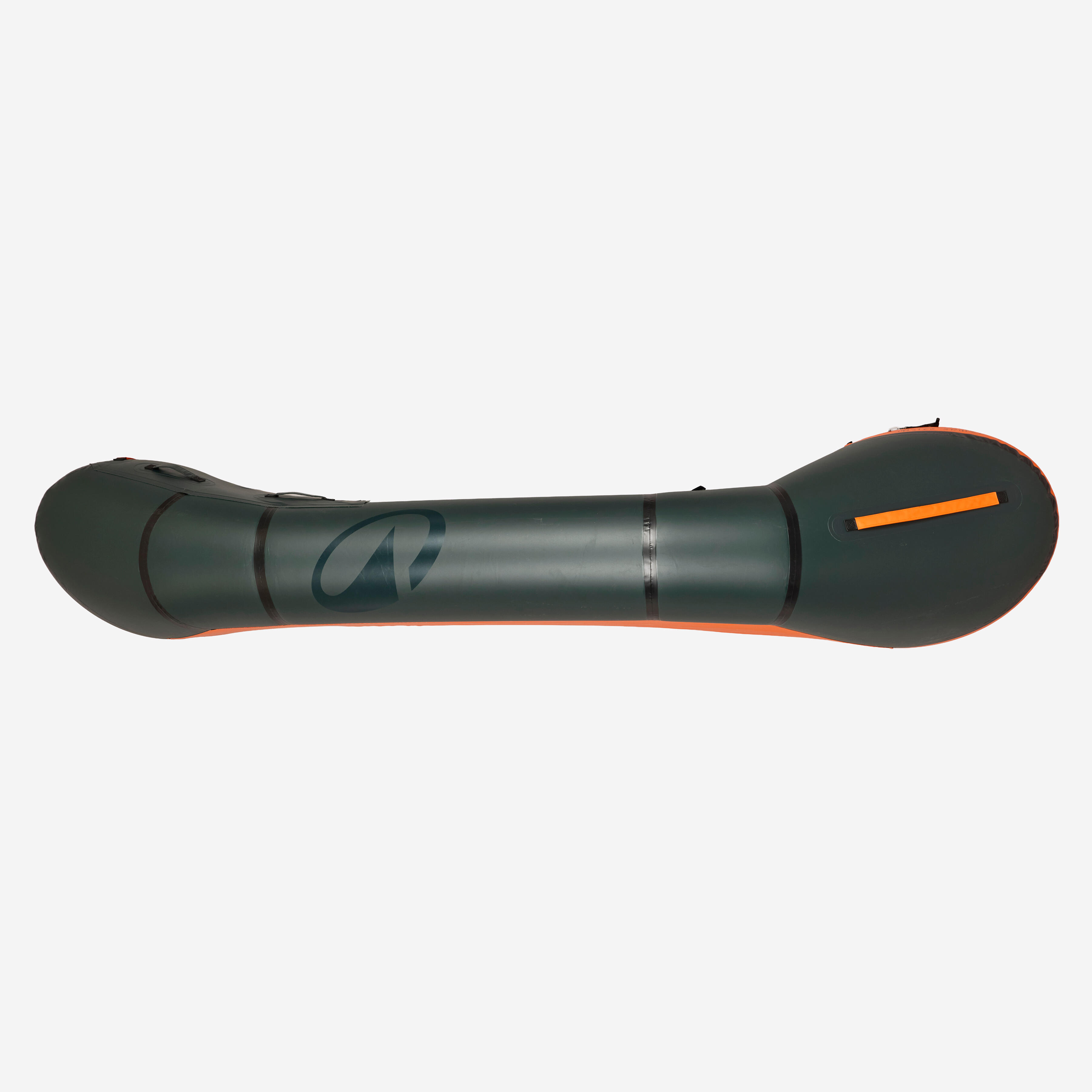
> length: 230 cm
> internal length: 123 cm
> width: 90 cm
> internal width at the seat: 39 cm
> height: 47 cm
> air volume: 320 litres
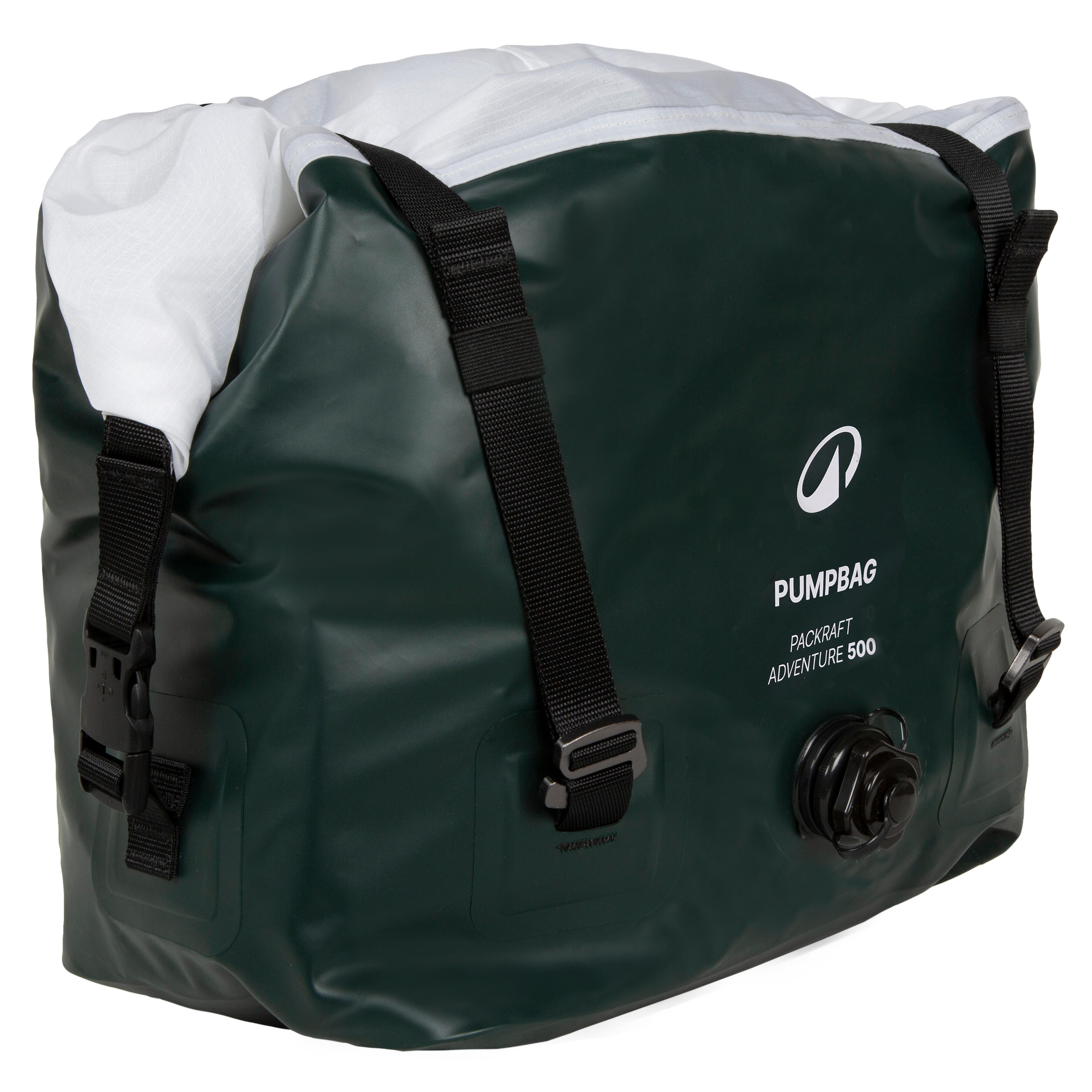
When stored in its bag:
> height: 30 cm
> width: 40 cm
> thickness: 25 cm
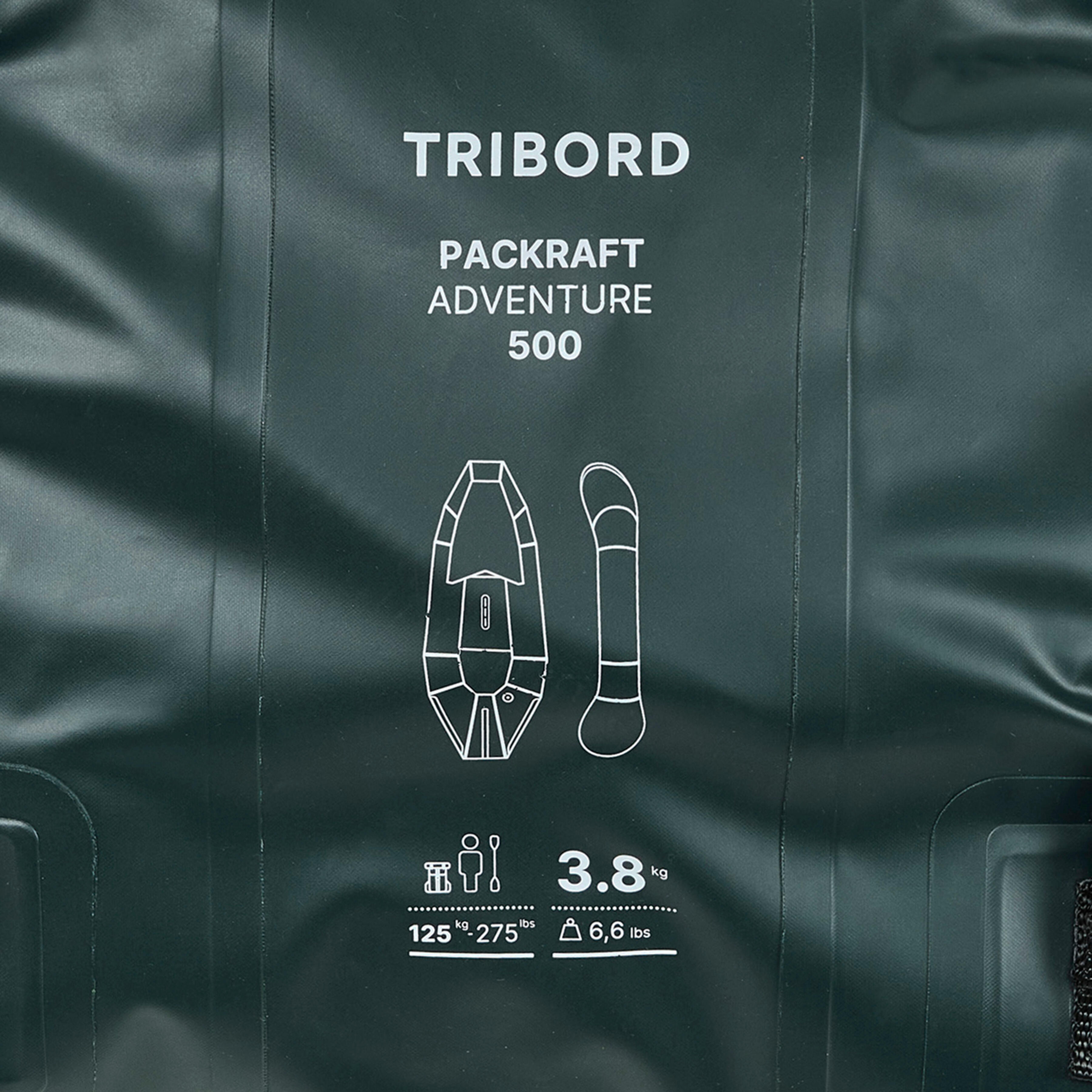
> full weight: 3.8 kg (including:. packraft, pump bag, inflation tube, seat, thigh braces, repair kit, compression strap)
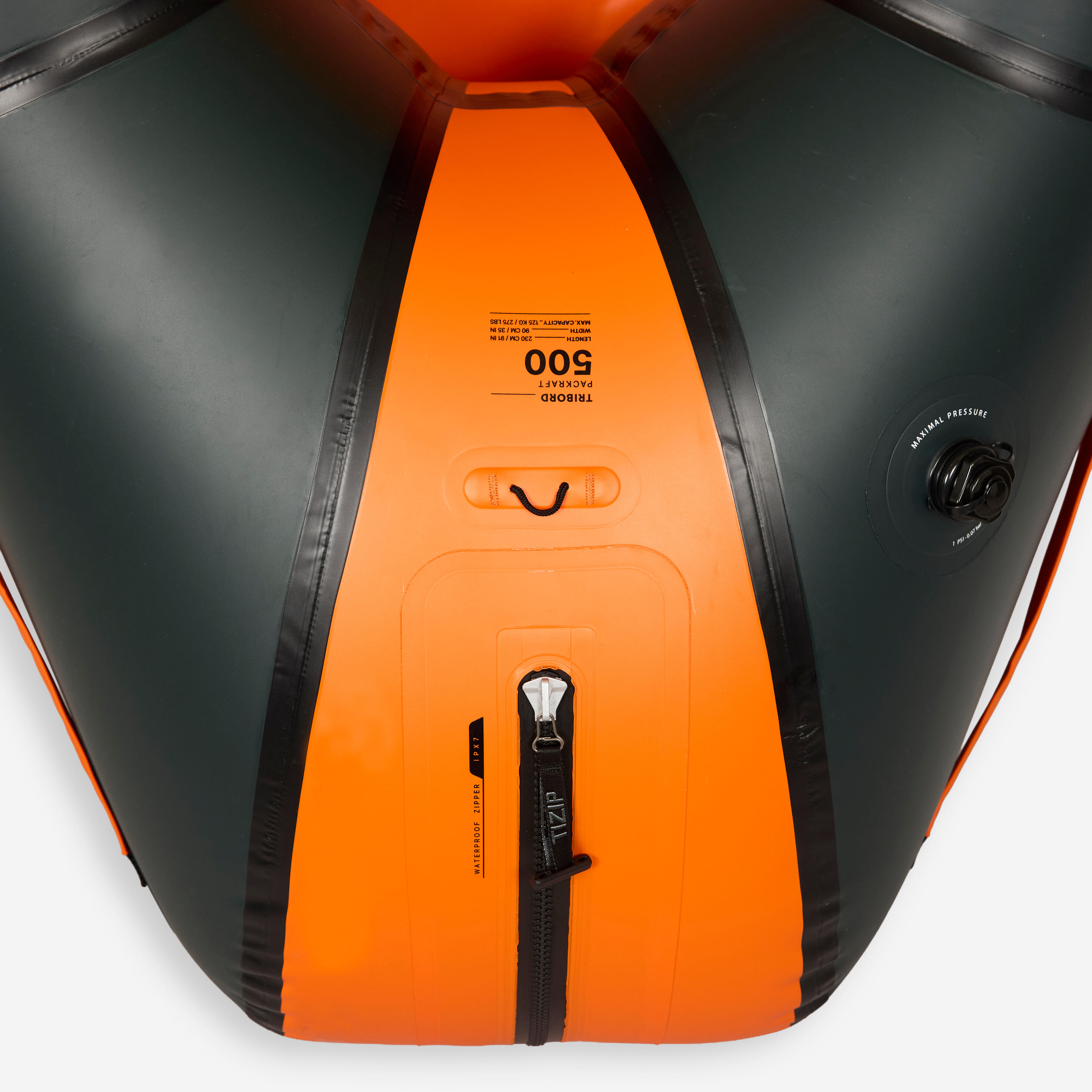
Waterproof T-Zip with 50 cm opening.
Which packraft should you choose?
To choose between the PR500 and PR100 you need to answer these questions:
- Do you need a waterproof compartment?
If so, opt for the PR500
- Will you be sailing on flat water (lakes, calm rivers) or white water?
=> flat water: the PR100 is all you need.
=> whitewater (class II max recommended): PR500
=> both: The PR500 is more suitable.
- How much weight will you be carrying?
> up to 110 kg: PR100
> up to 125 kg: PR500
How do I maintain and look after my waterproof zip over time?
The waterproof zip chosen is a T-zip, which is effective against water ingress when sailing. However, the zip needs to be maintained to keep it watertight over time.
Advice:
- Avoid getting the inside of the zip wet. If you can’t, allow the textile part of the zip inside the front pocket to dry thoroughly before folding.
- Grease your zip regularly: a tube of lubricant is supplied for use on the teeth and slide.
Why go packrafting?
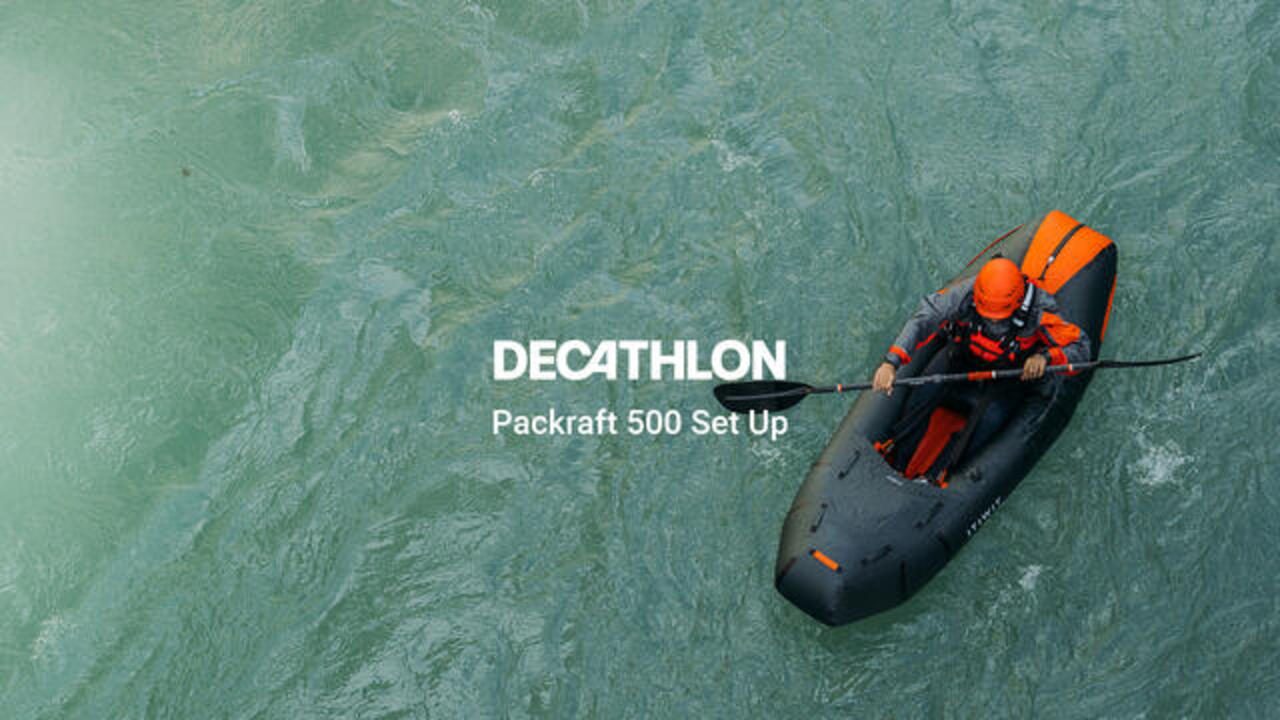
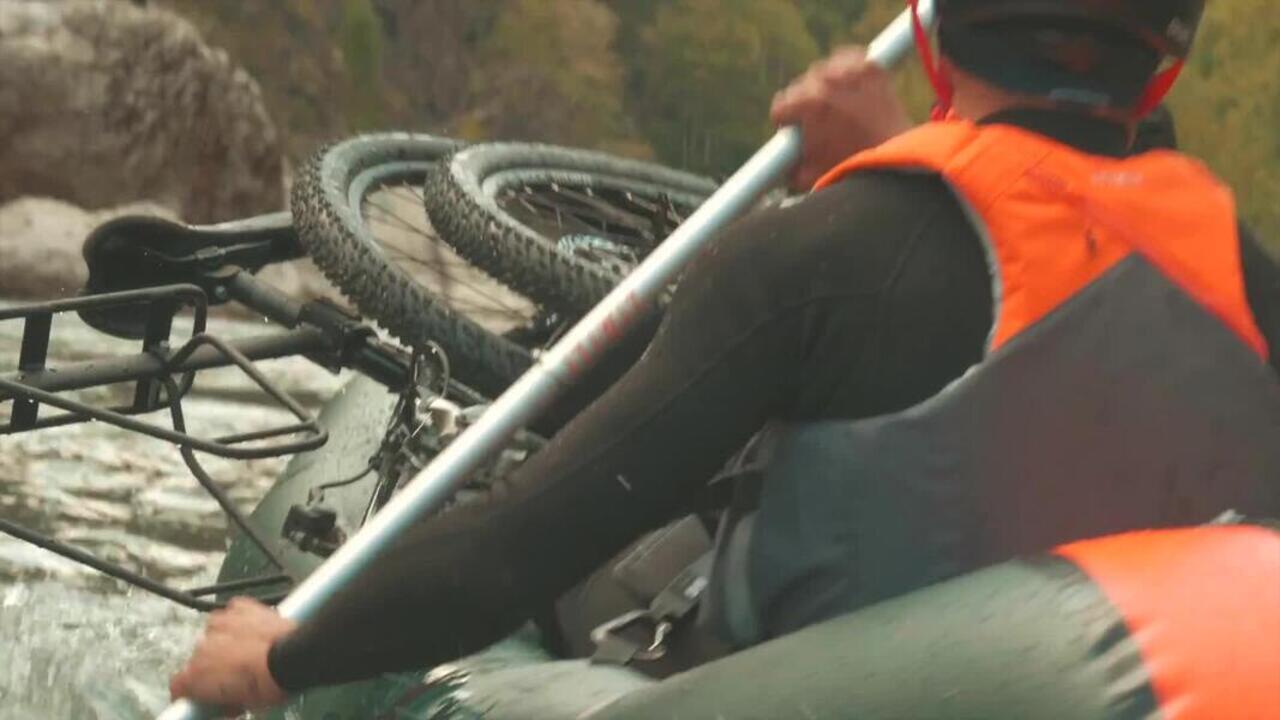
Packrafts are an adventure in waiting for those passionate about outdoor sports. This experience combines at least two sports and allows you to vary your fun and enjoy the scenery differently when rafting upstream and downstream.
Go walking or cycling, for one or more days, to reconnect with nature and make the most of it!
What is the difference between Rafting and Packrafting?
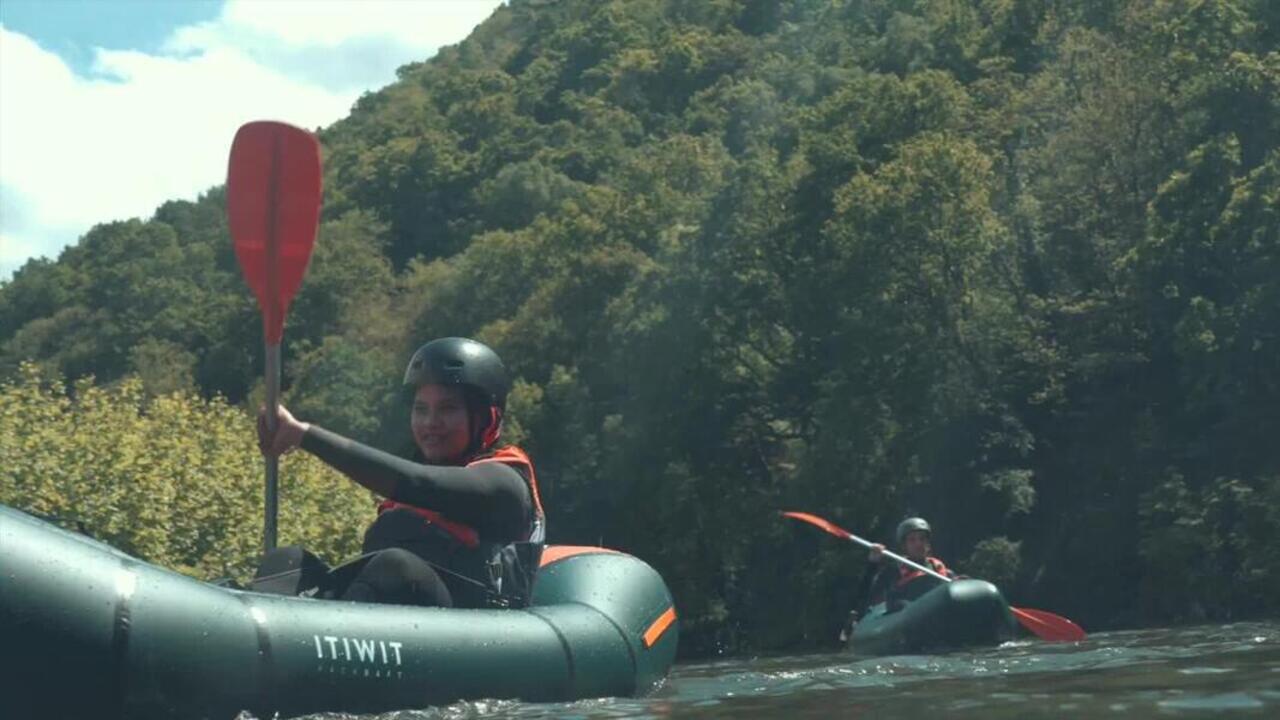
Rafting and packrafting are practised on rivers with varying degrees of rapids. In rafting, you are in a team on the same craft, and you steer the raft with a simple paddle (canoe style) and head downriver. In packrafting, you head upstream and then paddle downriver in your packraft (we recommend that you stay together as a group, and use a double paddle (kayak-style).
The packraft stands alone and weighs only 4 kg, while the raft, weighing around 80 kg and can be carried between the group.
How was the design worked?
A packraft in the colours found in river scenery to allow you to have an immersive experience. For safety reasons, the orange allows you to remain visible at all times and to be tracked on the water. The Itiwit teams have created different prototypes in order to test the different shapes and provide you with maximum manoeuvrability and good stability. In the interest of compactness, the packraft only has the essentials so that it can keep up with you on all your adventures.
How to inflate the packraft.
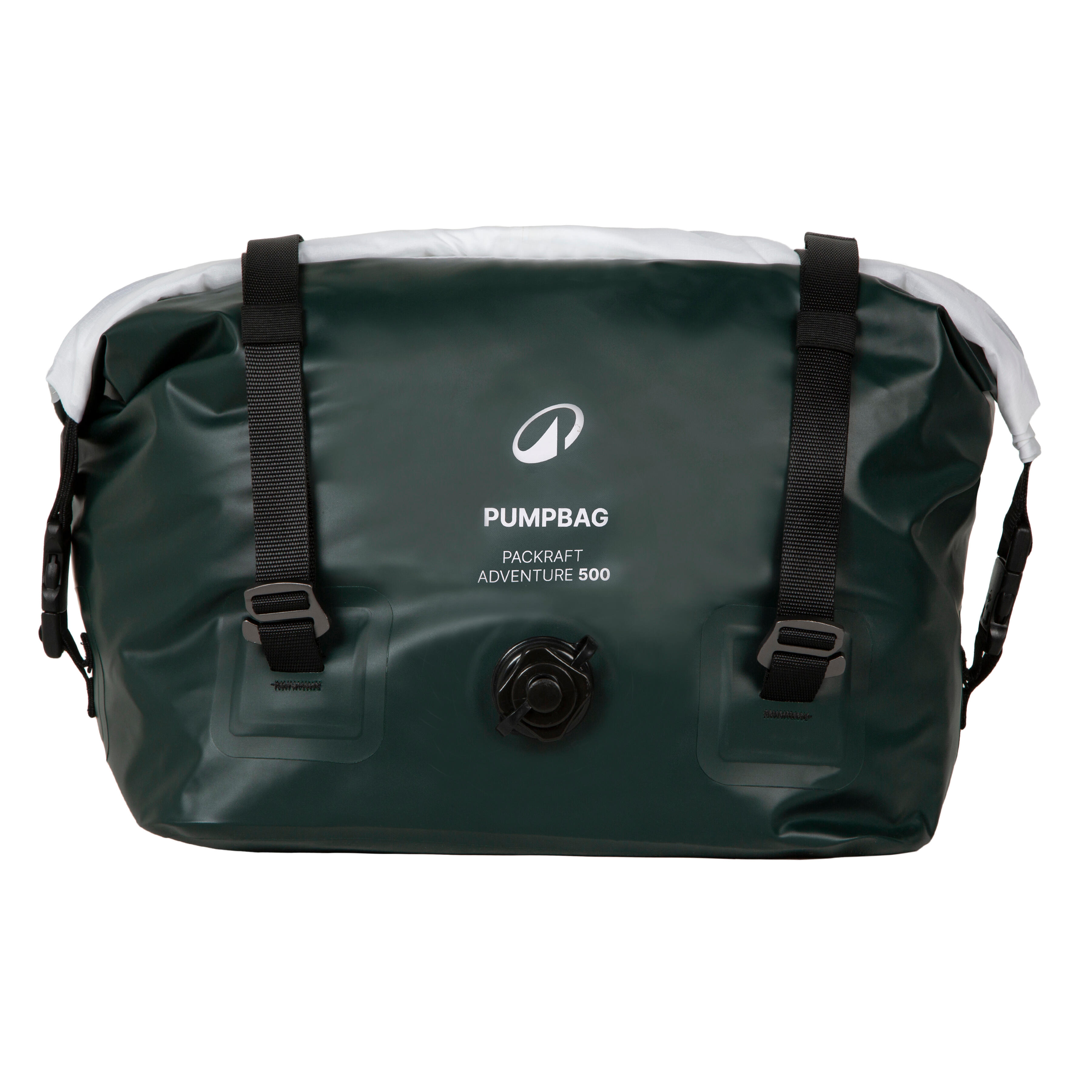
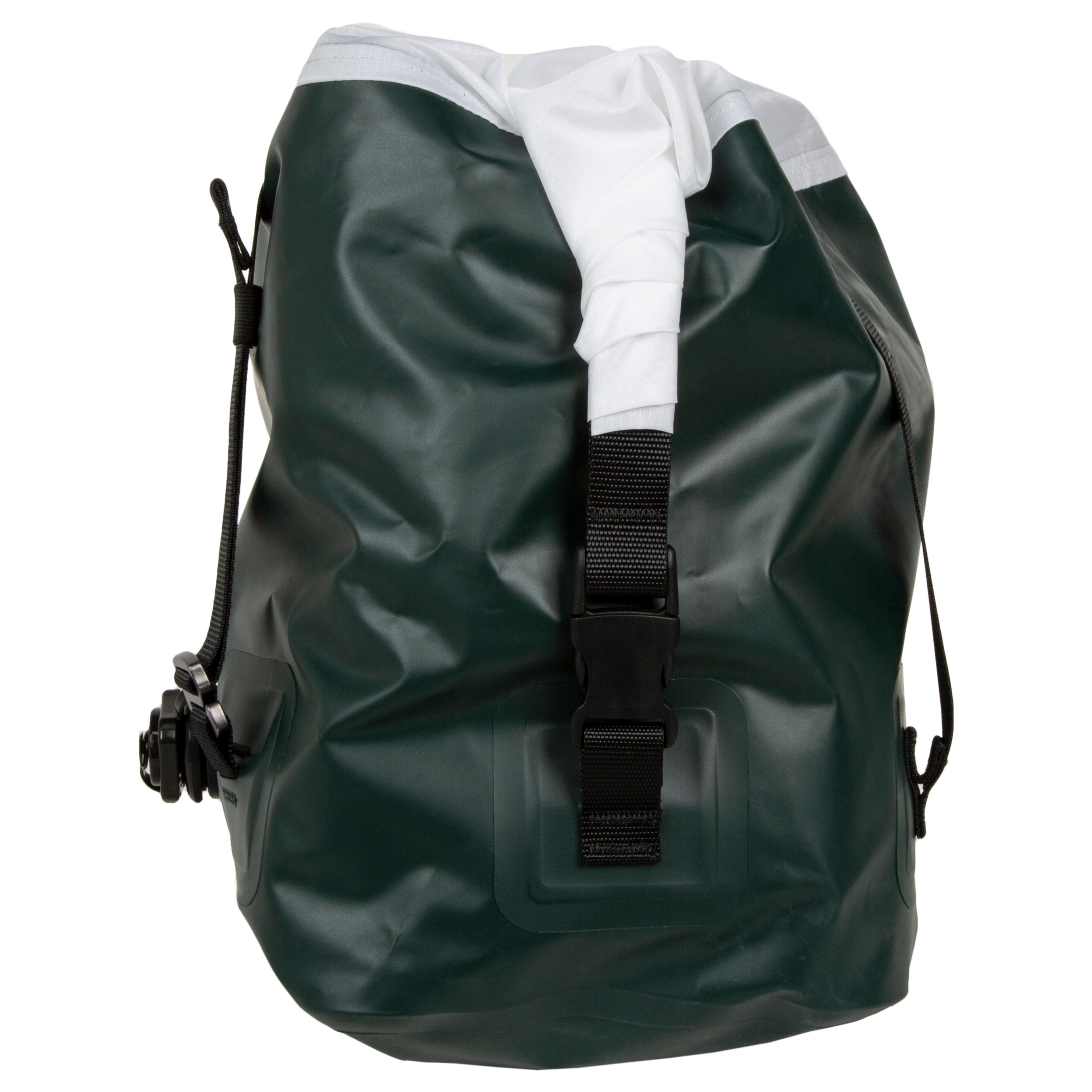
Connect the tube to the valve of the packraft as well as to the valve of the inflation bag. Open the bag fully to trap a maximum amount of air. Close the top of the bag and roll it to allow the air to pass into the raft. You can press it with your knees to help.
The packraft is sufficiently inflated when you can no longer inflate it with the bag. Use the same technique to inflate your seat.
Fold the inflation bag and stow it with the hose below deck.
What does the Kayak bag contain?
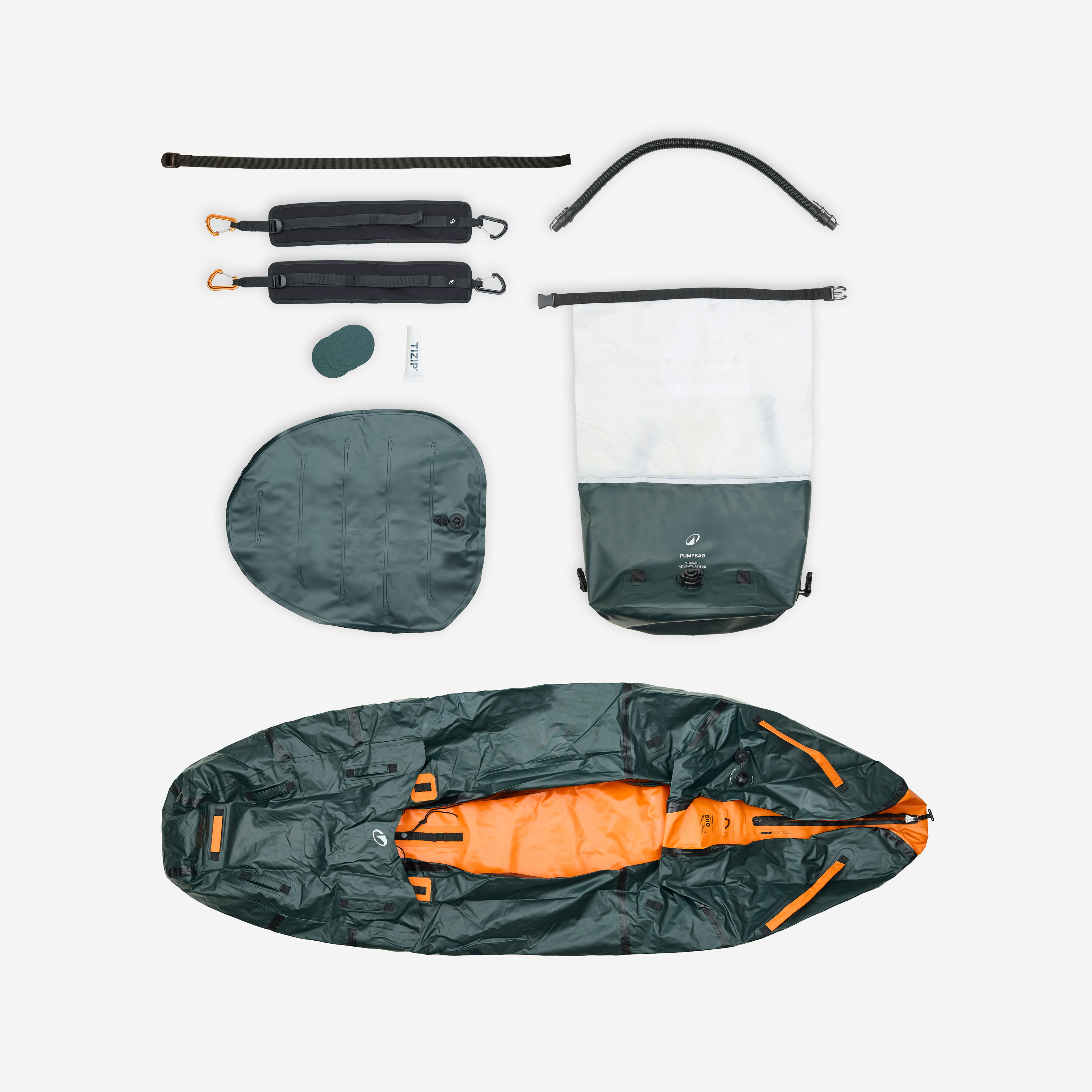
The pack includes:
-the “pump bag”: storage bag and also the bag that will help you inflate the packraft
- the hose
- the packraft
- the seat
- the kneepads
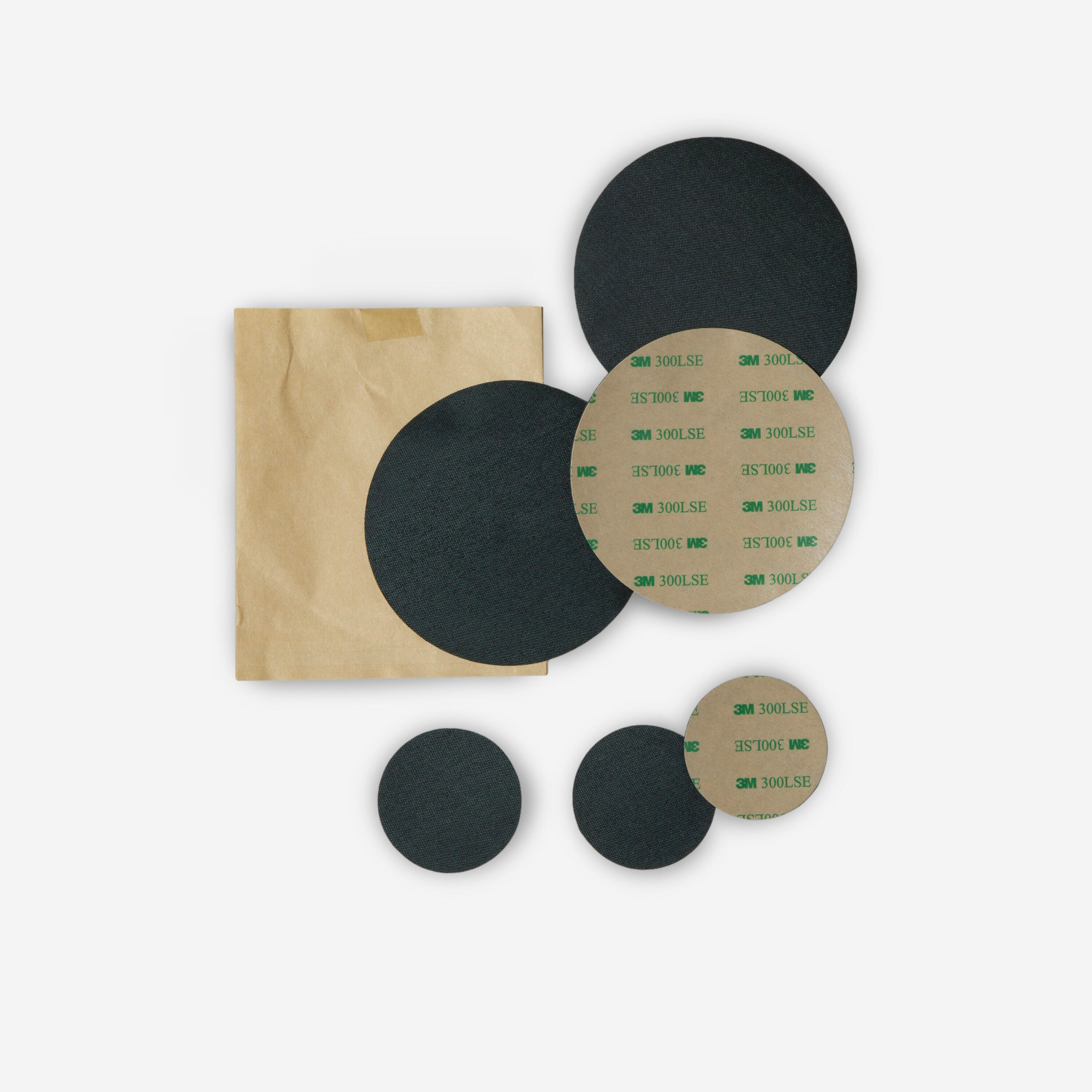
- a repair kit.
Safety on the water
Remember to use an ISO 12402-5 life vest and an EN 1484 helmet when you head out onto rivers.