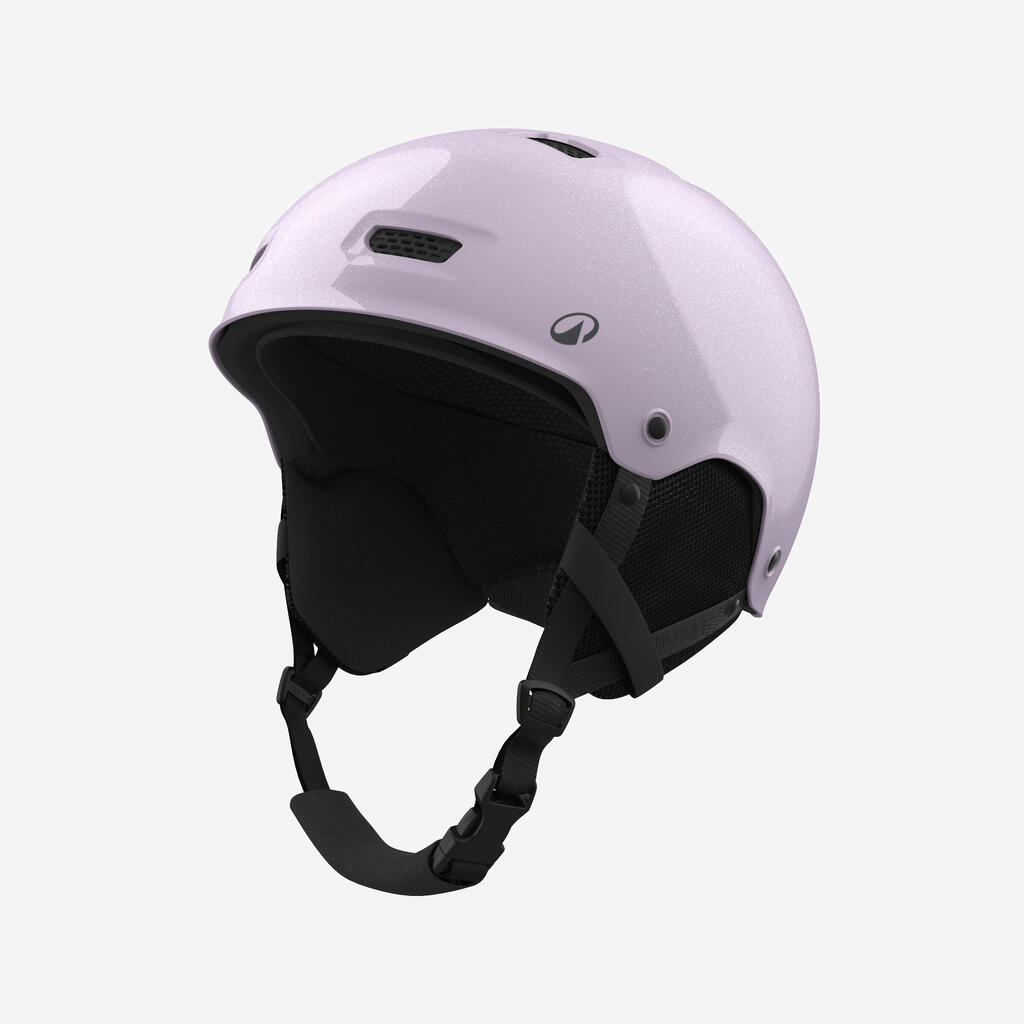
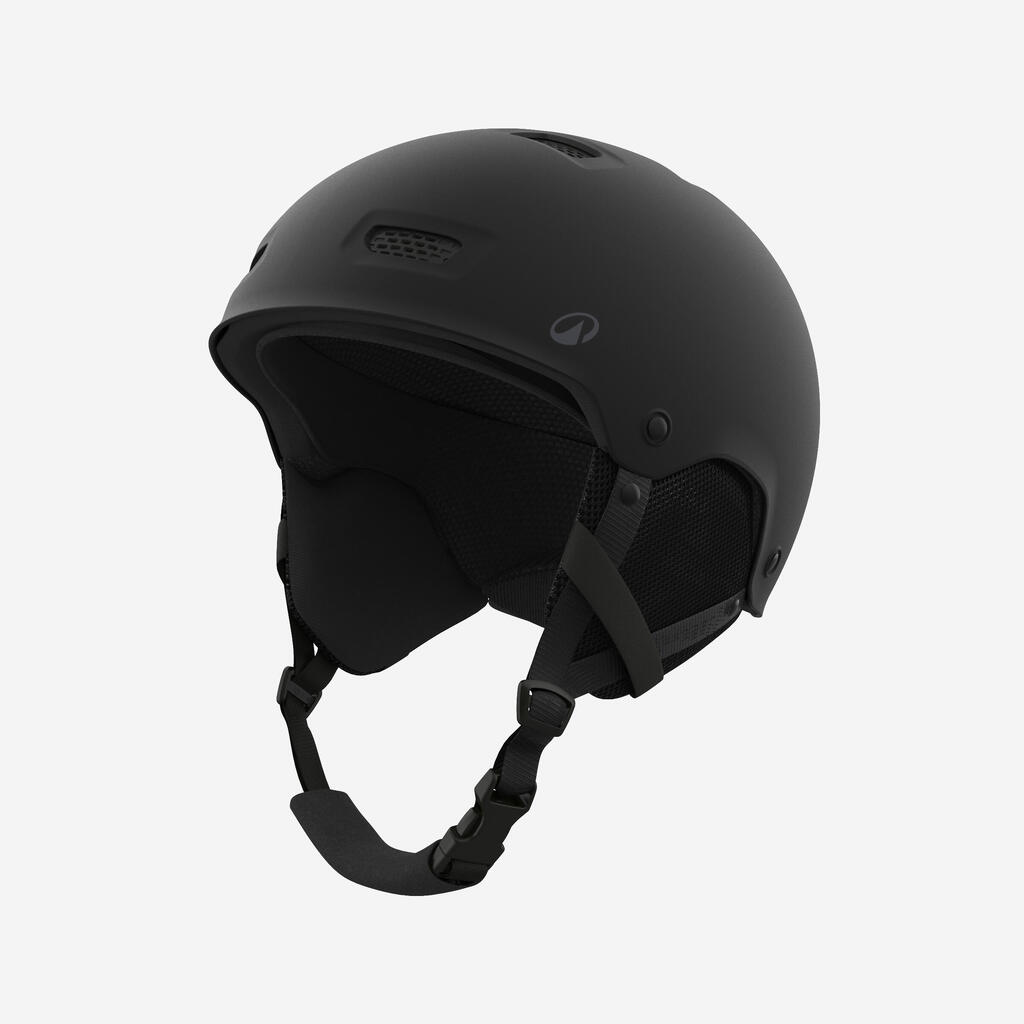
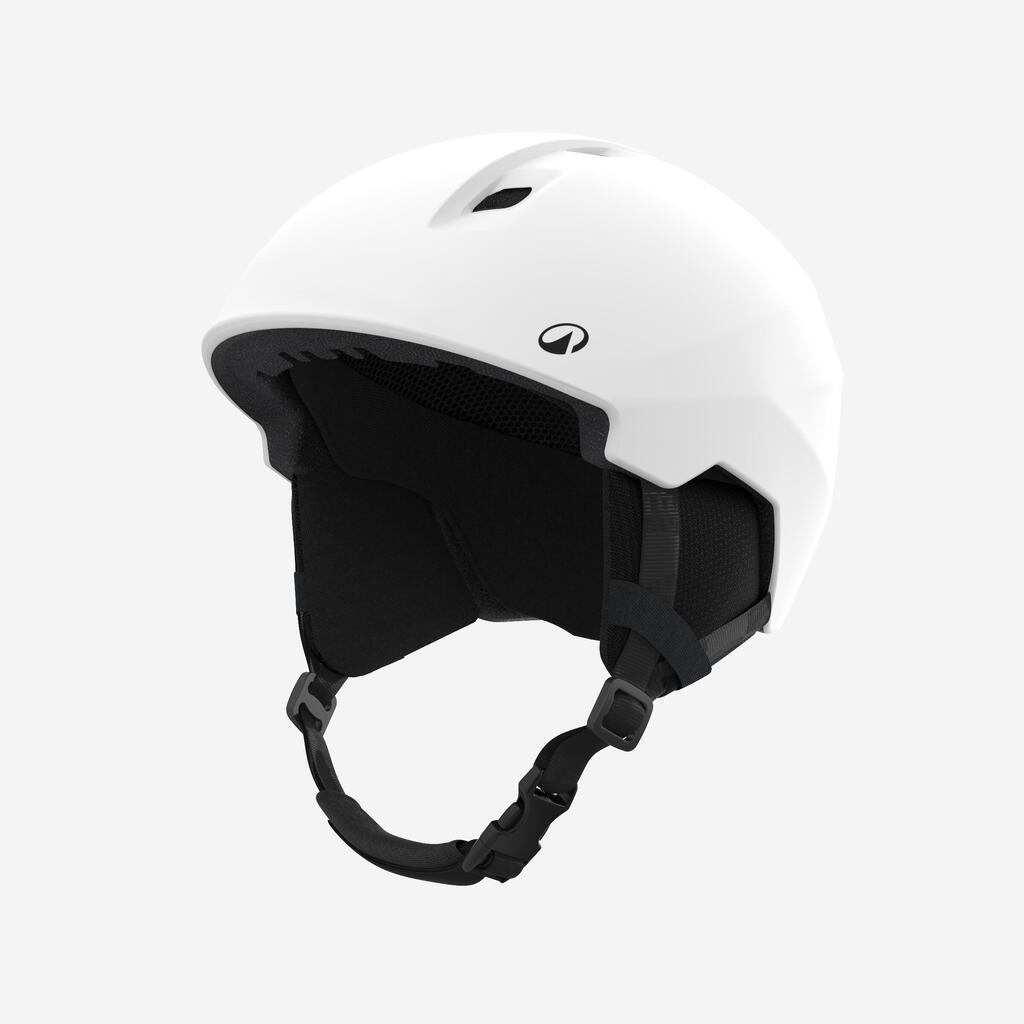
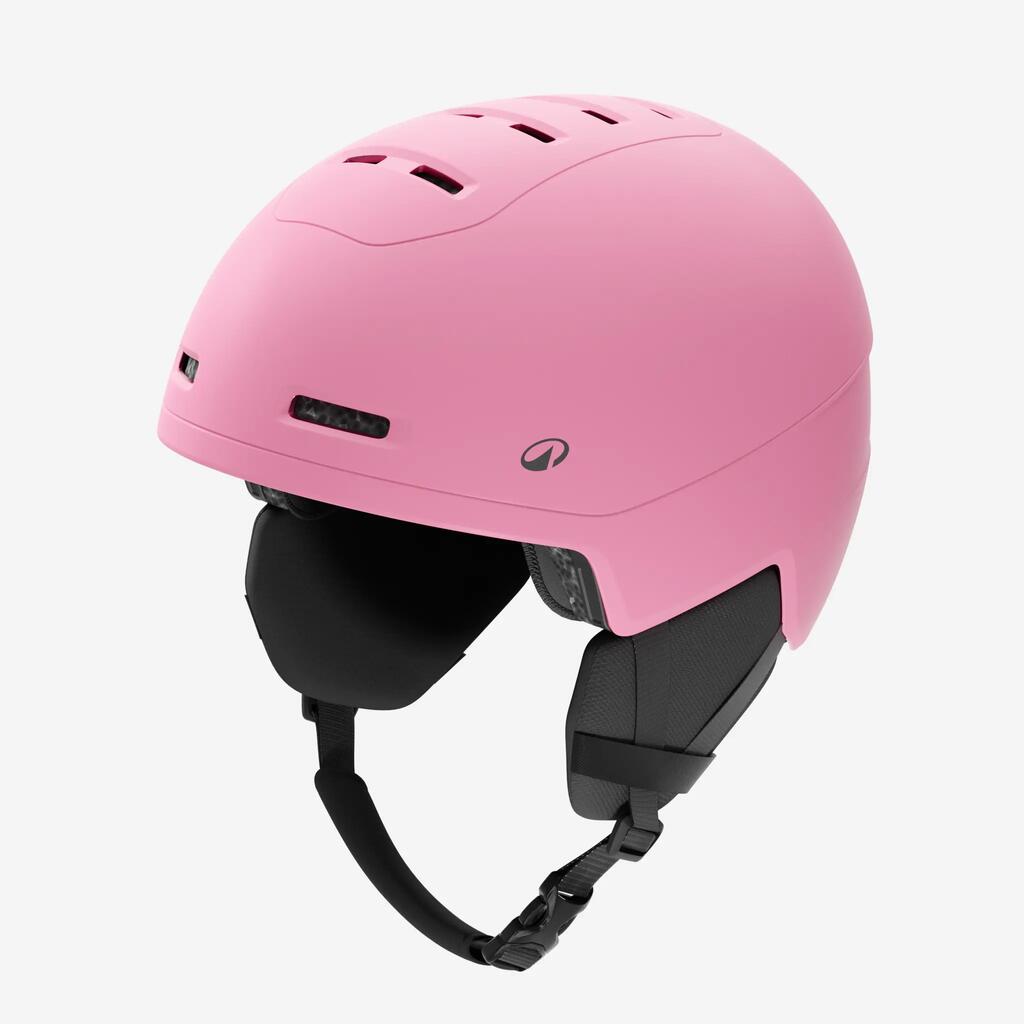
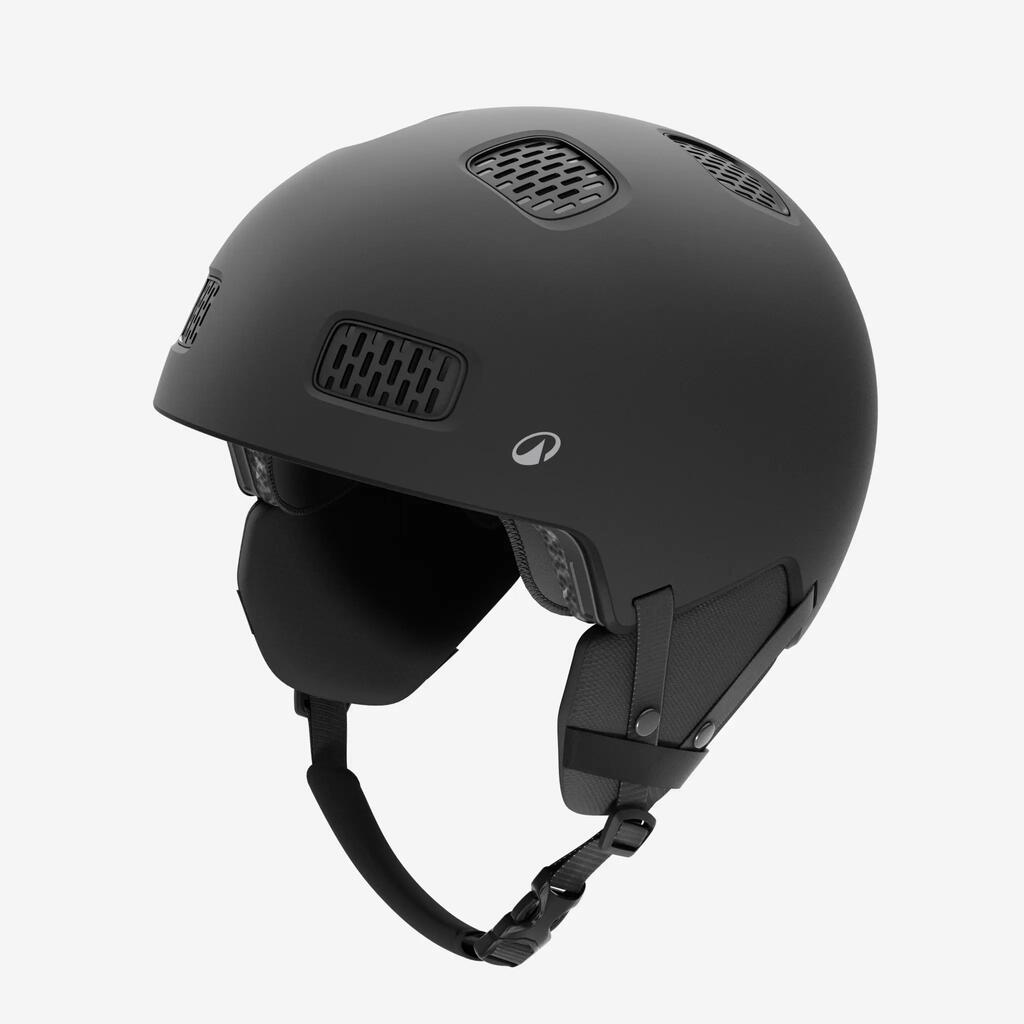
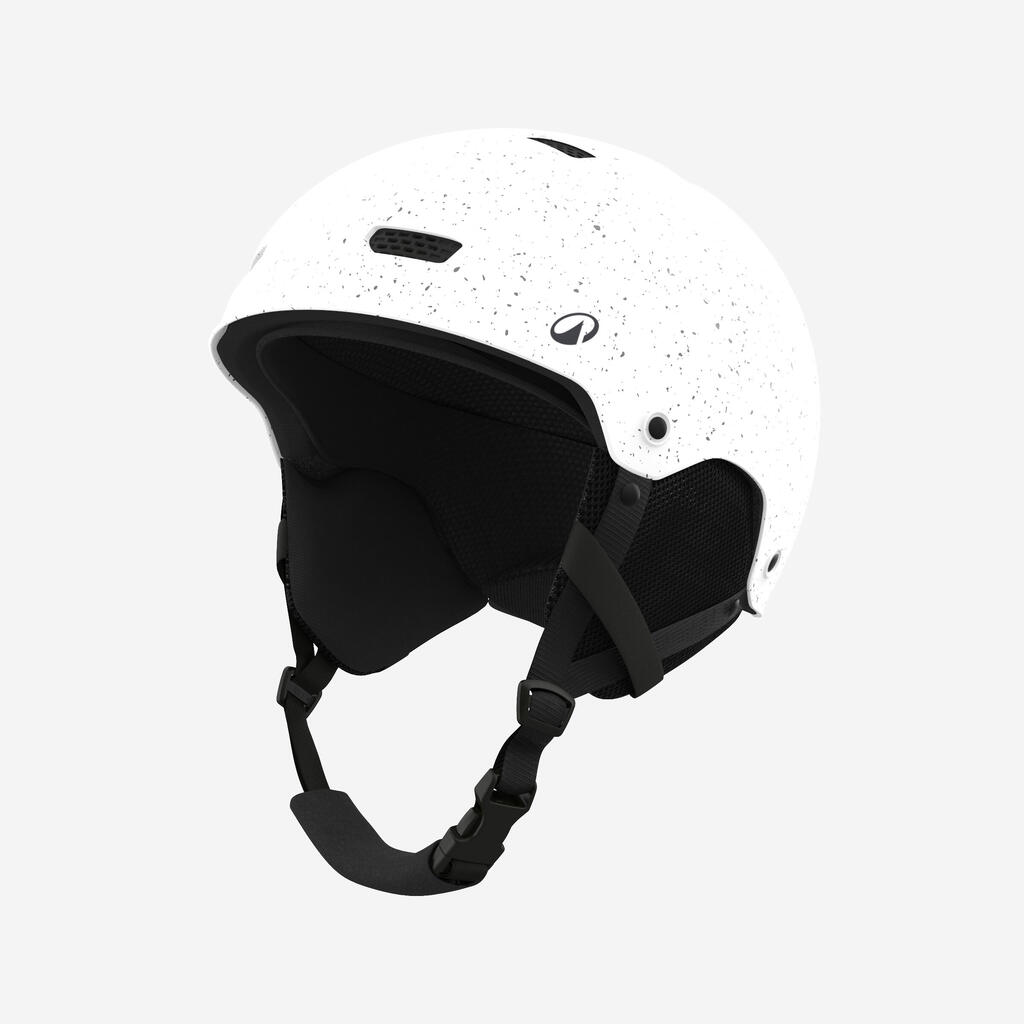
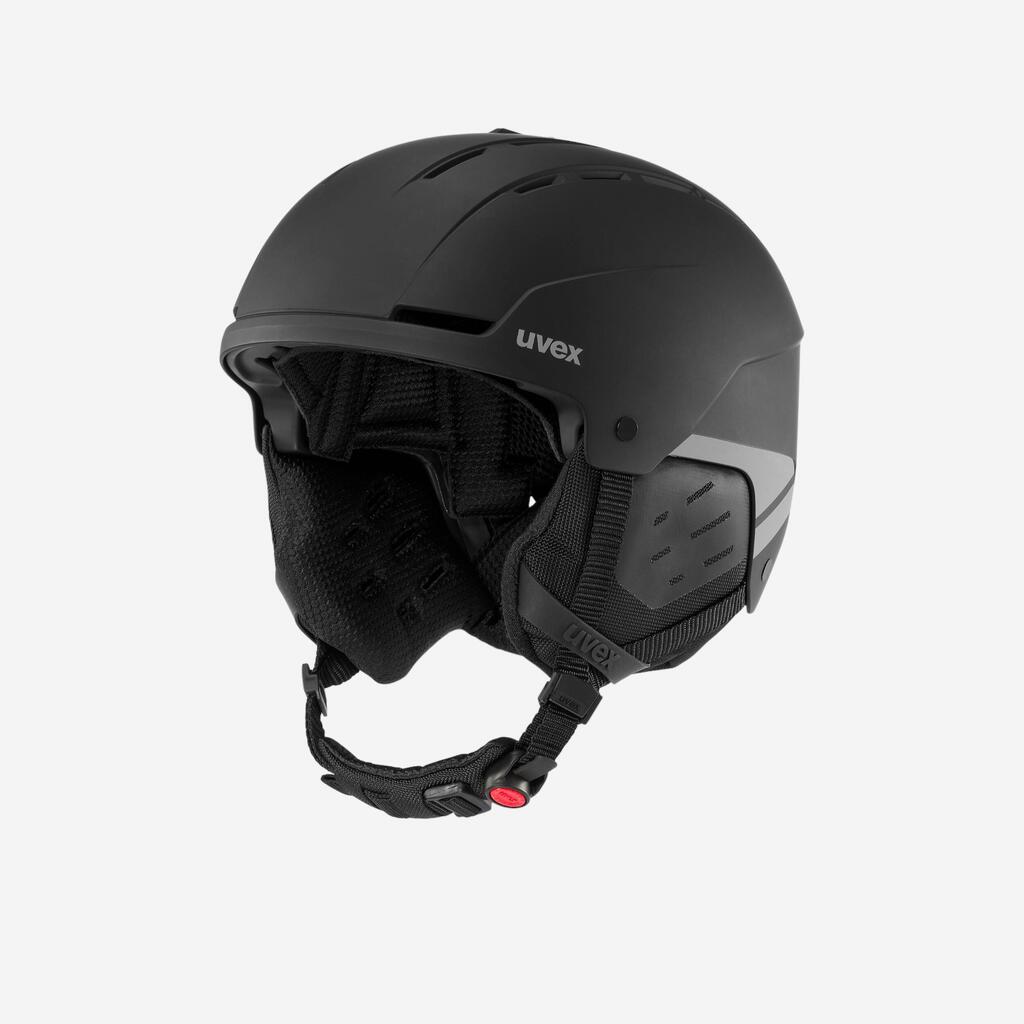
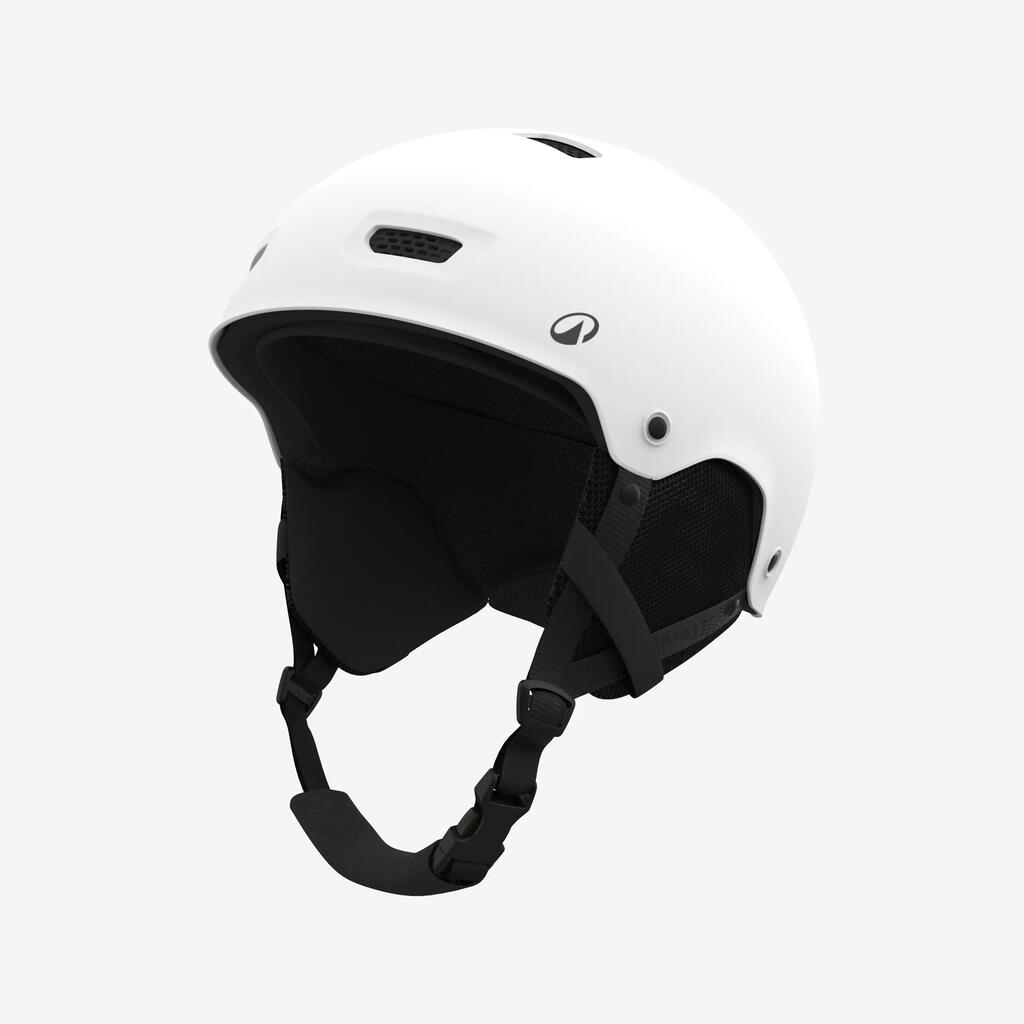
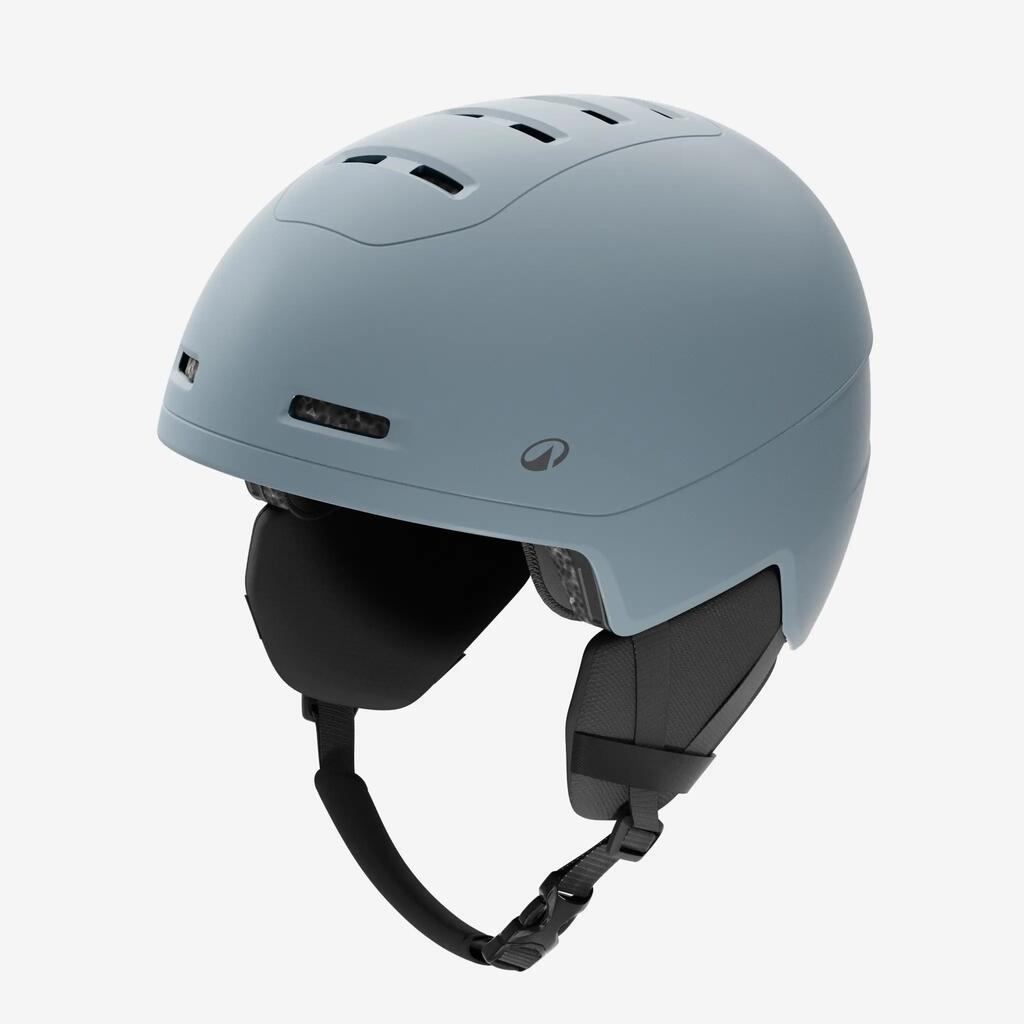
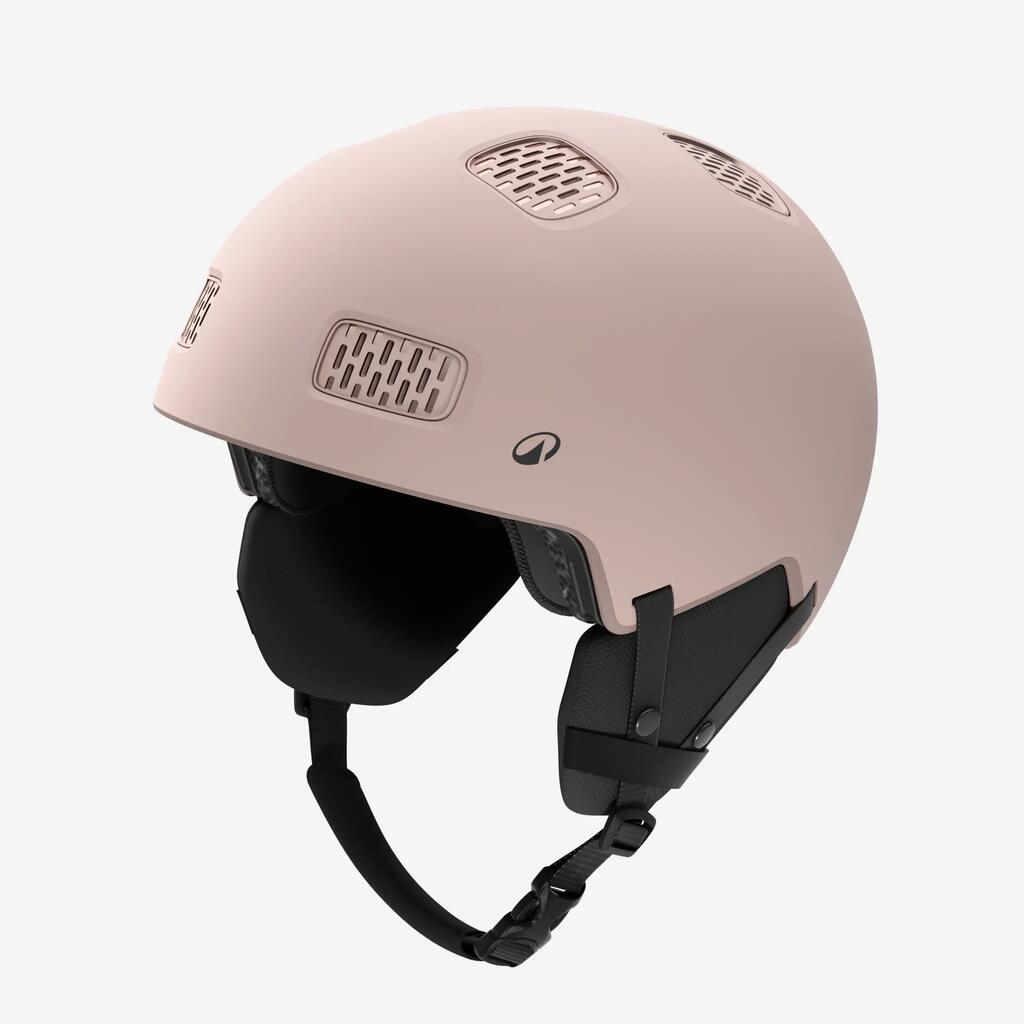
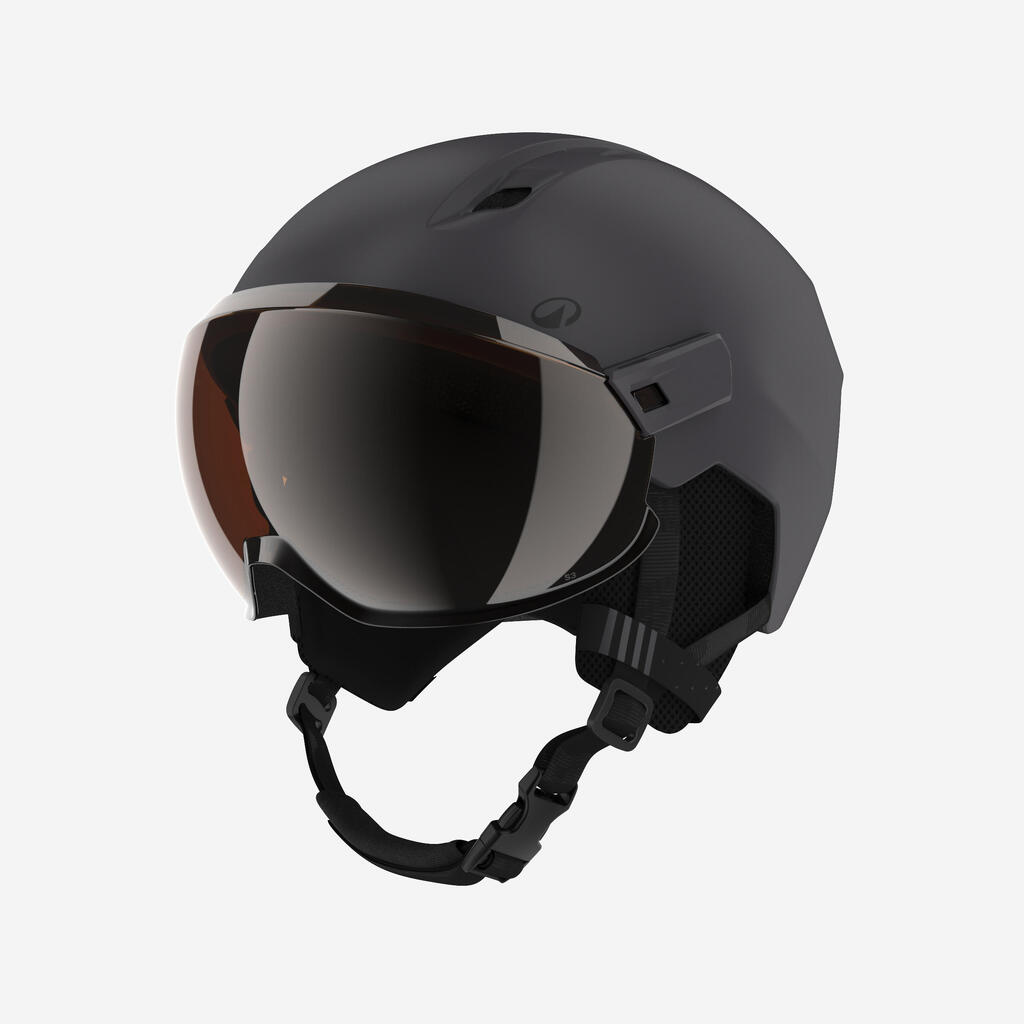
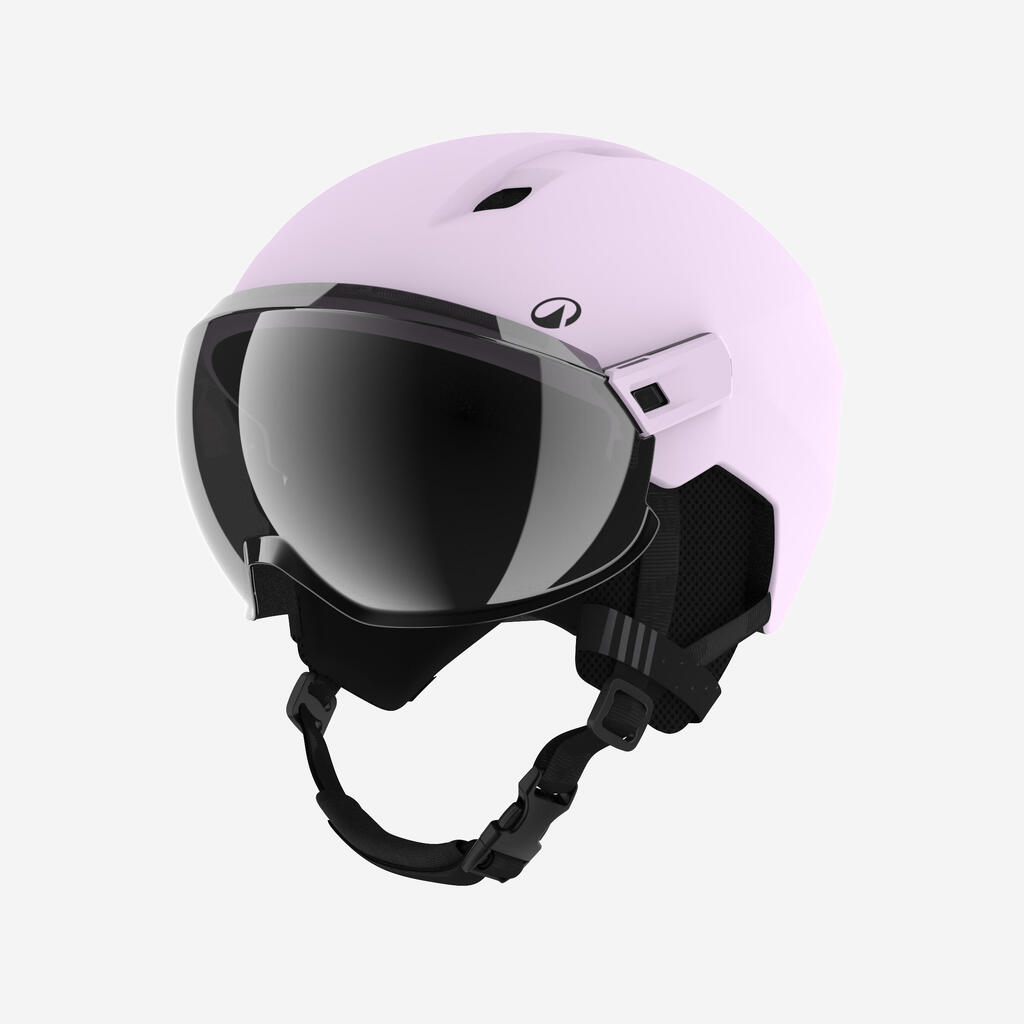
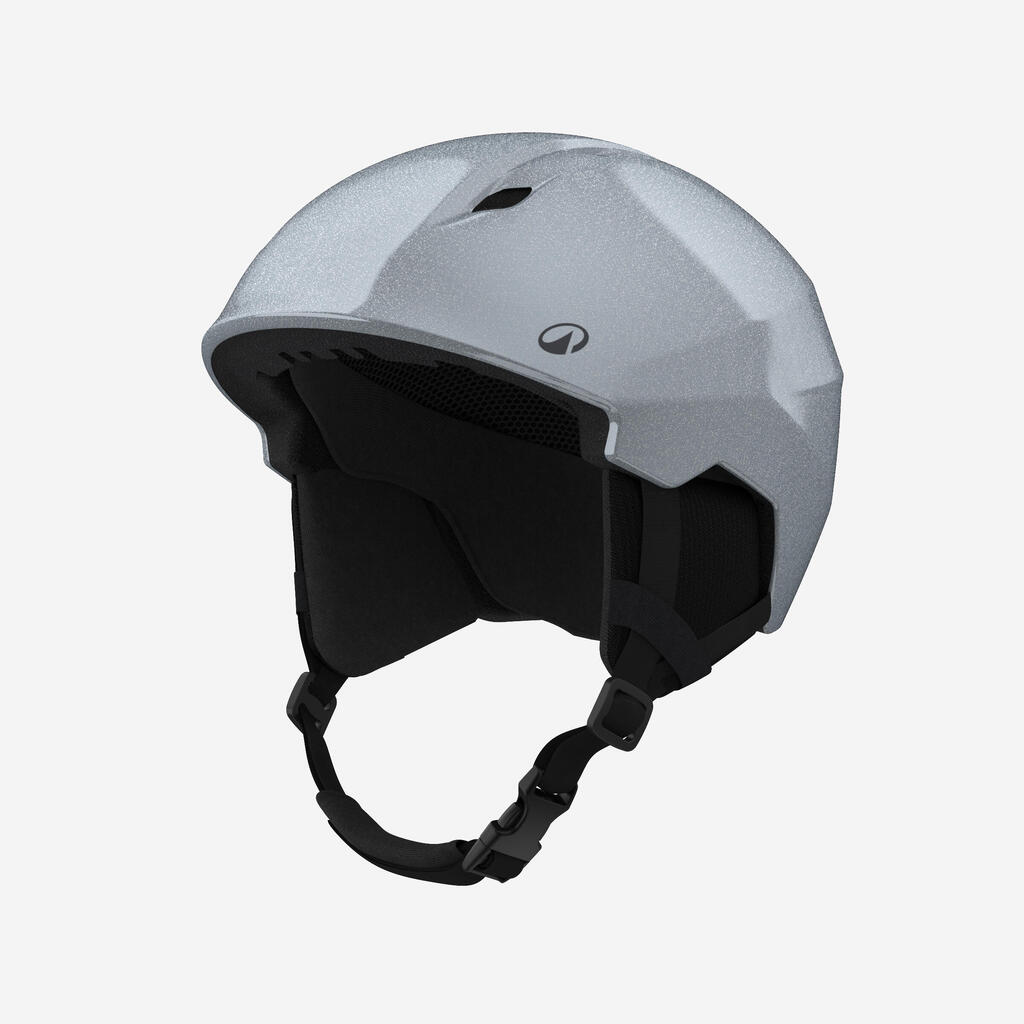
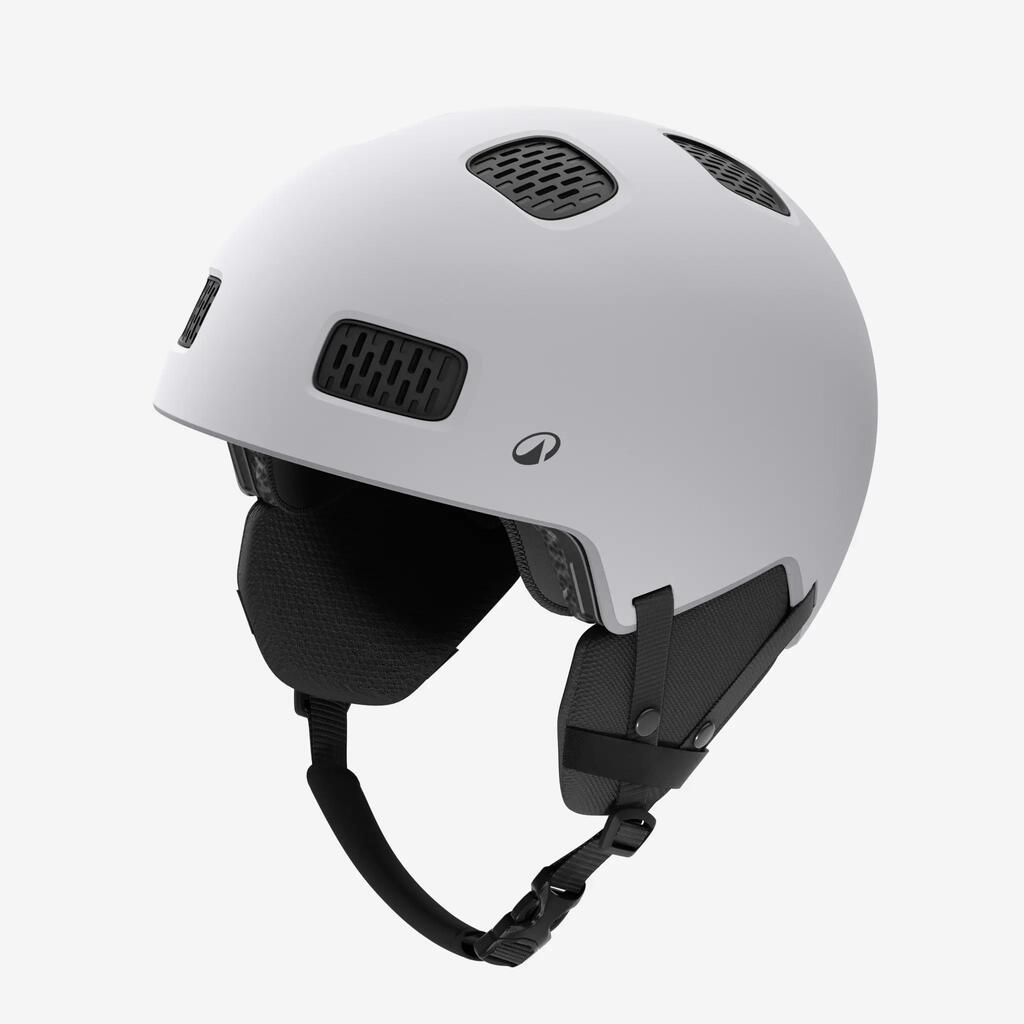
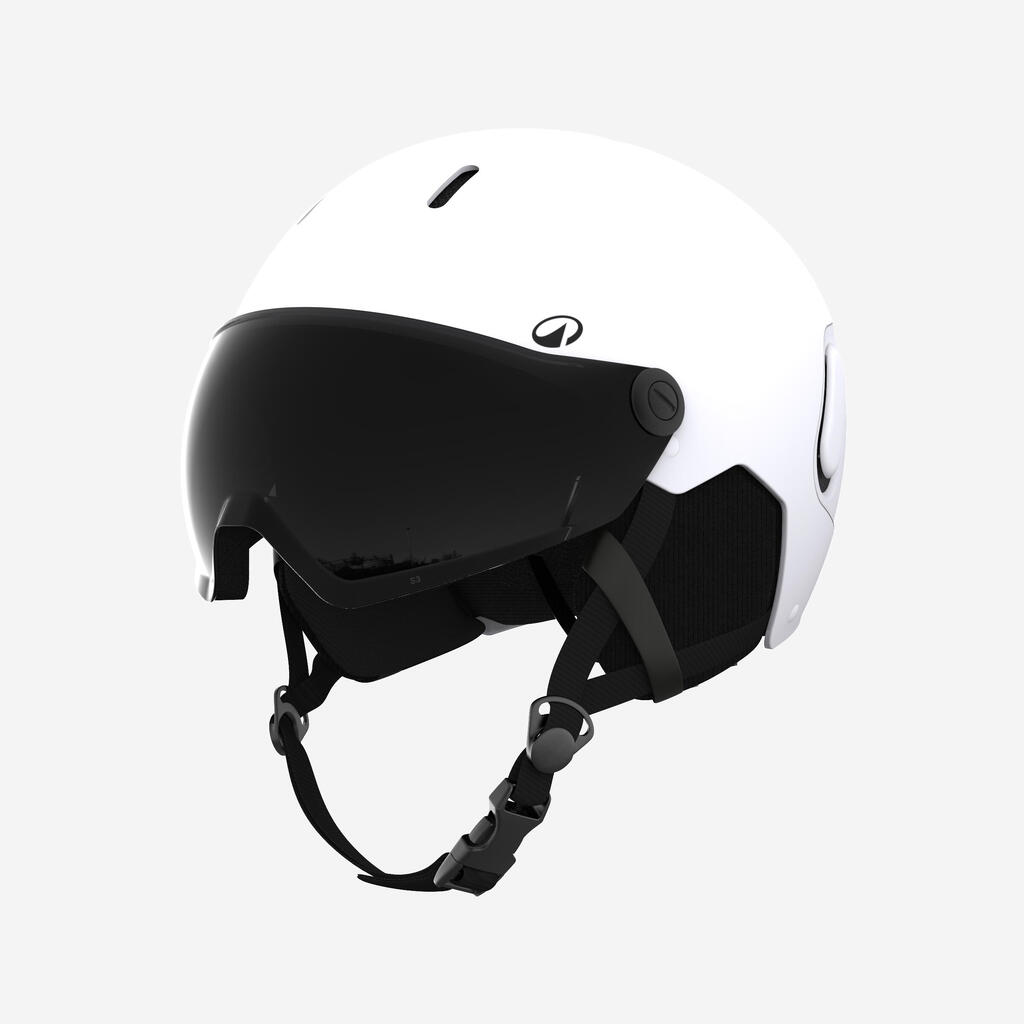
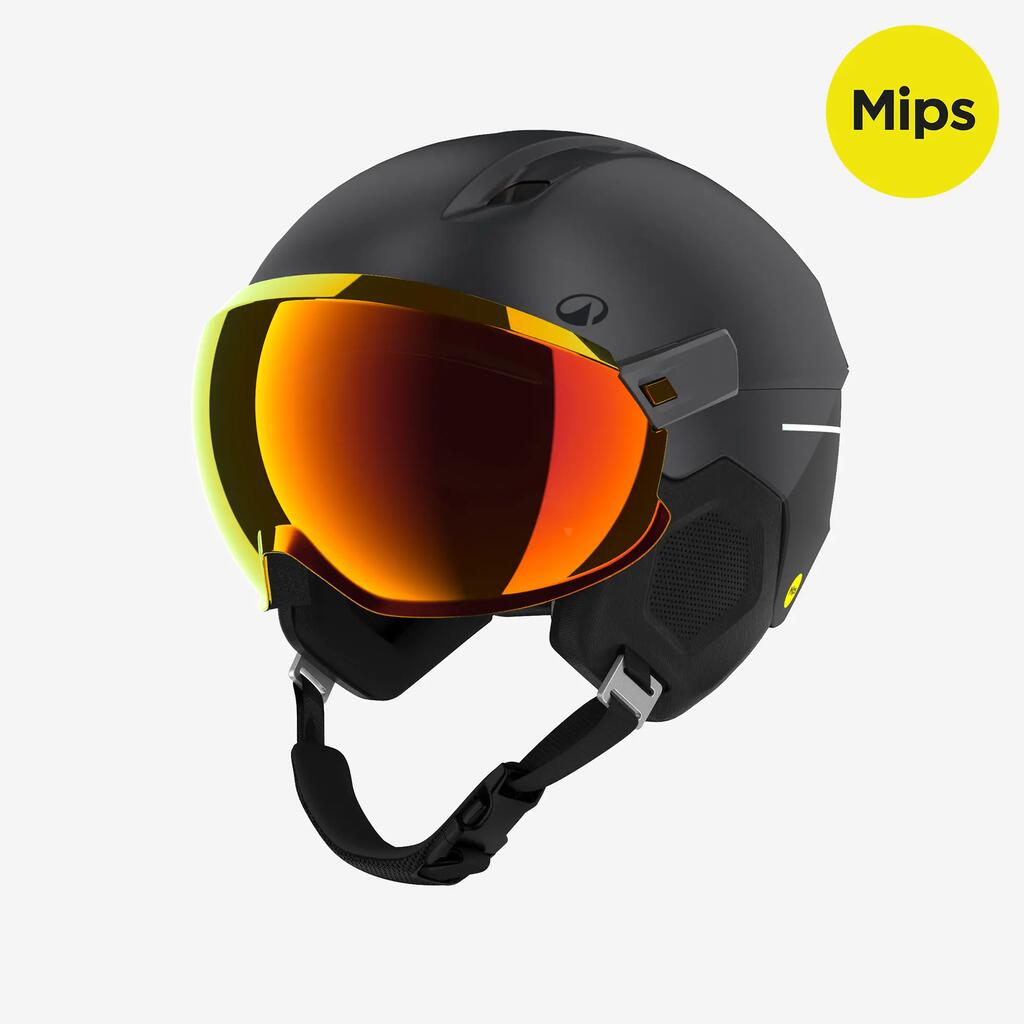
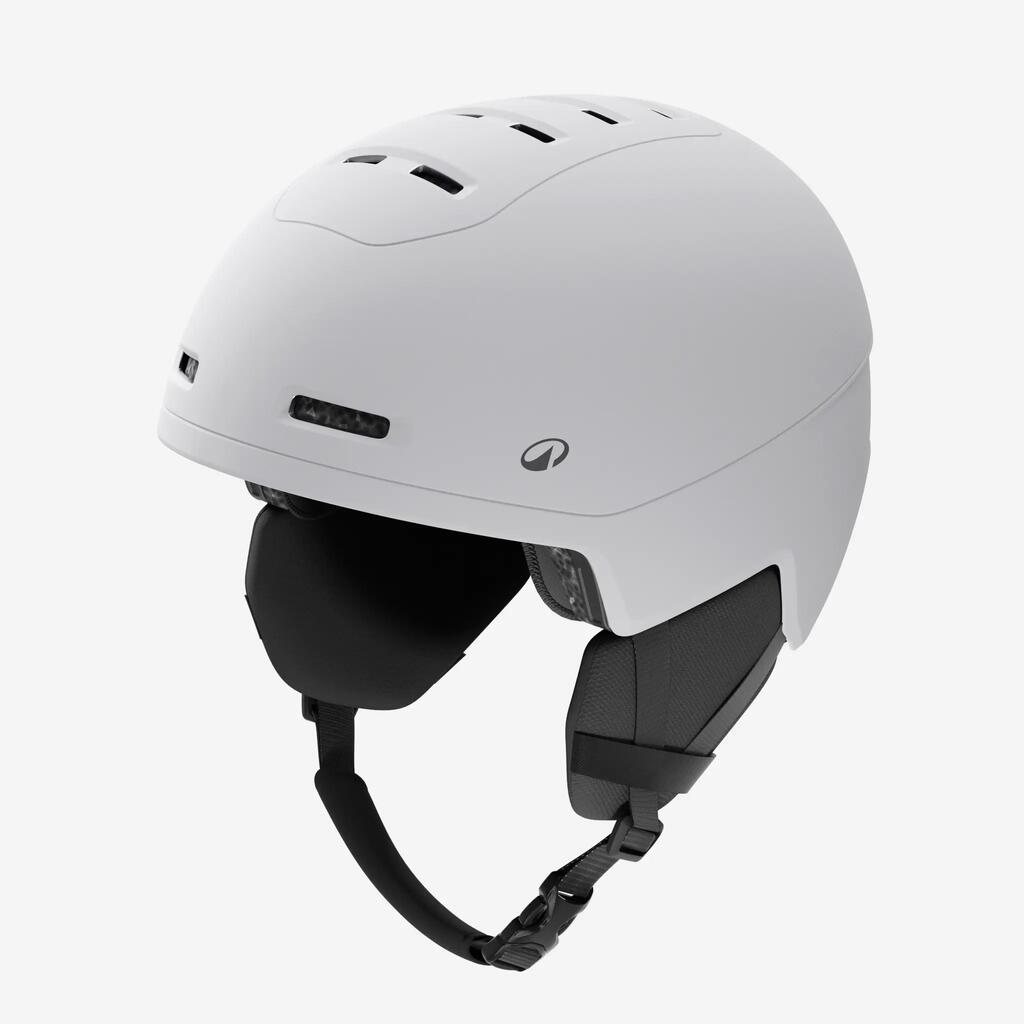
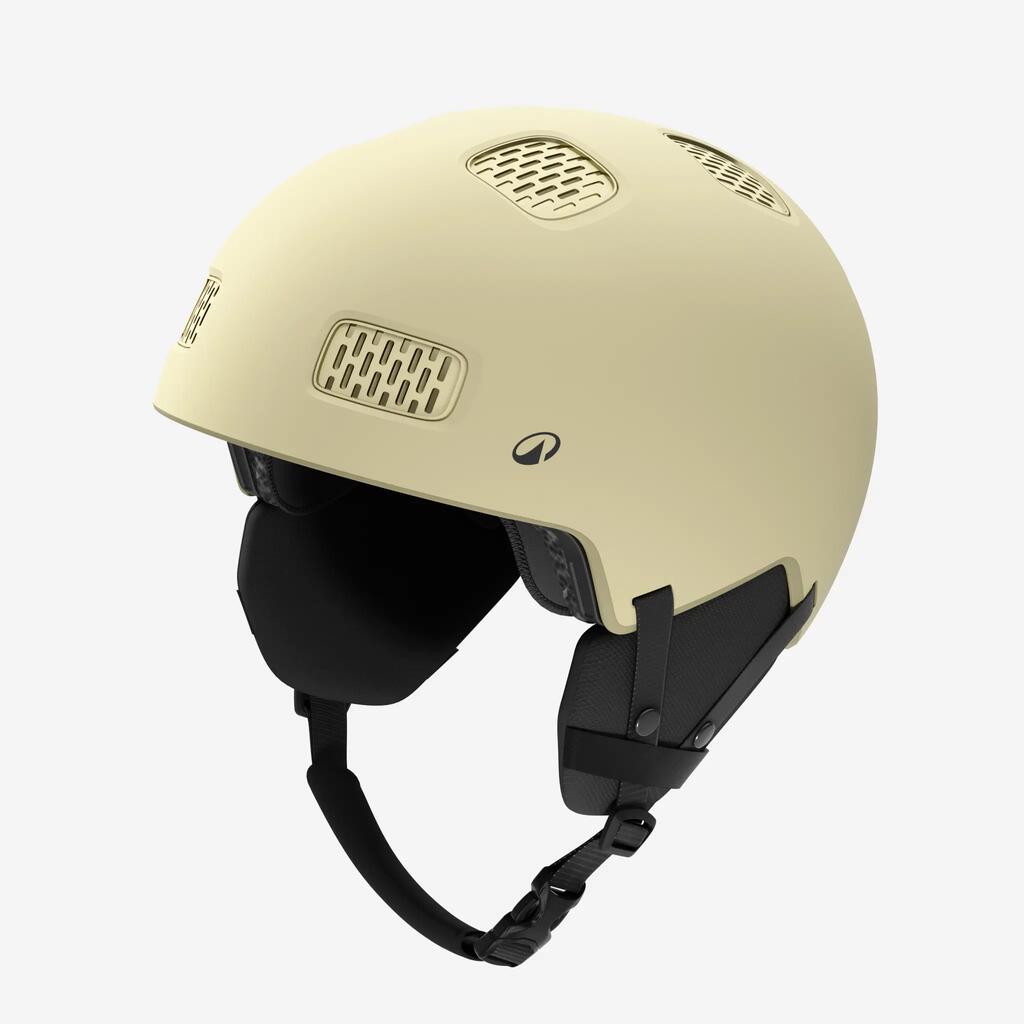
What are the features of the HRC helmet?
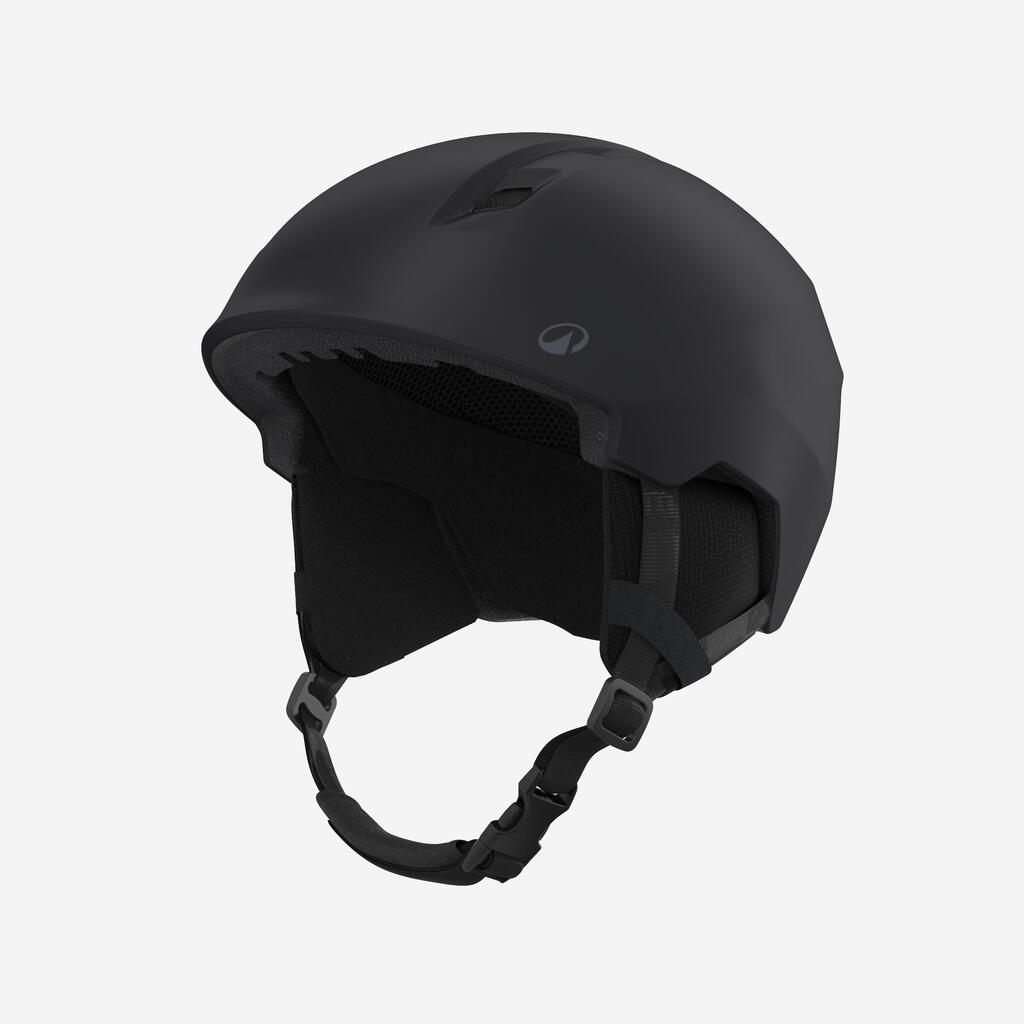
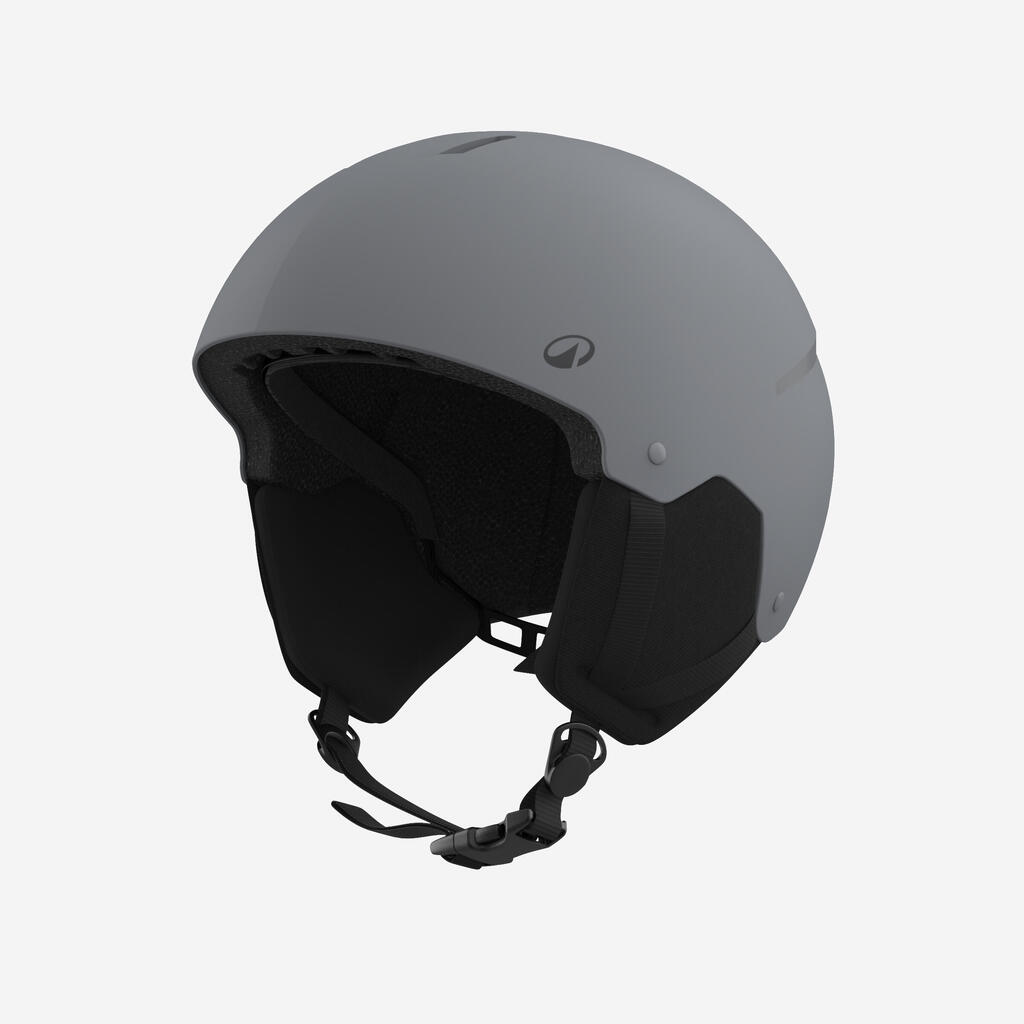
The HRC is a “rigid ear” helmet that complies with a specific standard.
This standard provides a larger coverage than a helmet that has "flexible ears”.
Its ABS construction makes it more robust and less sensitive to small everyday impacts.
Due to its design and wider coverage area, this helmet may be slightly heavier than the rest of our range. We advise against putting this on a child under the age of 10.
Is this helmet adjustable?
The tightening wheel plays a key role in ensuring that your helmet does not come off. This system enables easy and precise adjustment at any time using an easily-accessible adjustment wheel that you can even use with skiing gloves. It is comfortable in use and offers maximum safety. Turn the adjustment wheel clockwise to tighten and anti-clockwise to loosen.
How is this helmet built? What does ABS stand for?
This ski helmet features an outer shell made of ABS, injection-moulded to withstand heavy impacts. It offers high resistance to bumps and knocks. The internal EPOS skullcap absorbs impact and collision at the time of impact. We recommend changing your ski helmet at least every 5 years unless it has sustained a significant impact in the meantime.
What does EN 1077 Class A mean?
Standard EN 1077:2007 is a European standard that applies to helmets used for cranial protection during downhill skiing and snowboarding. This standard tests the ability to absorb shocks and resistance to penetration. There are 2 categories:
- Class A: protects the top and back of the head, as well as the ears and the side of the head.
- Class B: Protects the top and back of the head but does not cover the ears.
How do I choose the right size helmet?
A helmet that doesn’t fit properly won’t protect you: it is essential to check that the size is right before you hit the slopes. This is an easy thing to do:
* Measure your head’s circumference in centimetres (around the middle of the forehead and just above the ears).
* Choose the size that covers this measurement.
* Your helmet should not move when you shake your head. You should be able to fit two fingers between the chin strap and your skin.
How do I try on the helmet?
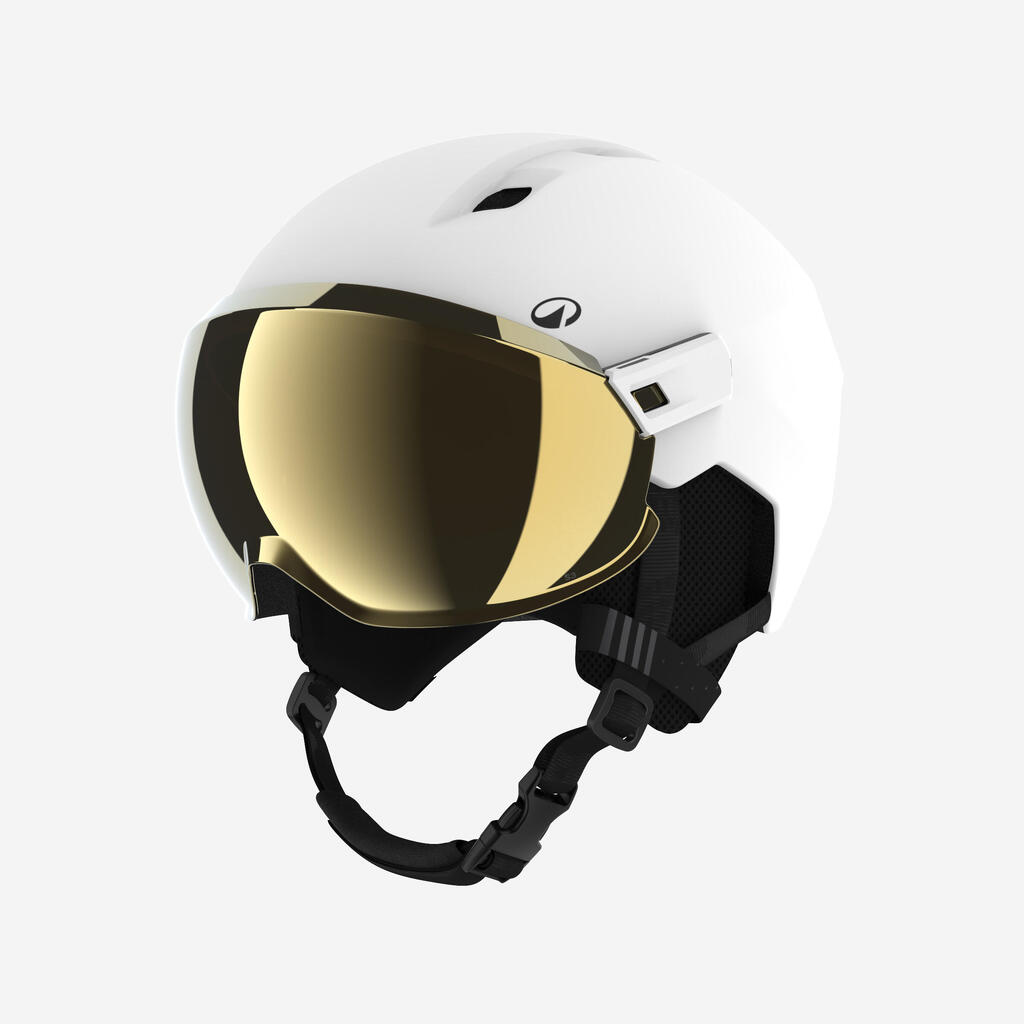
Take plenty of time to try it on properly. You shouldn't feel any areas of discomfort. If you do then try another model. Always try your helmet with your mask, because not all helmets go with all masks. A helmet is compatible with a ski mask when there is no air space between the top of the mask and the helmet.
Any further safety tips?
Avoid putting a thick hat under your helmet as this will move the helmet away from your head and you won't be as well protected.
Opt instead for a very thin beanie or balaclava that does not affect your safety. A helmet has good insulating properties. There is often no point in adding anything else. Also, avoid adding a camera to your helmet as this can affect safety. The standard does not take into account any elements added to the helmet.
What are the return conditions?
(specific product: personal protection equipment)
Make sure this product is right for you.
Otherwise, you can return it in accordance with our terms and conditions, i.e. with the instructions, labels and, if applicable, the original packaging.