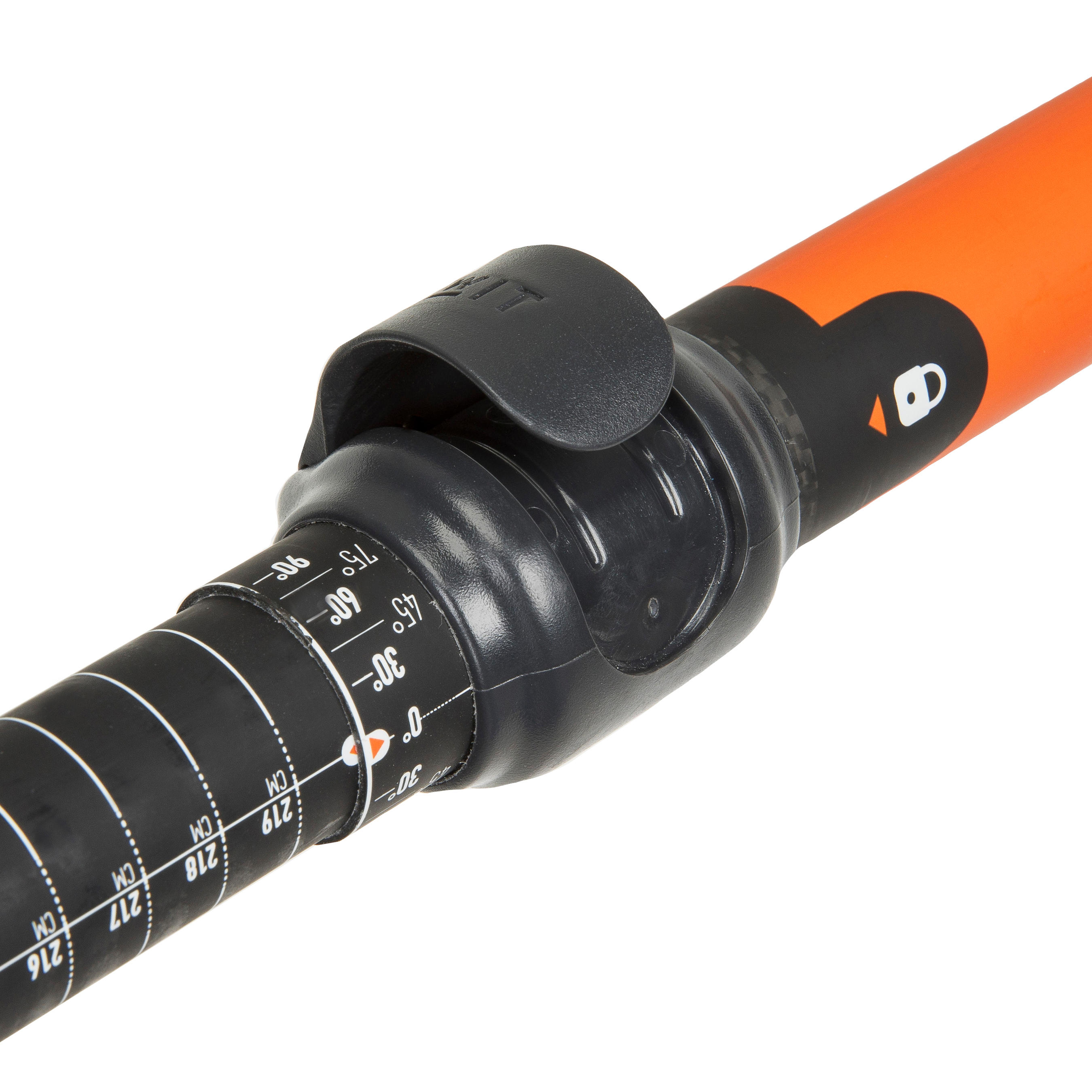
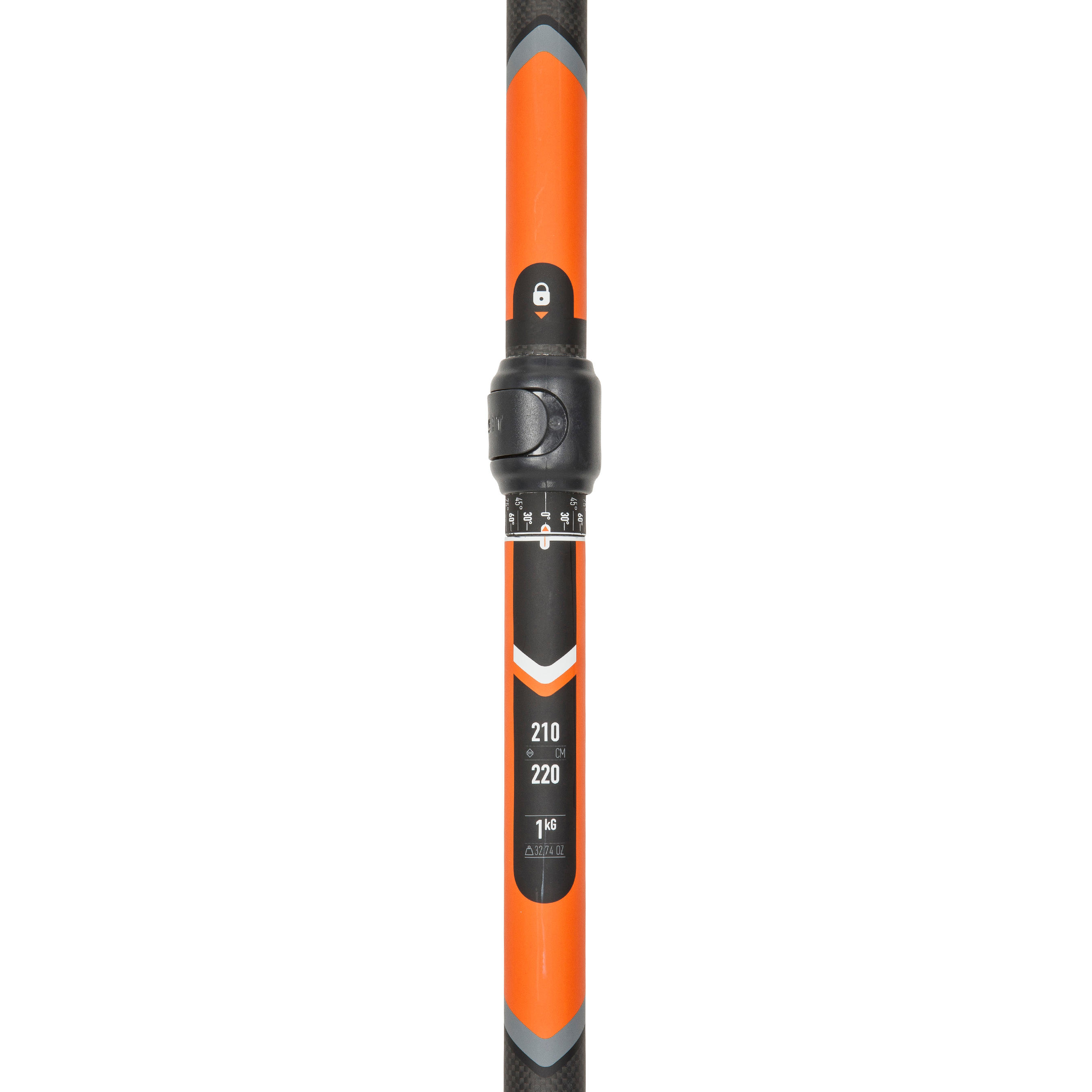
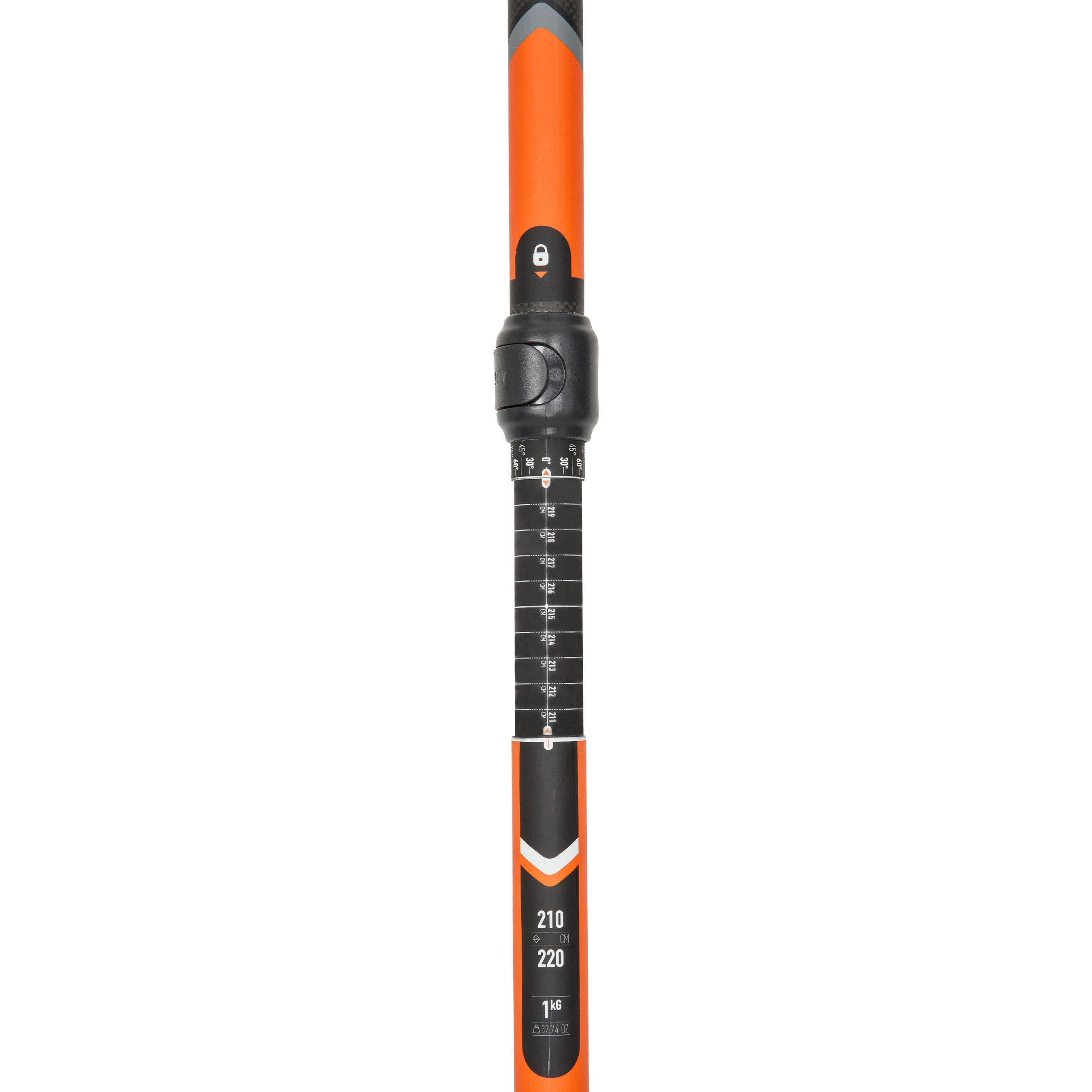
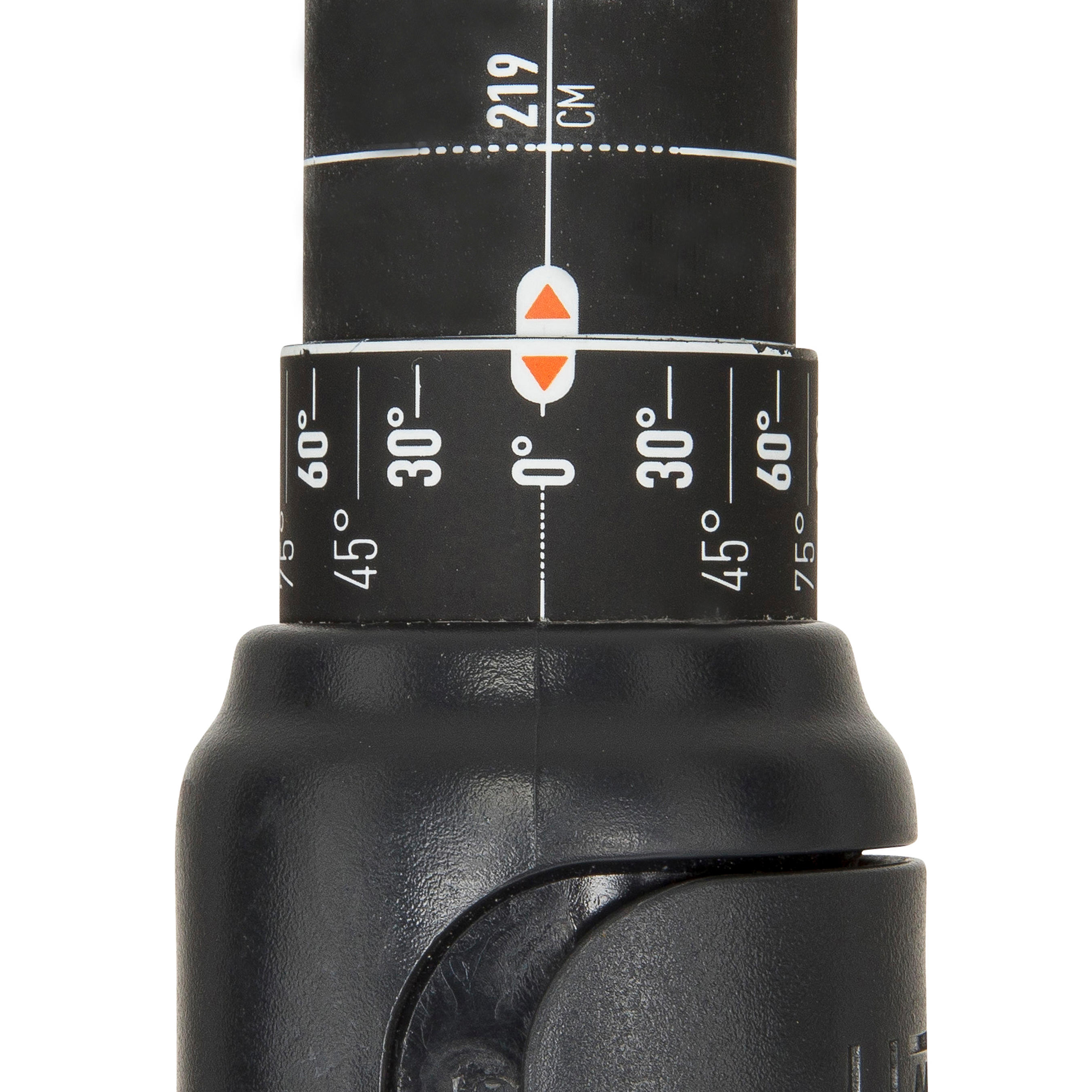
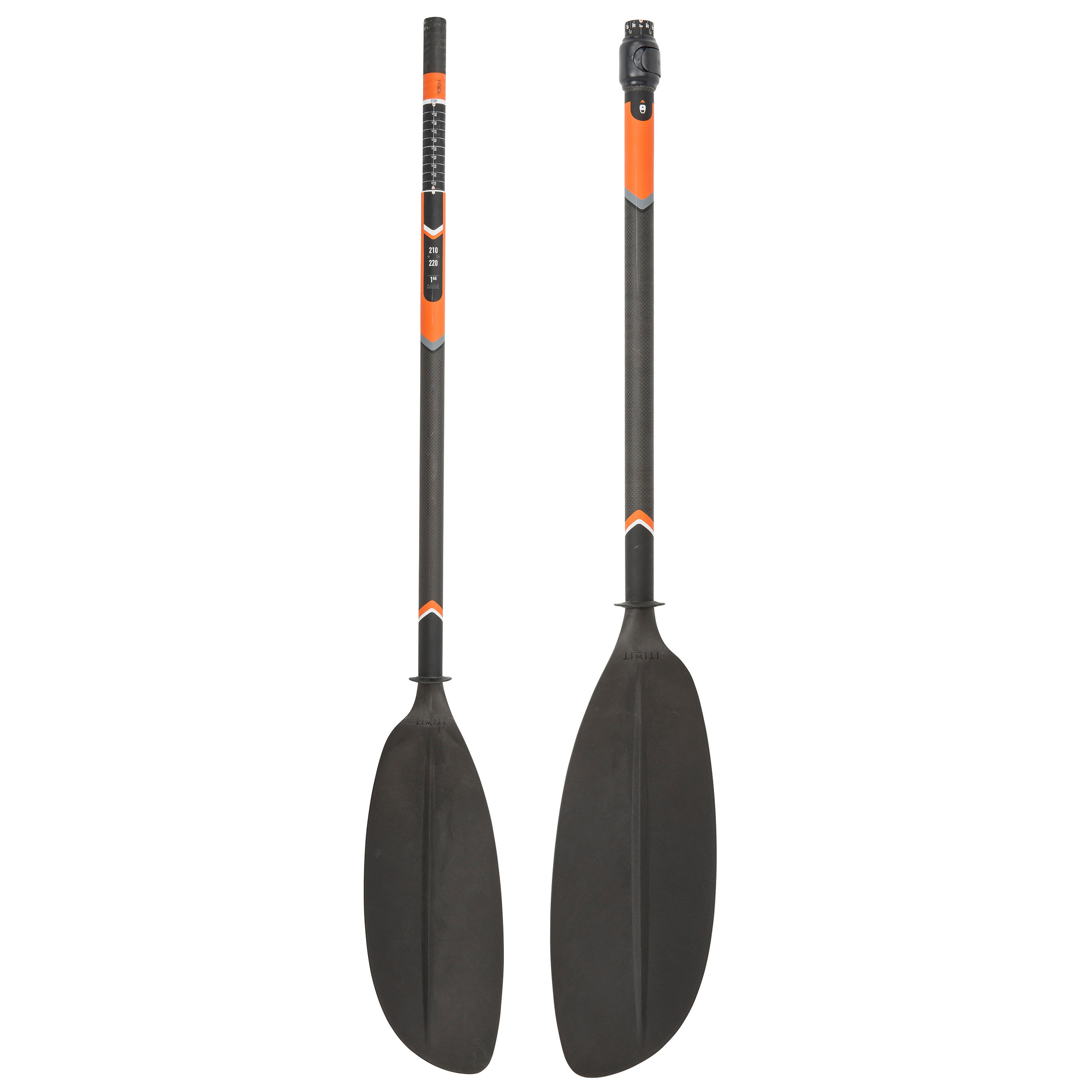
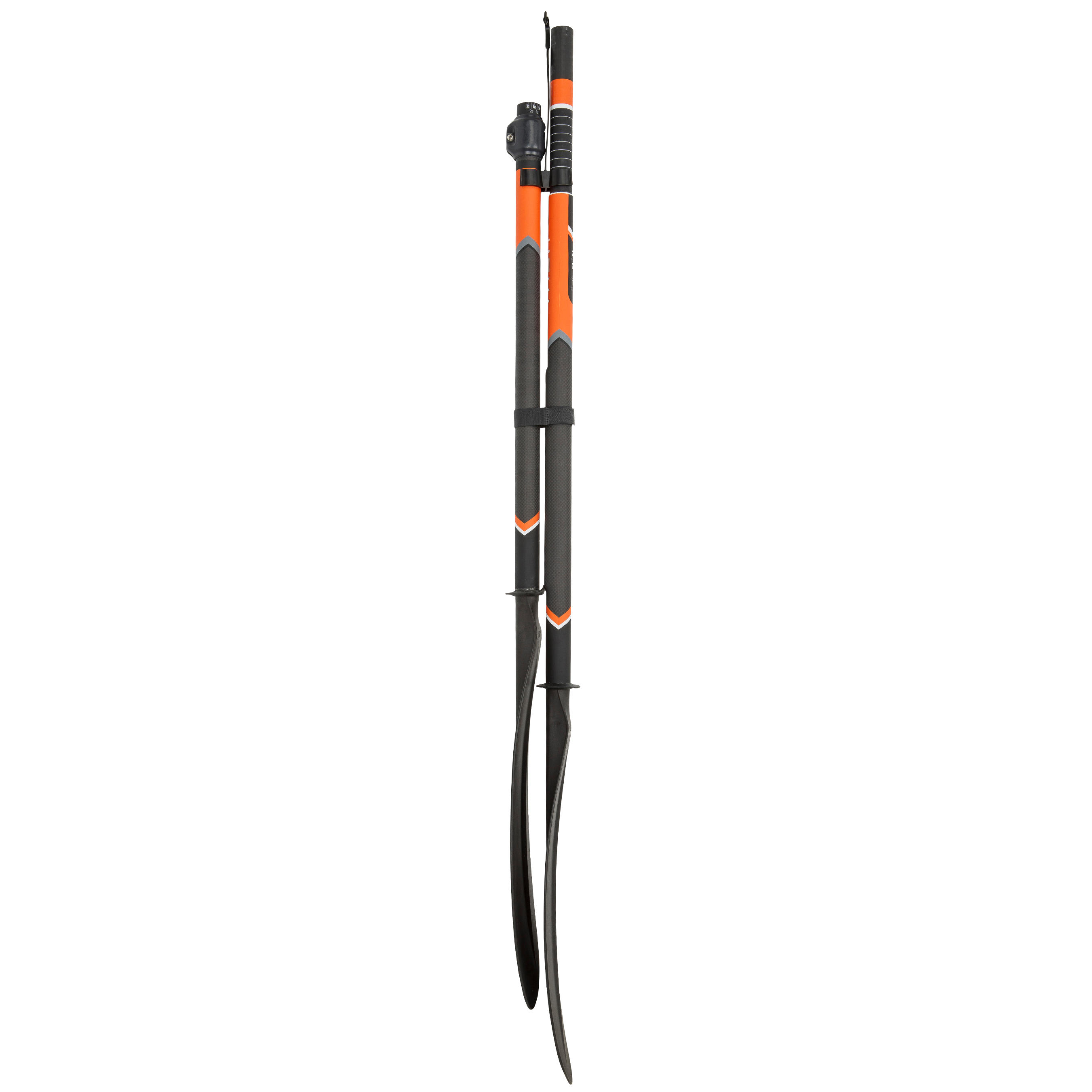
How to adjust the angle of your paddle
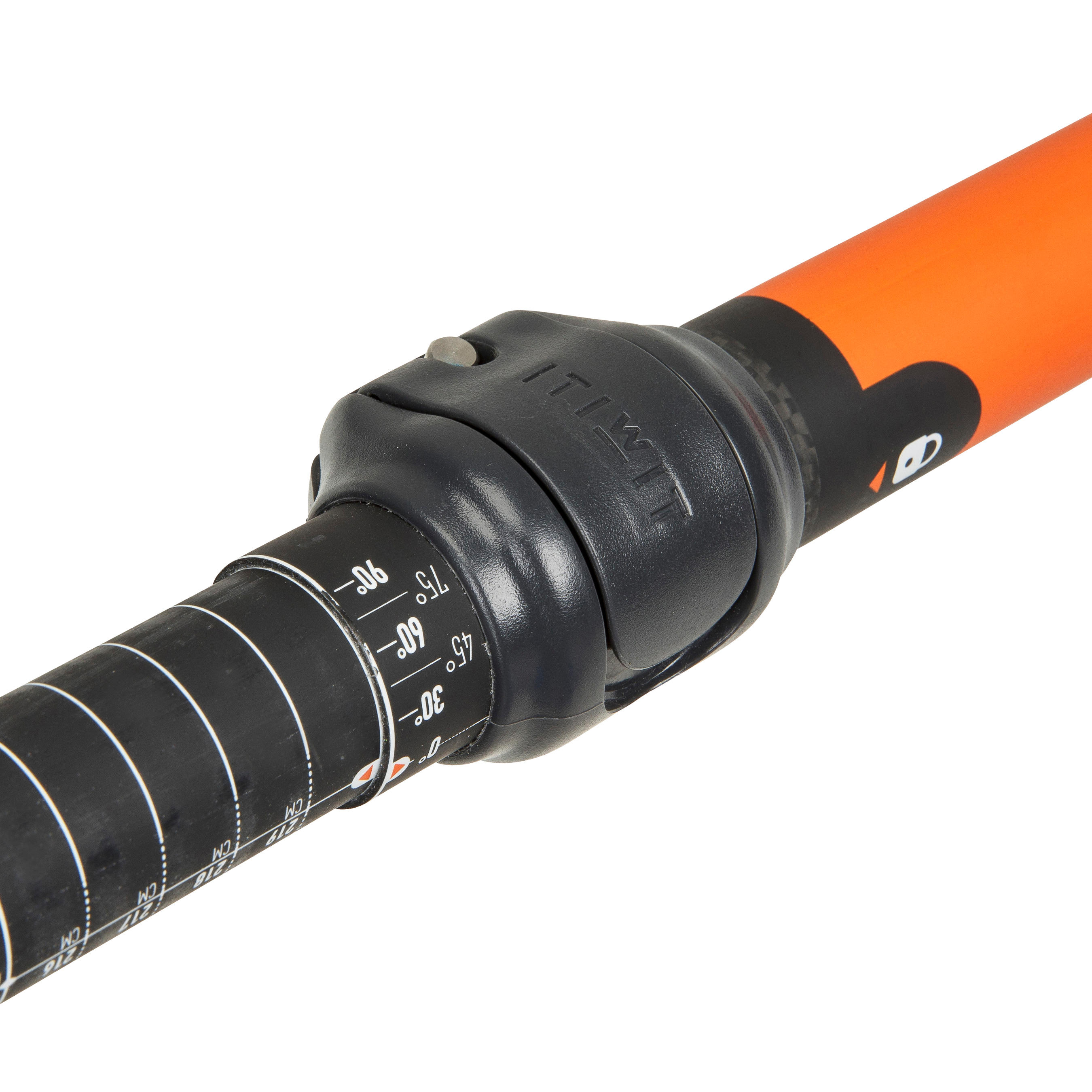
The adjustments depend on the kayaker, the environment, and the vessel:
Between 0° and 45°, for whitewater, where you want to reduce the time taken for a technique as reactive as possible.
Between 45° and 90°, for touring, where you want to reduce catching in the wind for better effort management.
If you have any doubts, listen to how it feels when paddling…
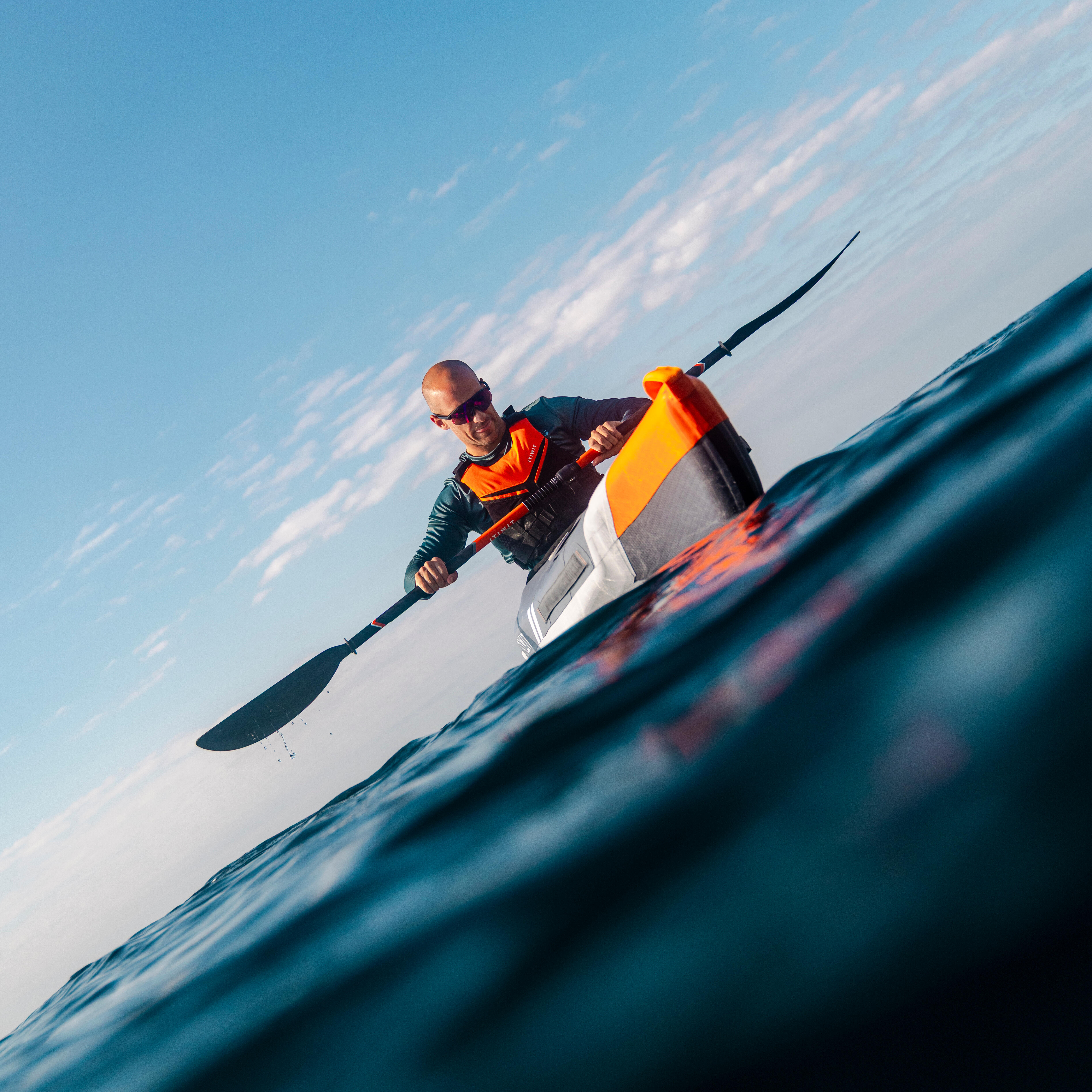
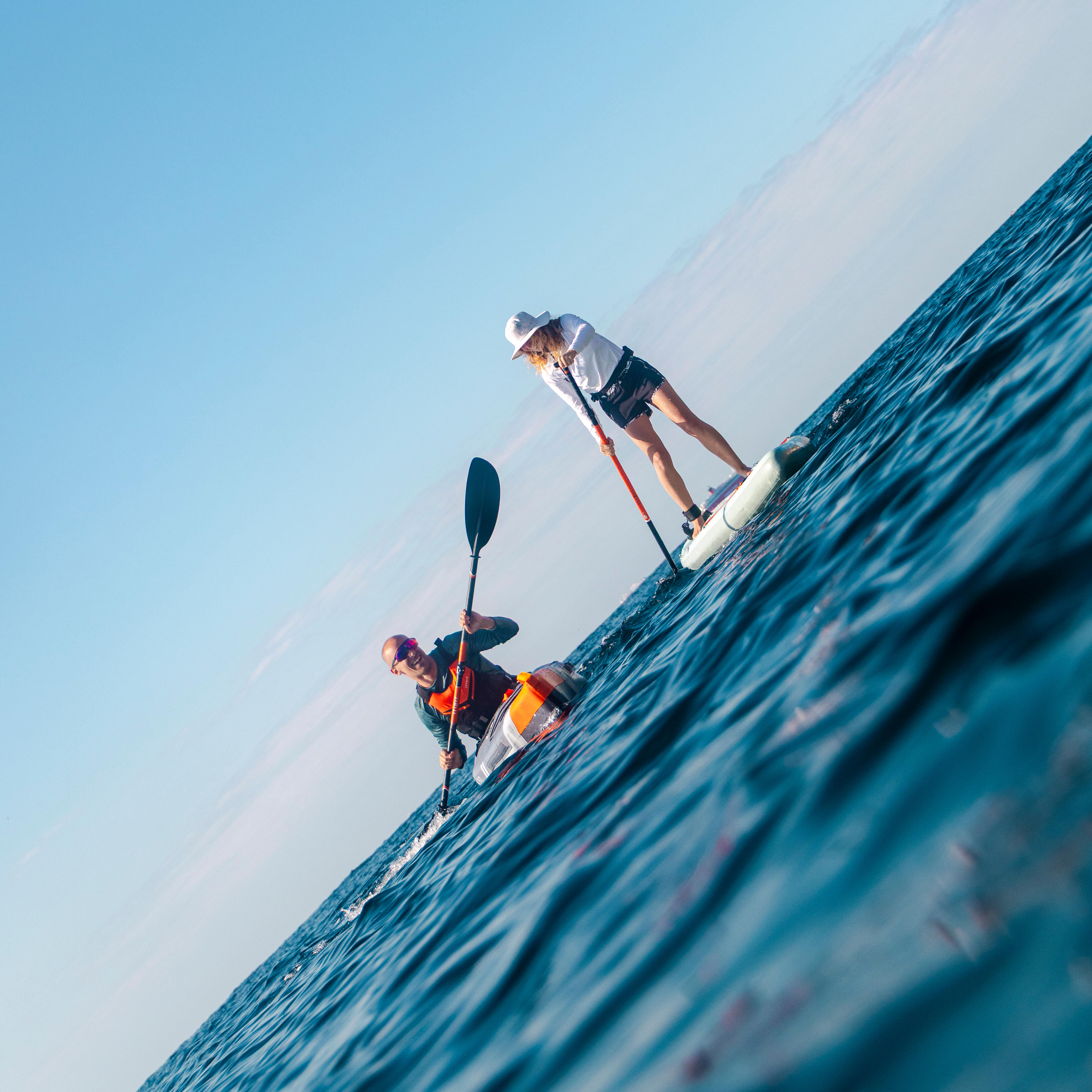
How to paddle
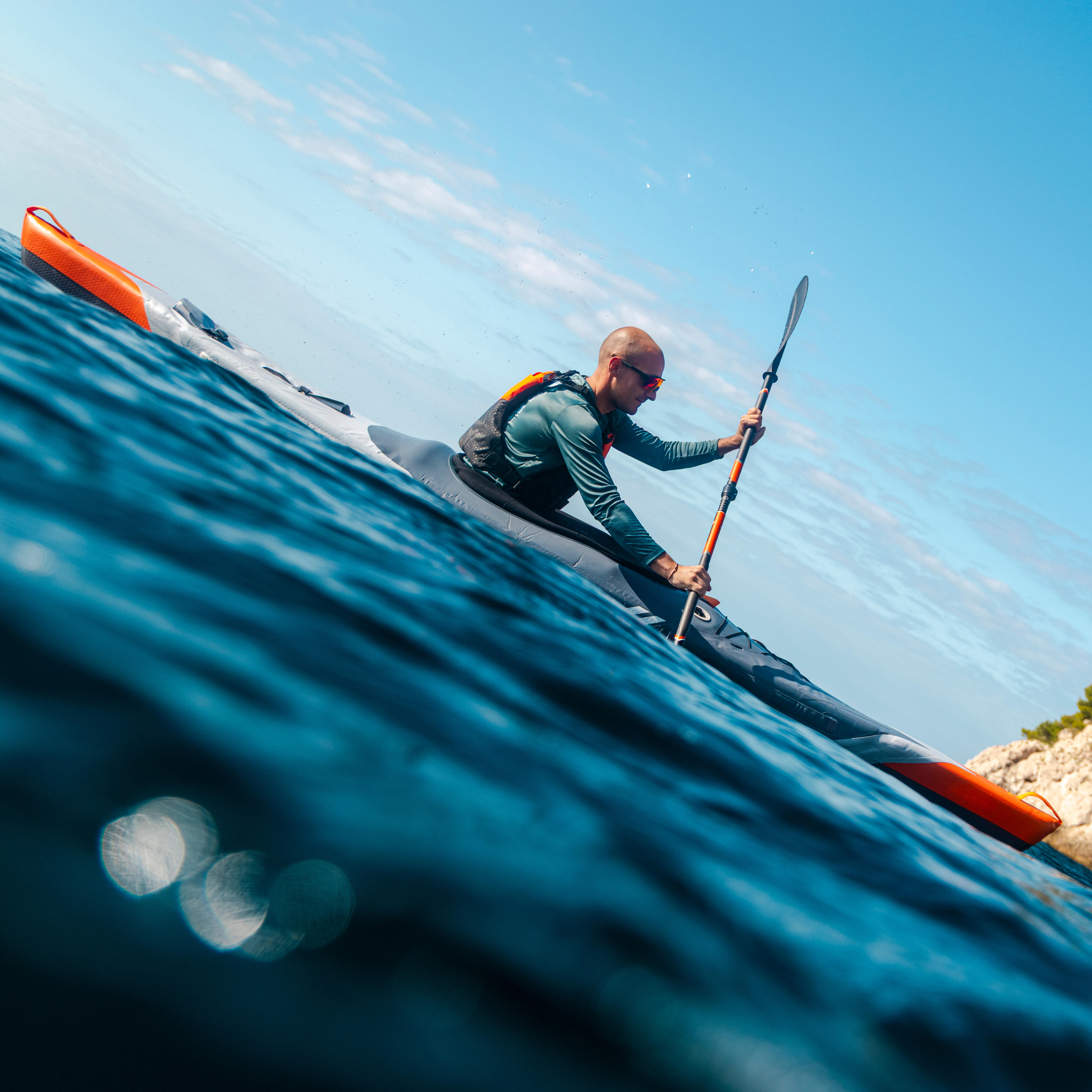
Low hands, horizontal, or low angle:
All of these terms mean the same thing. Your paddle is on the thin side and is long; When touring, you'll be looking for duration rather than strength.
This technique means you can manage your exertion and limit fatigue
High hands, vertical or high angle:
Your paddle is more vertical and short, it's more intended for use in whitewater or competitions.
This more vertical technique is more physical and requires more energy
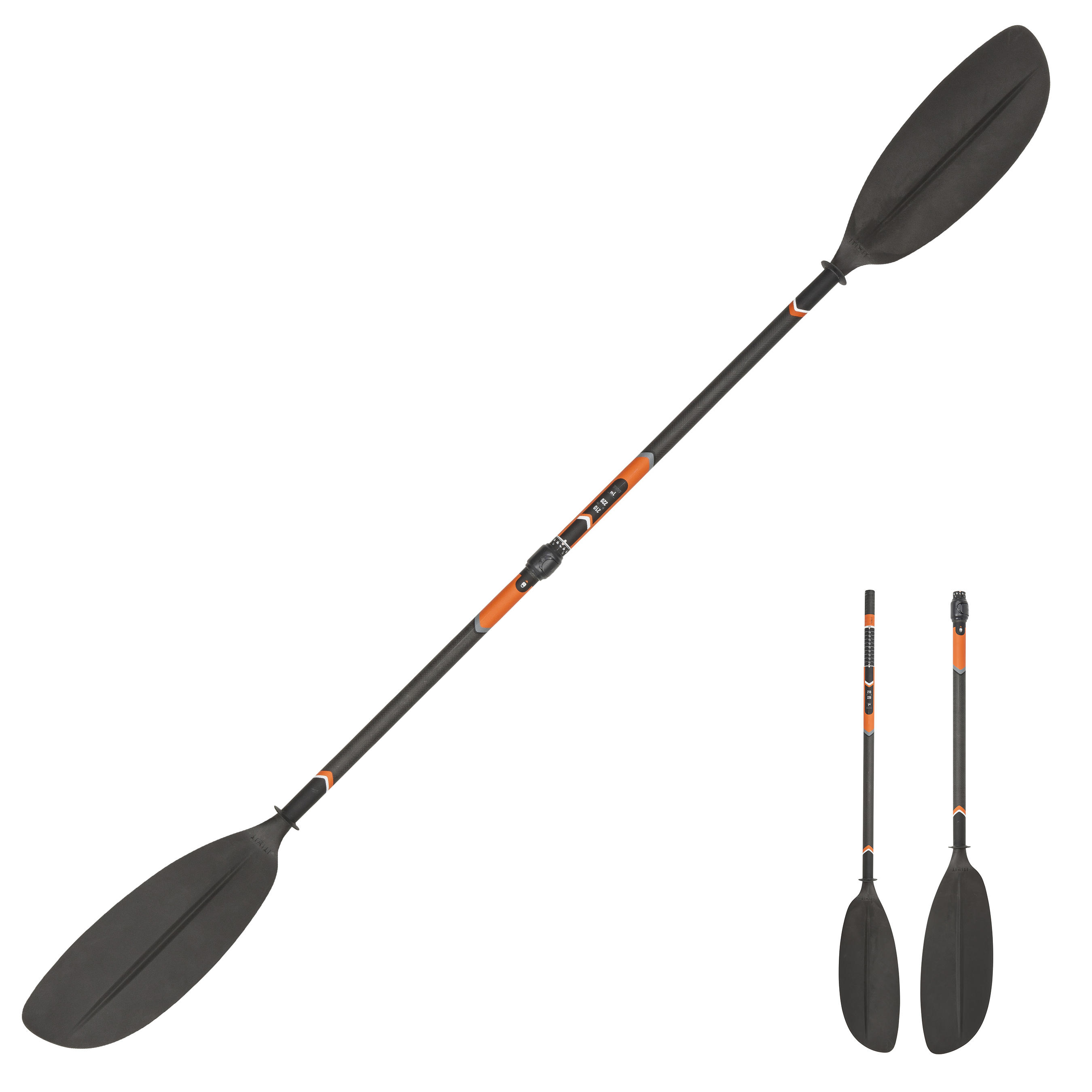
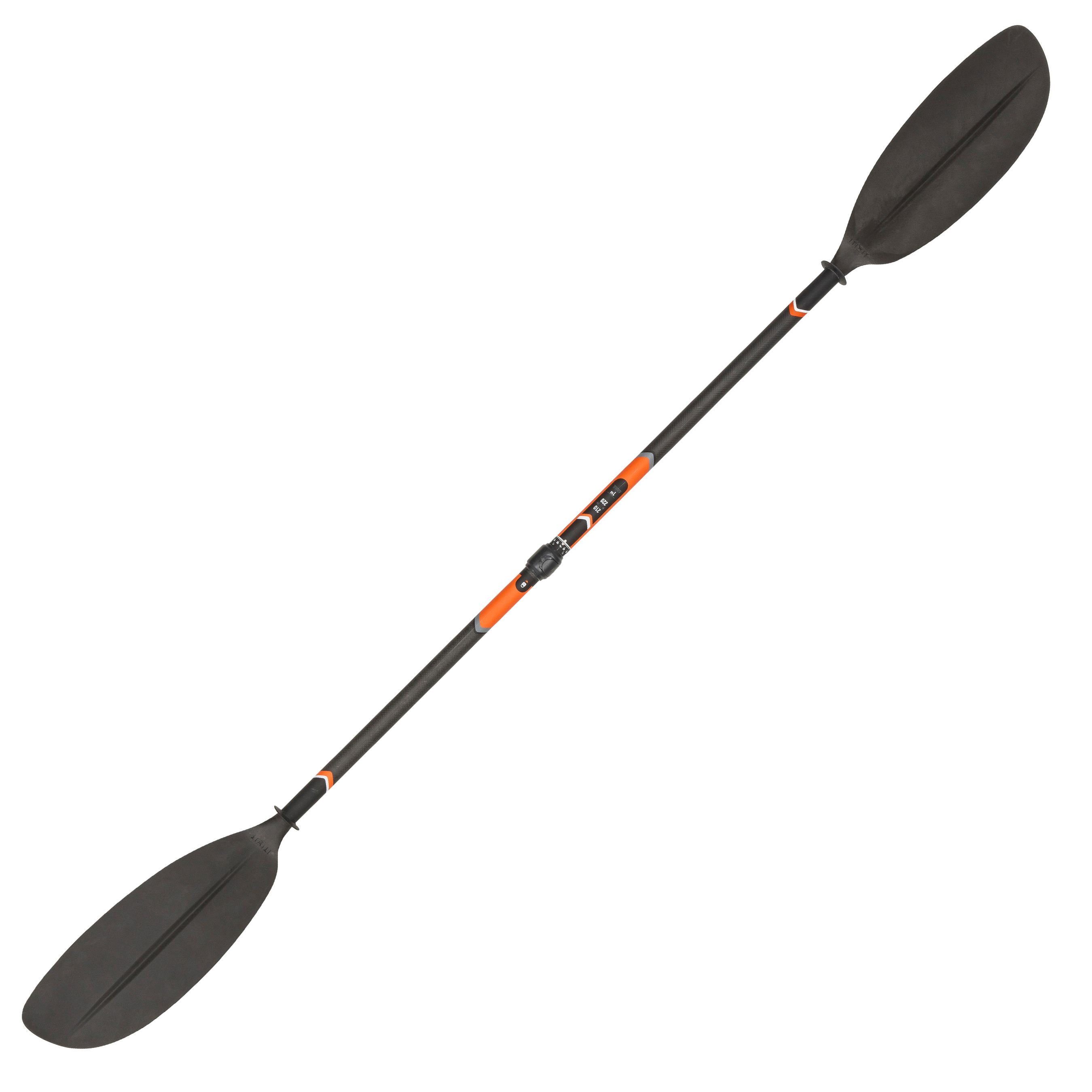
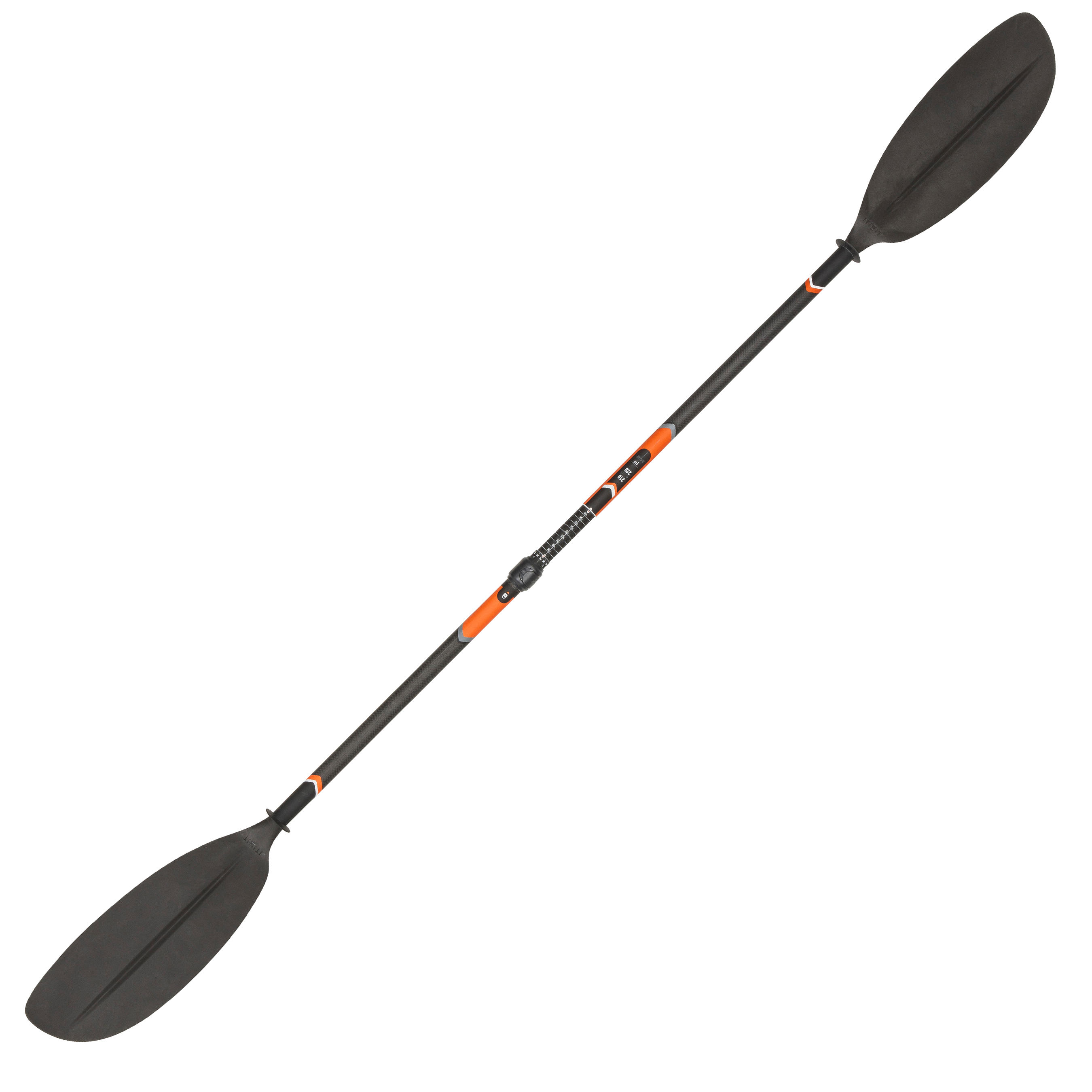
Why choose the X500 kayak paddle?
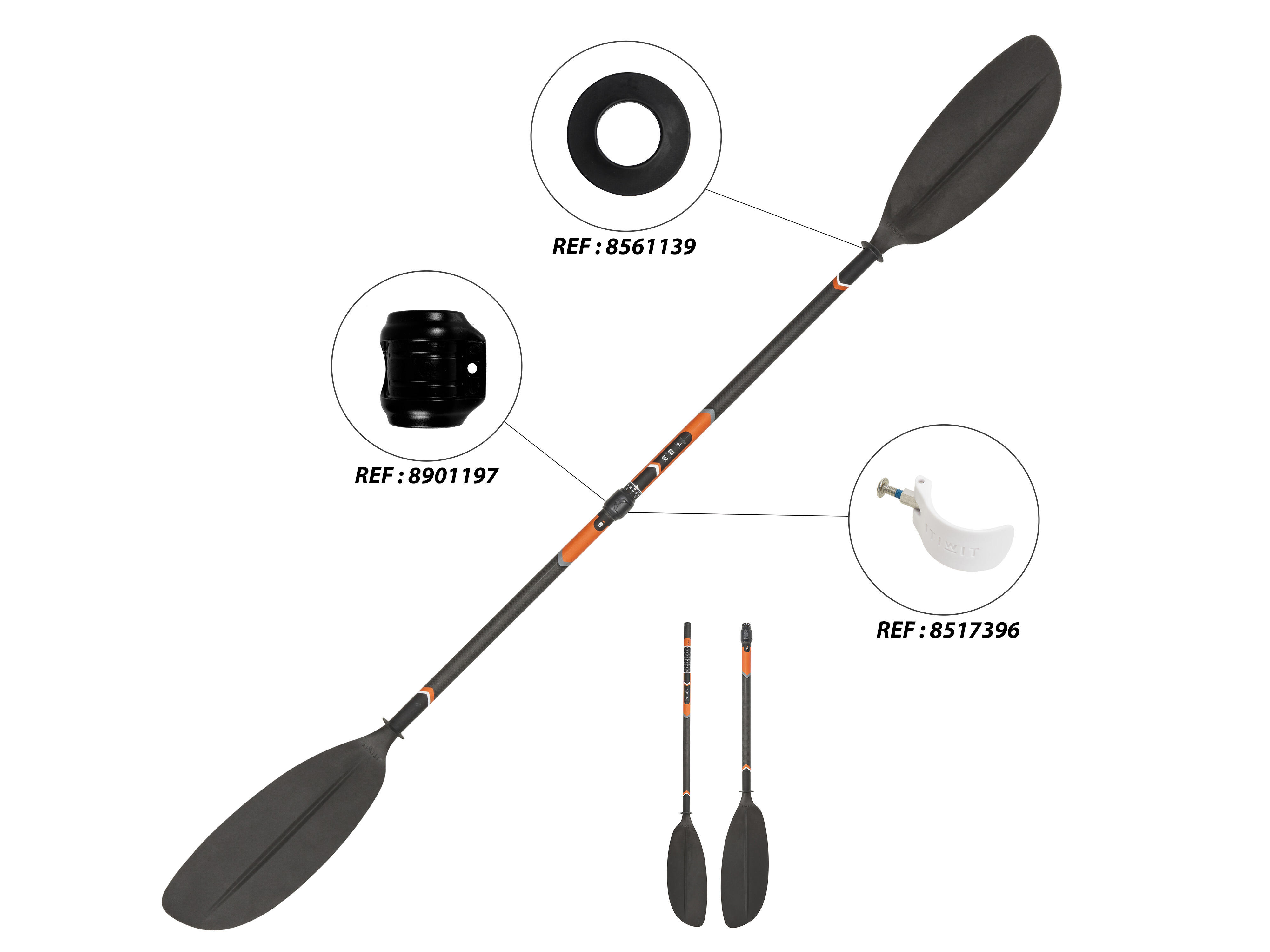
Construction:
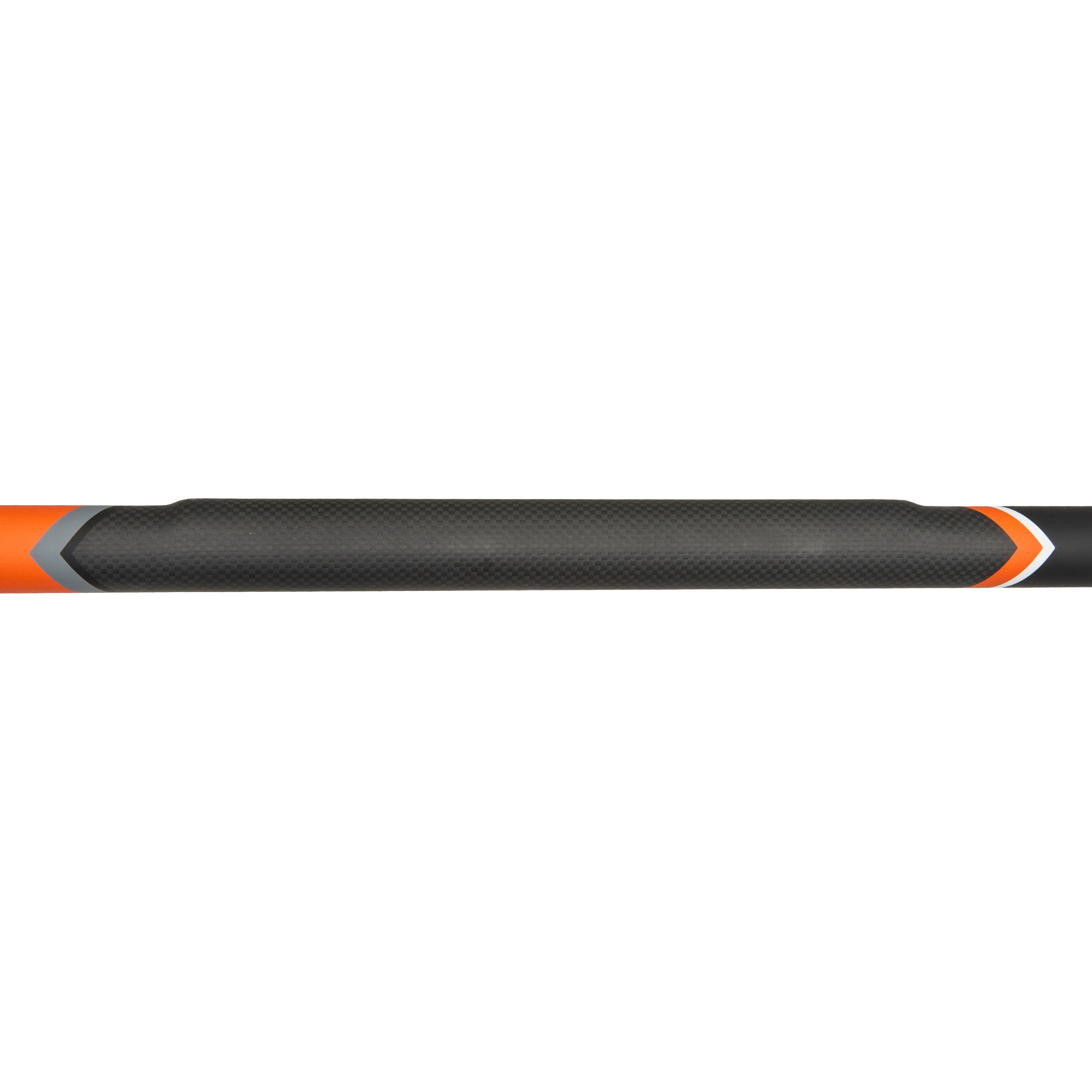
- 3K carbon handle for minimum weight
- Paddle grip on the right-hand part of the handle
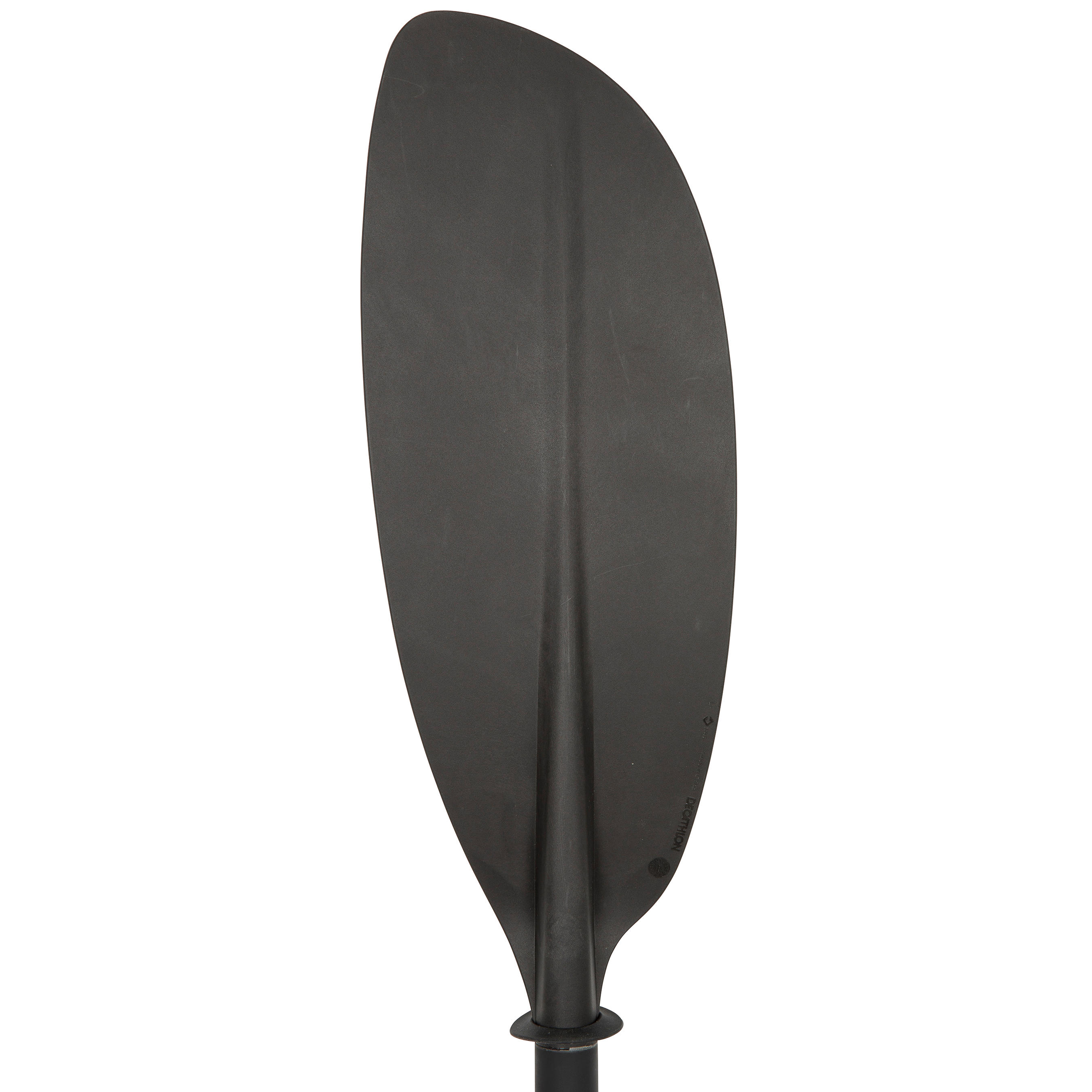
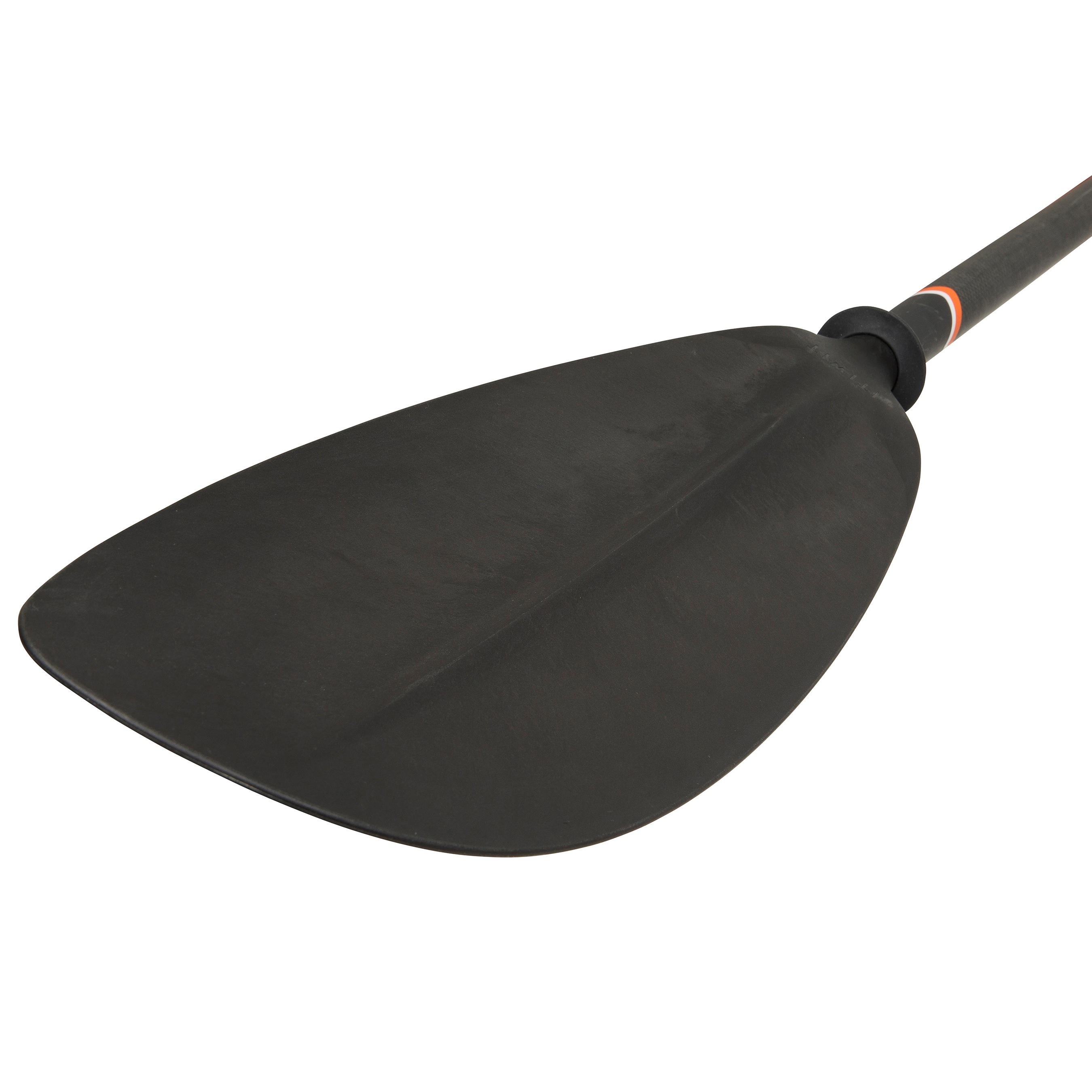
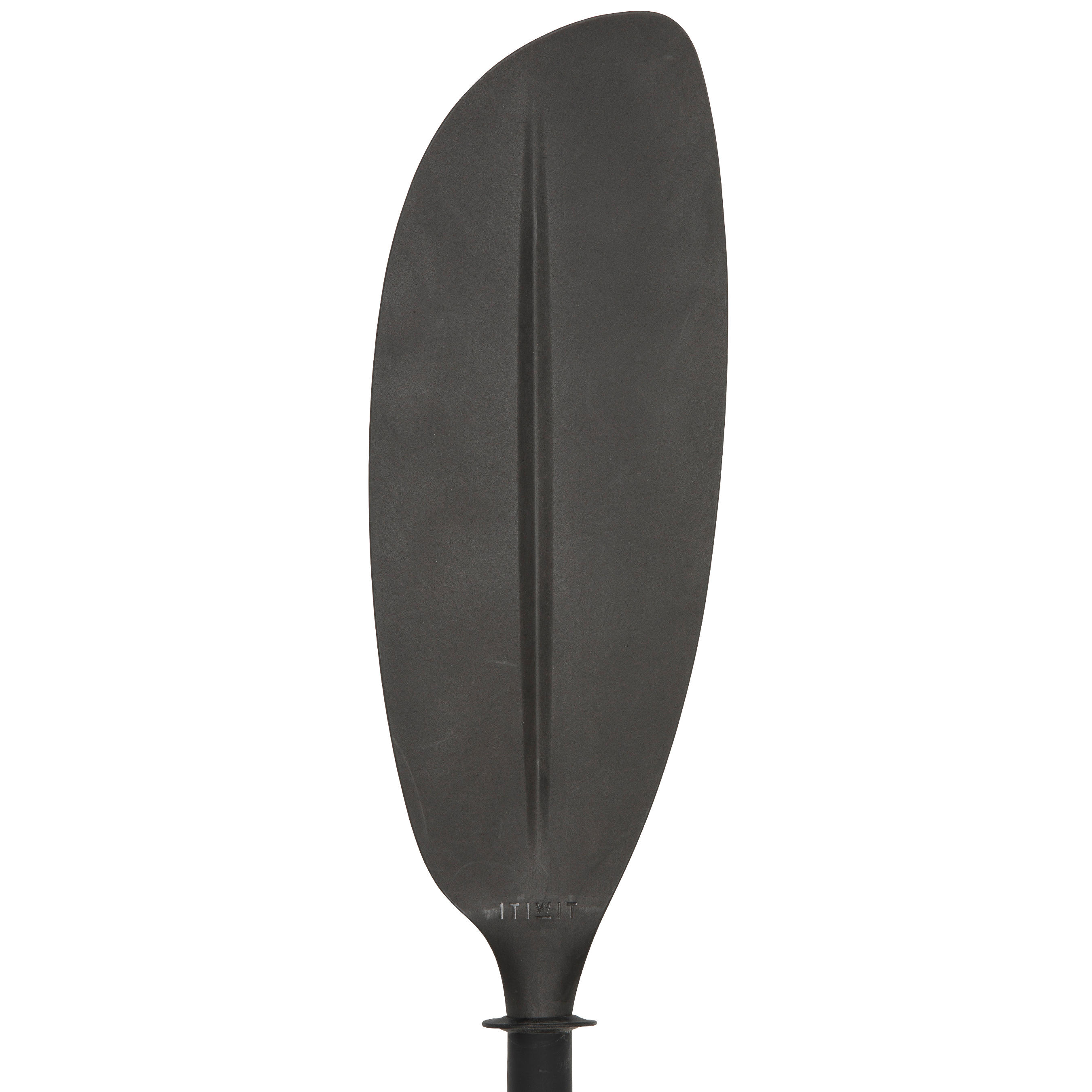
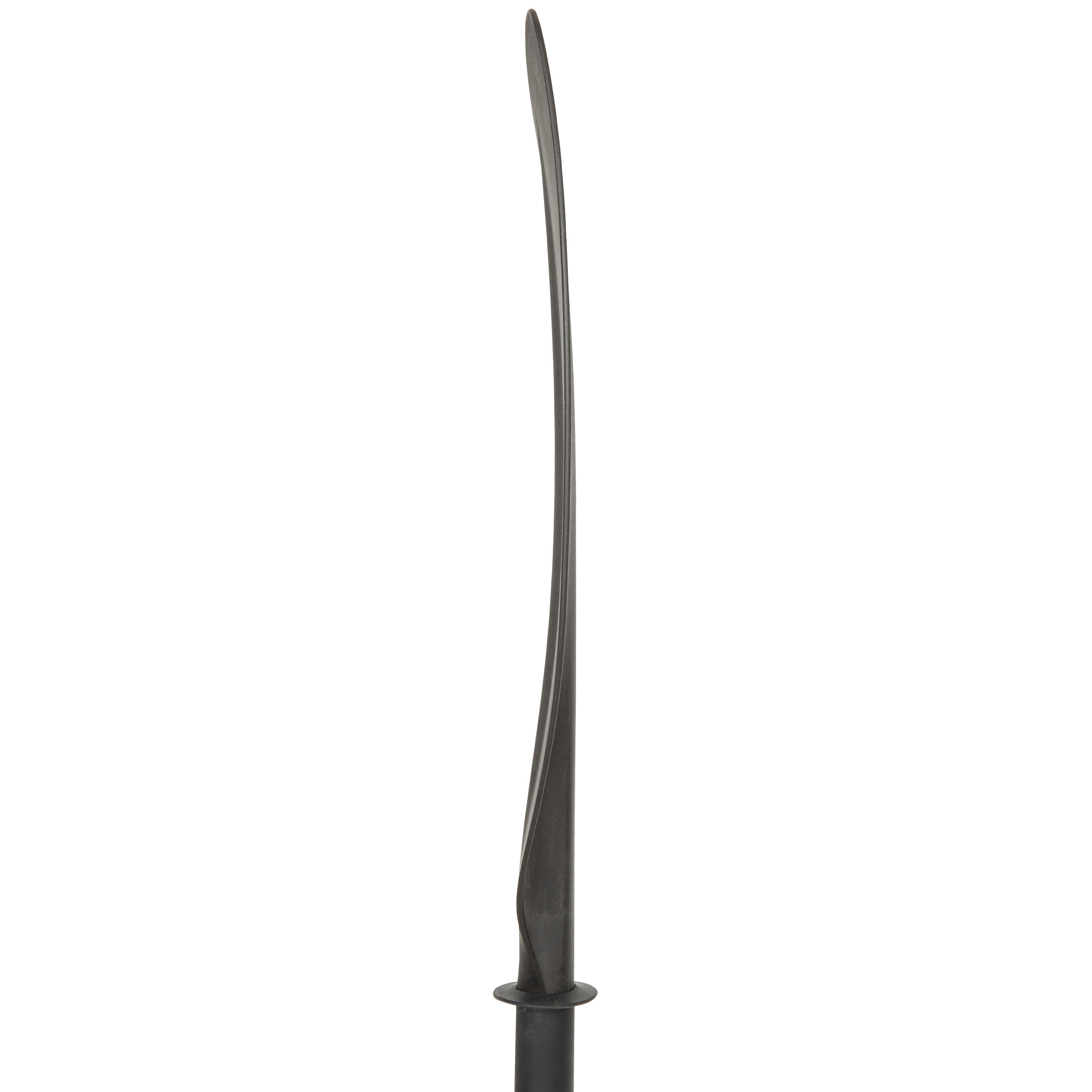
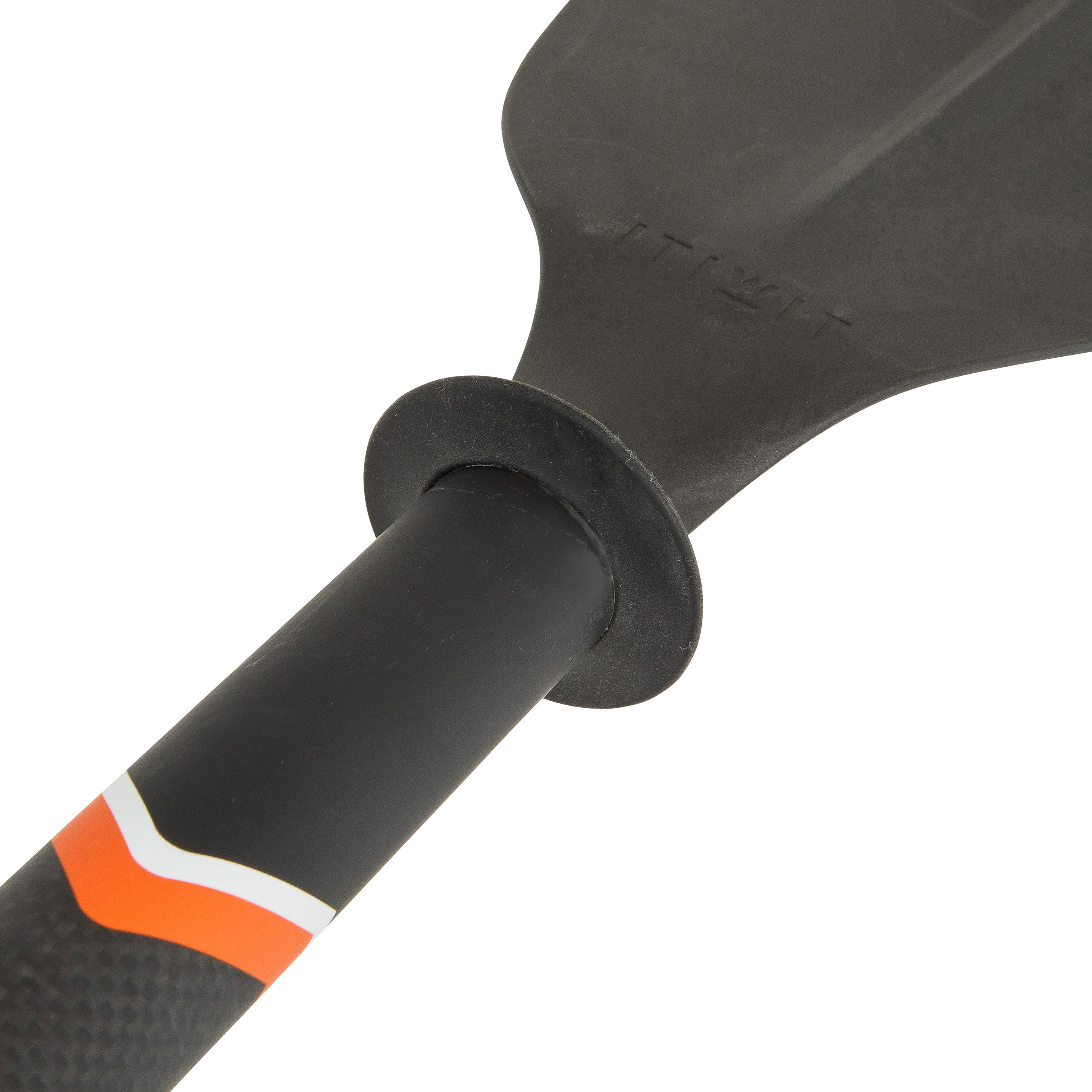
- Plastic blades loaded with carbon fibre for an ideal flex/power transmission ratio
Shape:
- sea kayak shape, two silicone drip arrestors on the handle
How to change the size of your paddle
The adjustments depend on the kayaker, the environment, and the vessel:
A short paddle for white water and narrow kayaks (< 60 cm wide).
*Short paddle = Between 20 and 30cm more than your height
A longer paddle for touring and wider kayaks (> 60 cm in width).
*Long paddle = Between 30 and 40cm more than your height
Dimensions
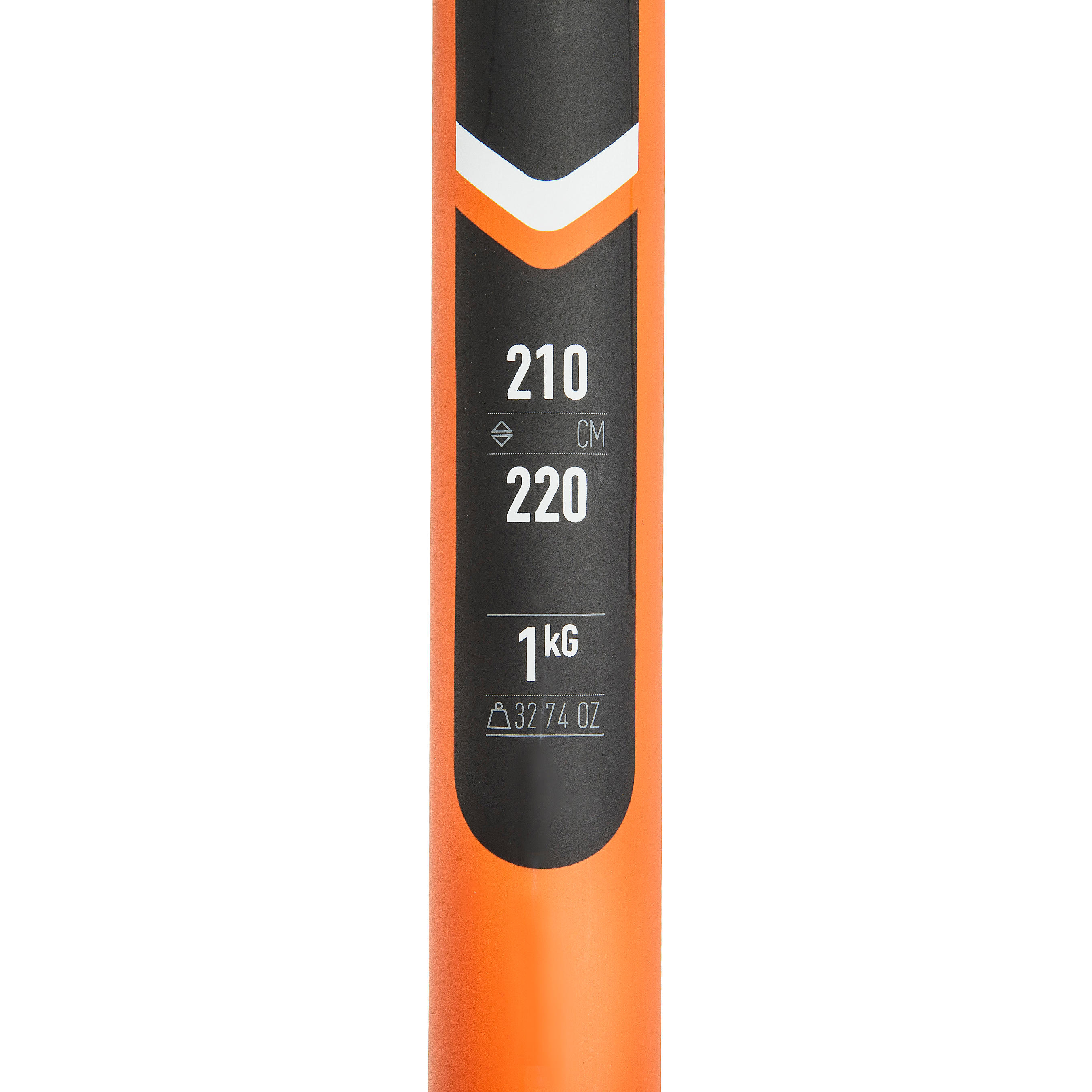
Maximum usage size: 220 cm
Minimum usage size: 210 cm
Disassembled size: 121 cm
Actual weight: 900 g, Advertised weight: 1 kg
Shaft diameter: 30 mm
Paddle surface: 620 cm2