Weight
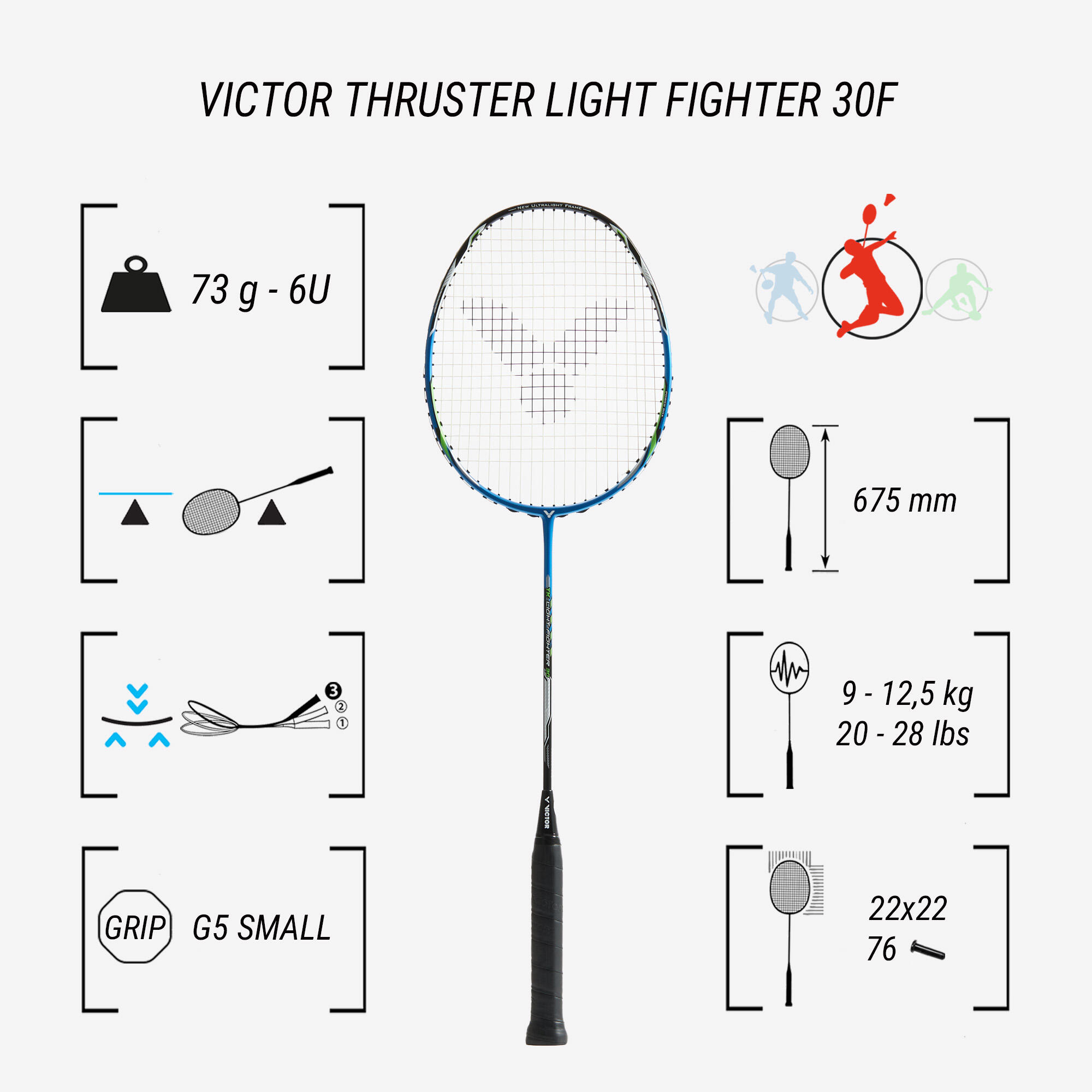
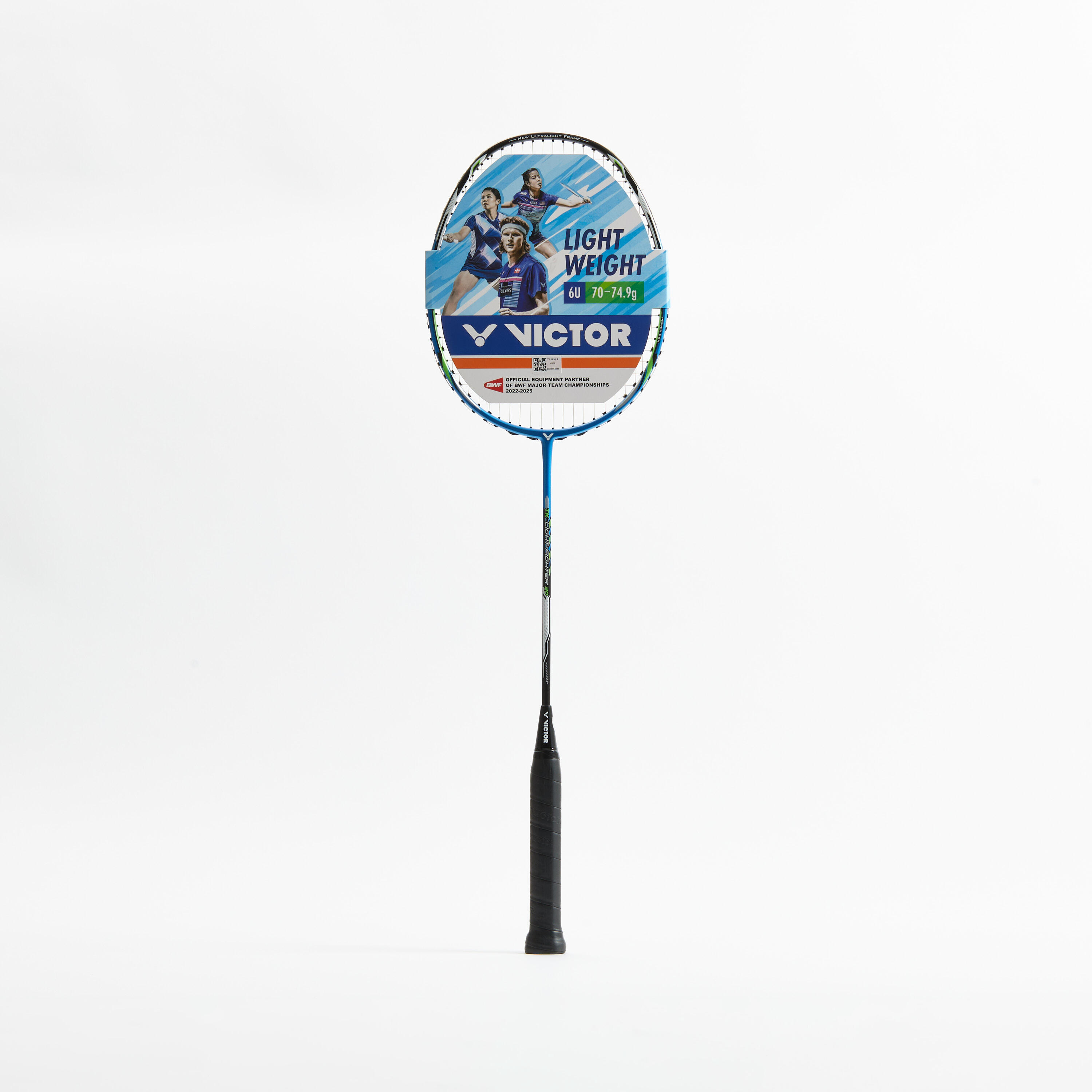
73 g - 6U (70-74 g).
The weight (mass) of a racket, expressed in grams, generally varies between 60 and over 100 grams. These rackets are categorised by mass ranges, designated by units called ‘U’. A light racket is distinguished by its manoeuvrability, comfort and softness for the arm, allowing faster movements. A heavier racket, on the other hand, is more powerful.
Flexibility
flexible.Shafts can range from flexible to rigid. A flexible shaft offers more forgiveness and comfort during play, while making it easier to hit long shots. A rigid shaft, on the other hand, provides better repulsion and precision, but requires good arm speed.
Balance
Head heavyThe balance of a racket corresponds to the distribution of its weight from the base of the handle to the balance point. A handle-balanced racket offers better manoeuvrability and responsiveness, ideal for defensive players! In contrast, a head-balanced racket provides more power, which is appreciated by offensive players, although it may feel heavier and less easy to handle.
Composition
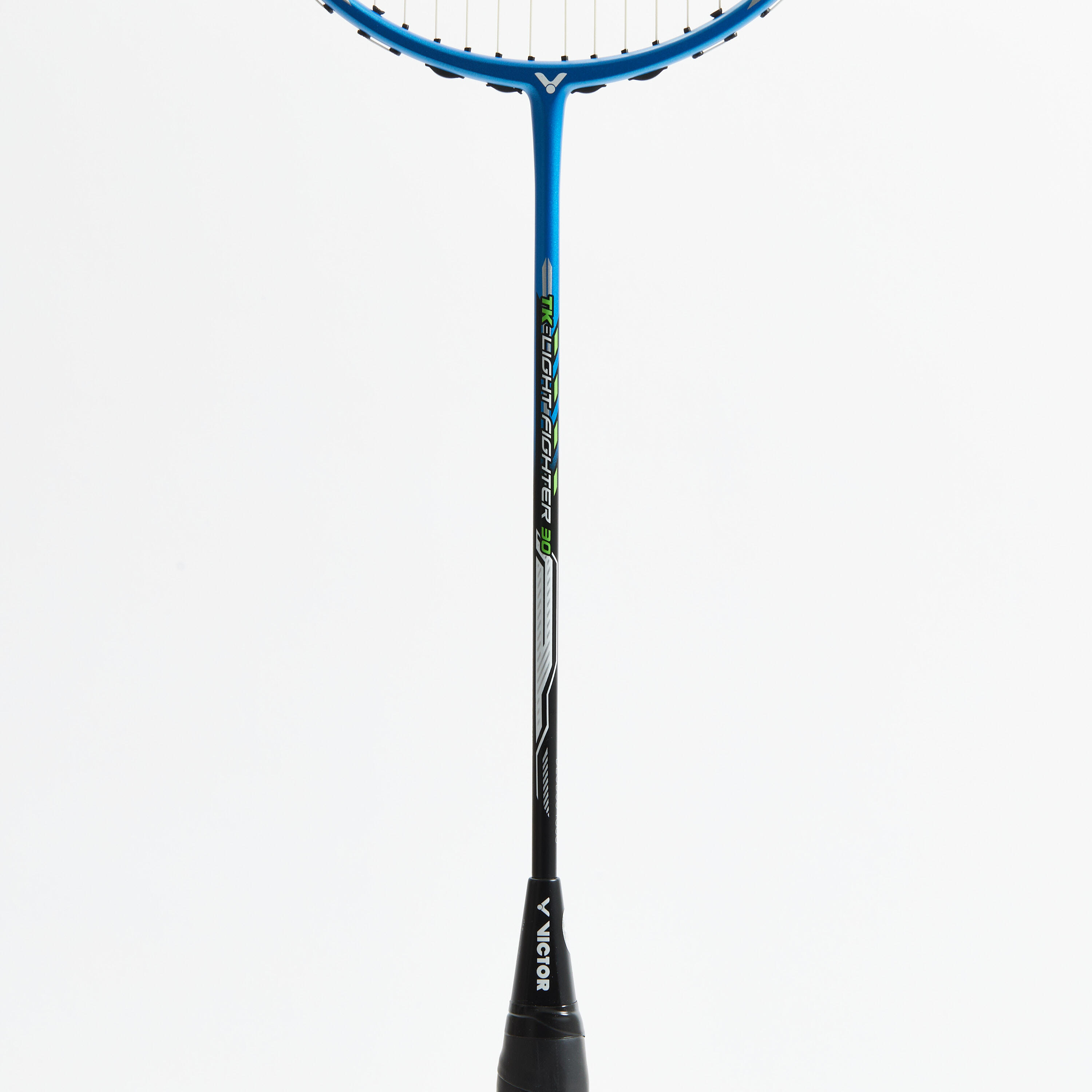
High Modulus Graphite.
Steel and/or aluminium models are suitable for recreational use. Graphite/aluminium or all-graphite rackets are better suited to beginners and regular players. Lastly, rackets made from High-Modulus Graphite, often combined with technologies such as tungsten, are designed for intermediate and intensive players.
Length
675 mm.
The size of a children's racket depends on the age of the player. A 540 mm racket is ideal for children aged 4-6, while a 620 mm model is suitable for 7-11 year-olds. However, as soon as a child reaches an intermediate level, it's advisable to switch to an adult racket.
Grip size
G5 small.
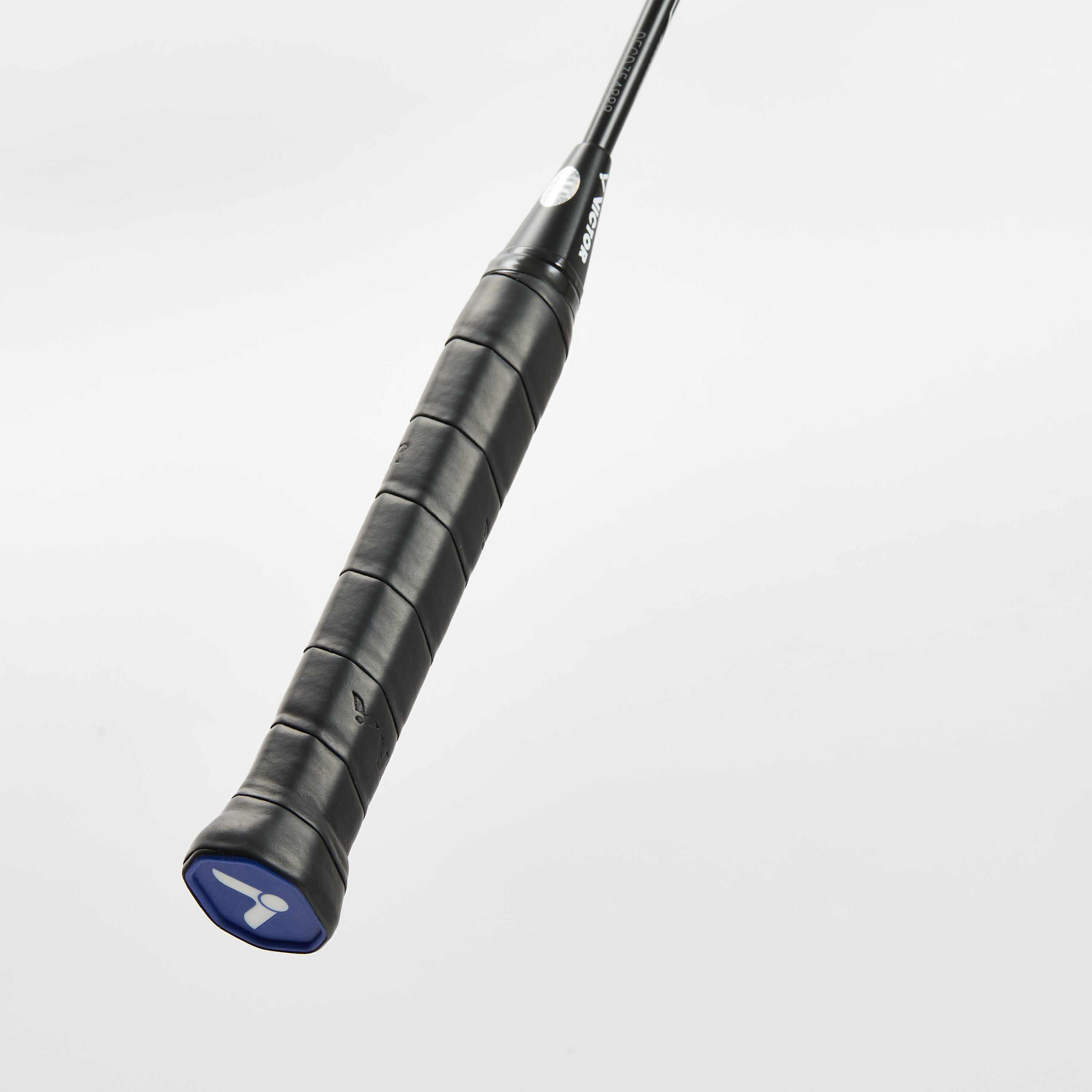
The diameter of the handle of a racket generally varies between 75 and over 90 mm. A thick handle gives a better grip but makes grip changes more difficult, whereas a thinner handle favours dexterity to give the racket more speed.
Original strings
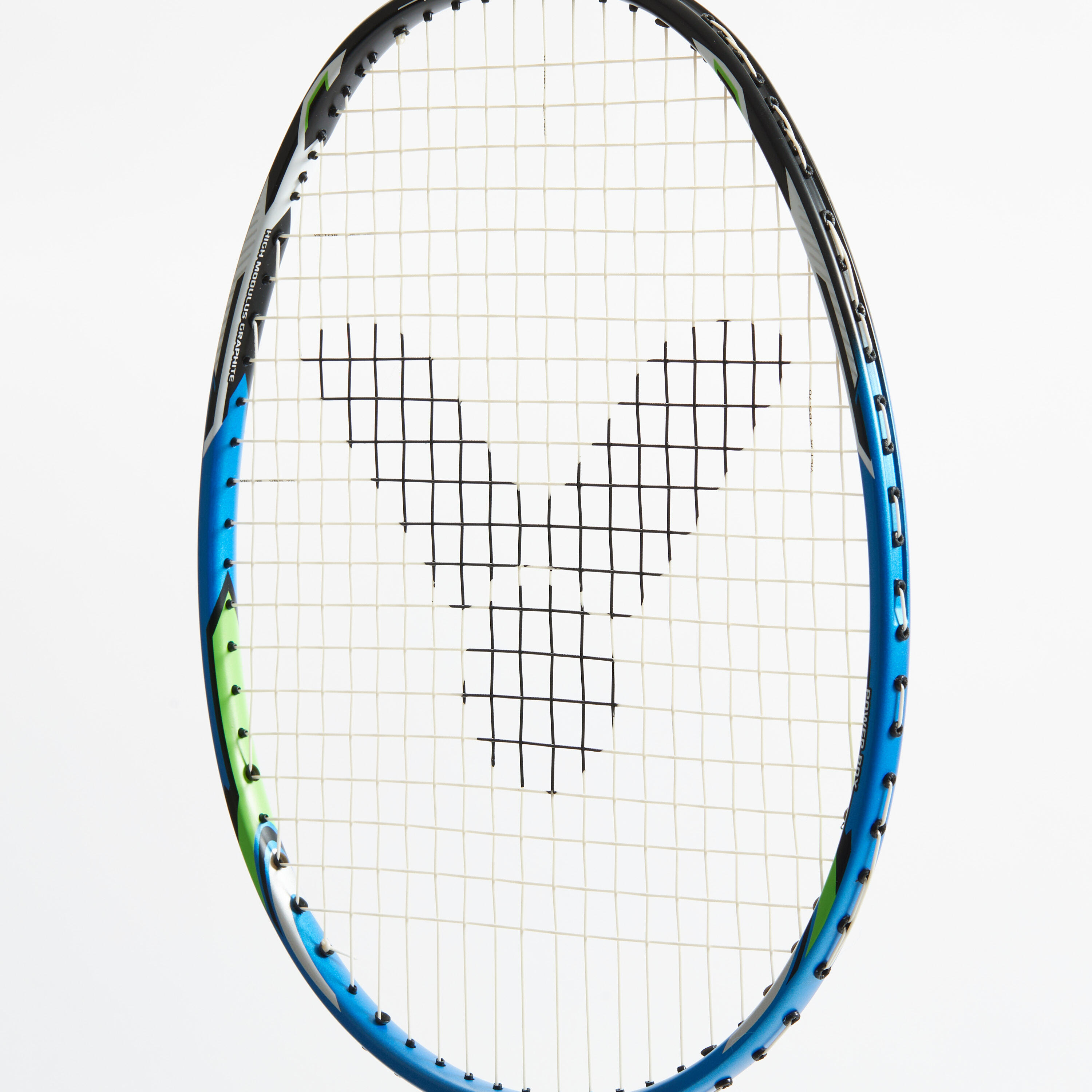
The racket comes pre-strung with white Victor VBS-70 string with a gauge of 0.70 mm.
Original tension:
Factory tension: 8-10 kg. The tension is expressed in kilograms (kg) or pounds (lb). Rackets are generally strung at around 9 kg (20 lbs), but the tension can decrease over time.
Recommended tension
9-12.5 kg / 20-28 lbs. Every brand recommends a maximum tension for their rackets to prevent the string or frame from breaking while stringing or hitting. String tension influences play. Low tension provides comfort and facilitates long shots. High tension offers precision, repulsion and a good sound, but is more fragile, especially when off-centre. Adapt it to your needs and playing style.
Stringing:
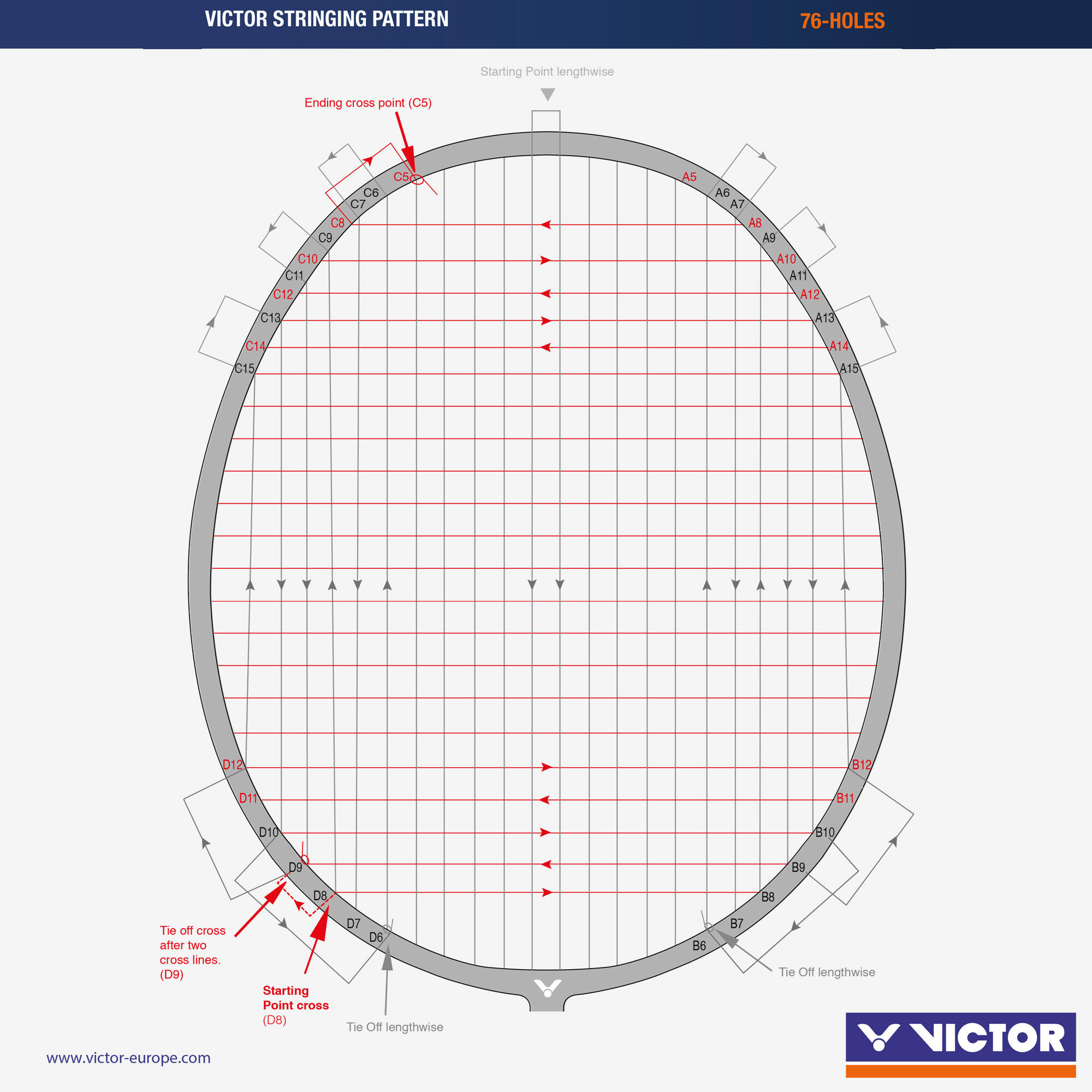
22x22. The string pattern is expressed in the number of vertical strings x the number of horizontal strings. In badminton, you say mains and crosses on a racket. This configuration increases grip and improves spin.
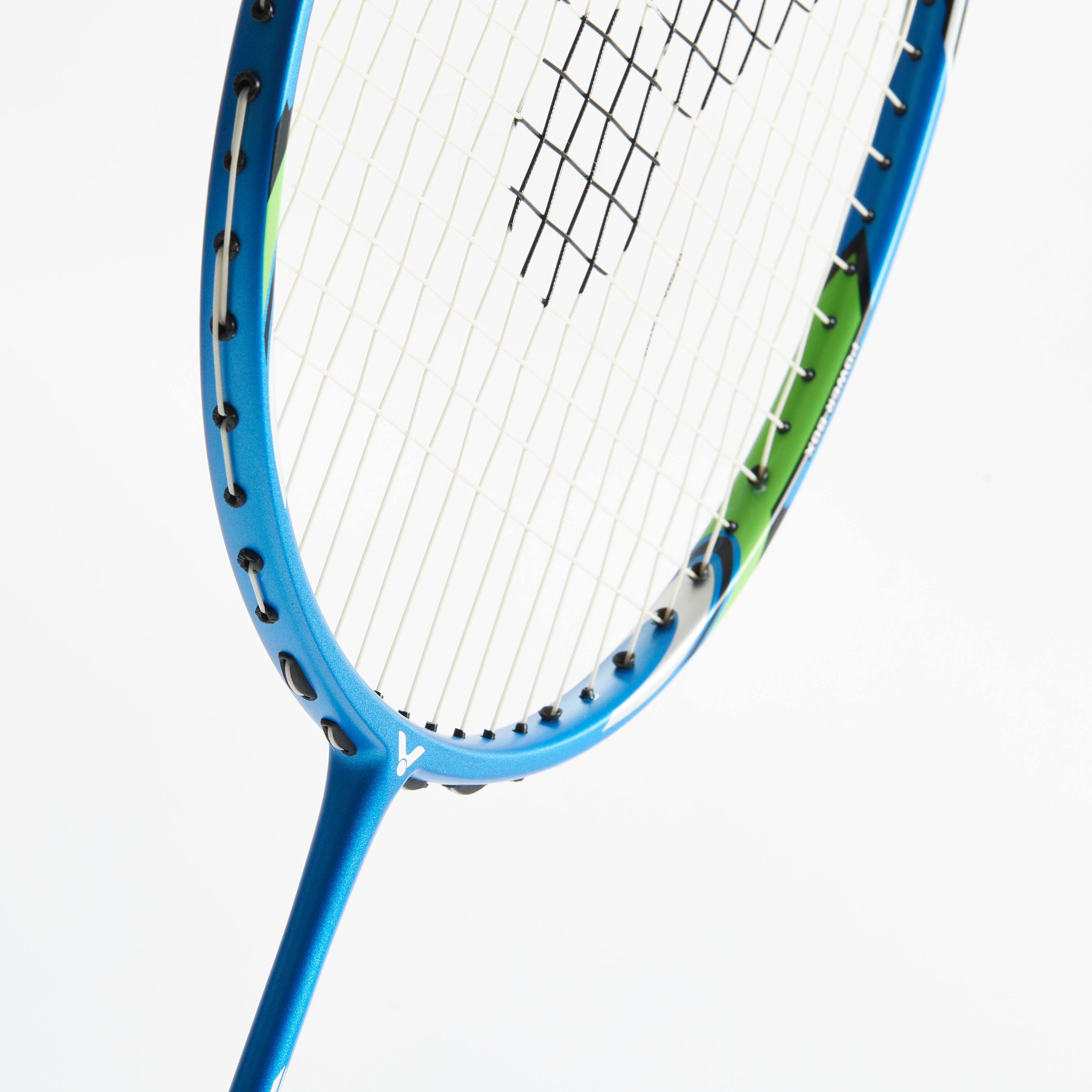
76 eyelets stringing instructions: A = top, B = bottom
4 knot stringing instructions. Mains: start from top centre and continue stringing, alternating left and right every 2 mains, up to B12 (skip B11, A8, A10, A12 and A14) and tie off at B6. Crosses: start the crosses at the bottom from B8 and tie a knot at B6. Continue across the bottom to A8 (skip the A11 and A9 eyelets), tying the knot at A5.
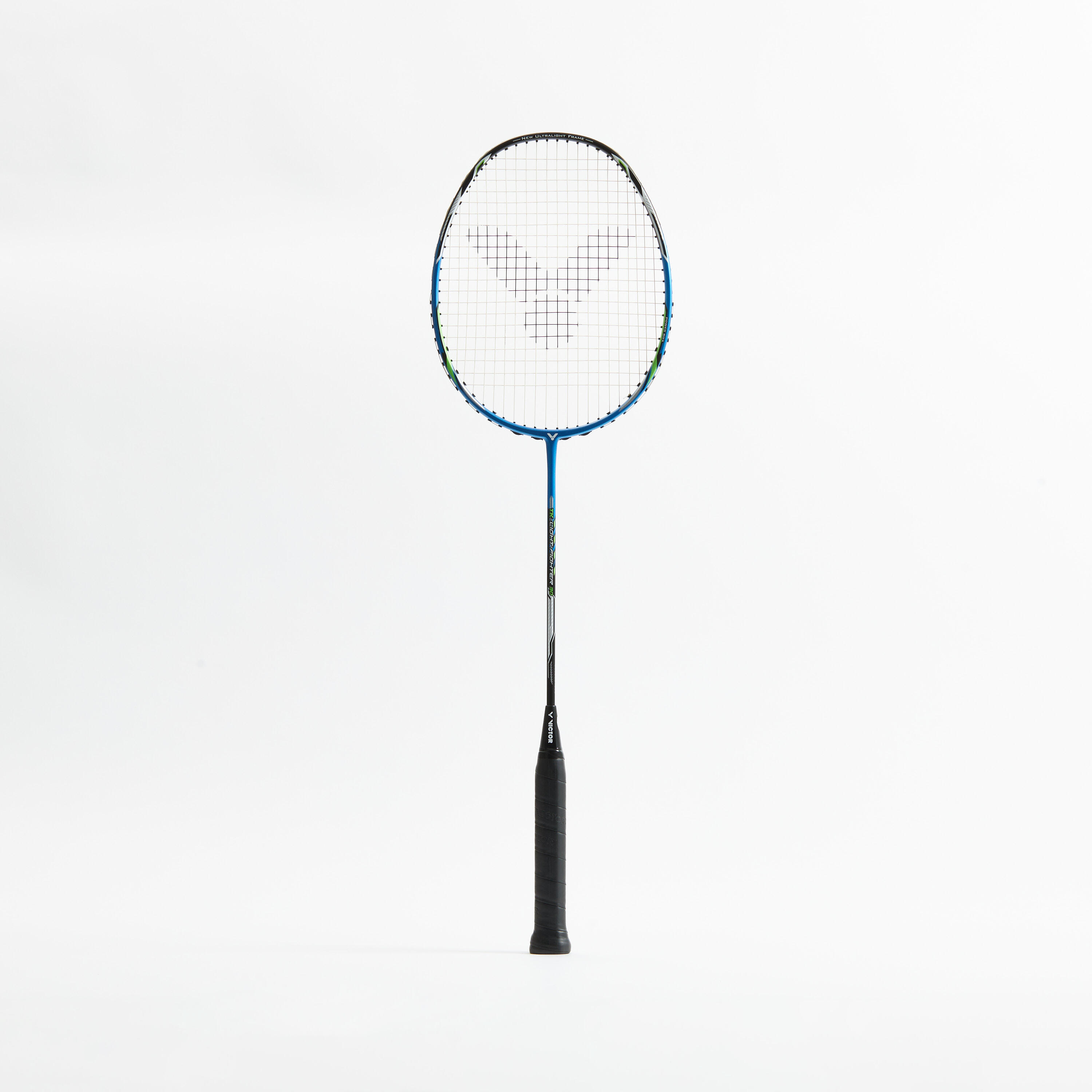
NEW ULTRALIGHT FRAME
The lightweight structure of the frame improves strength while reducing weight.
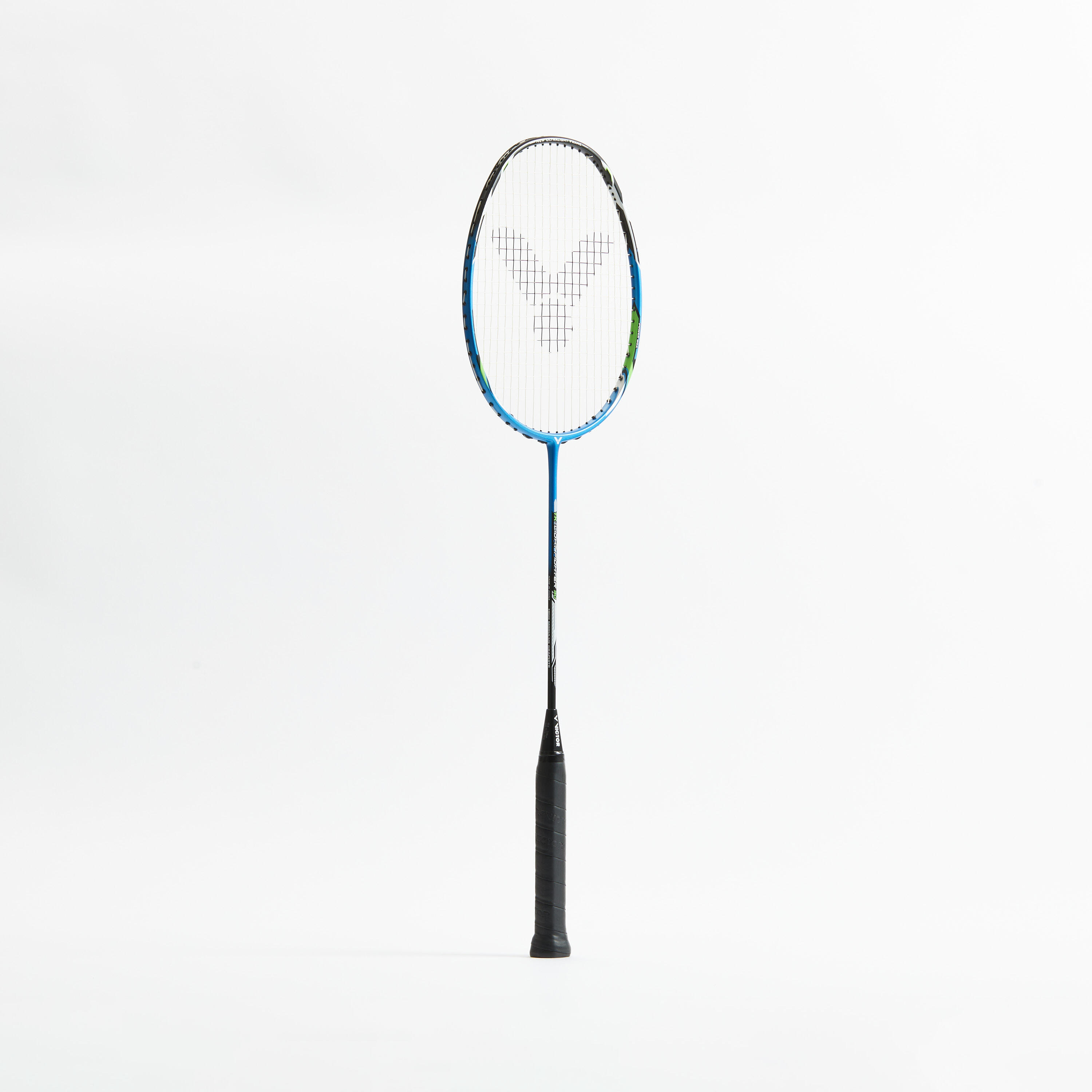
POWER BOX
The rigidity of the frame improves stability and reduces twisting, while allowing it to withstand higher tensions.