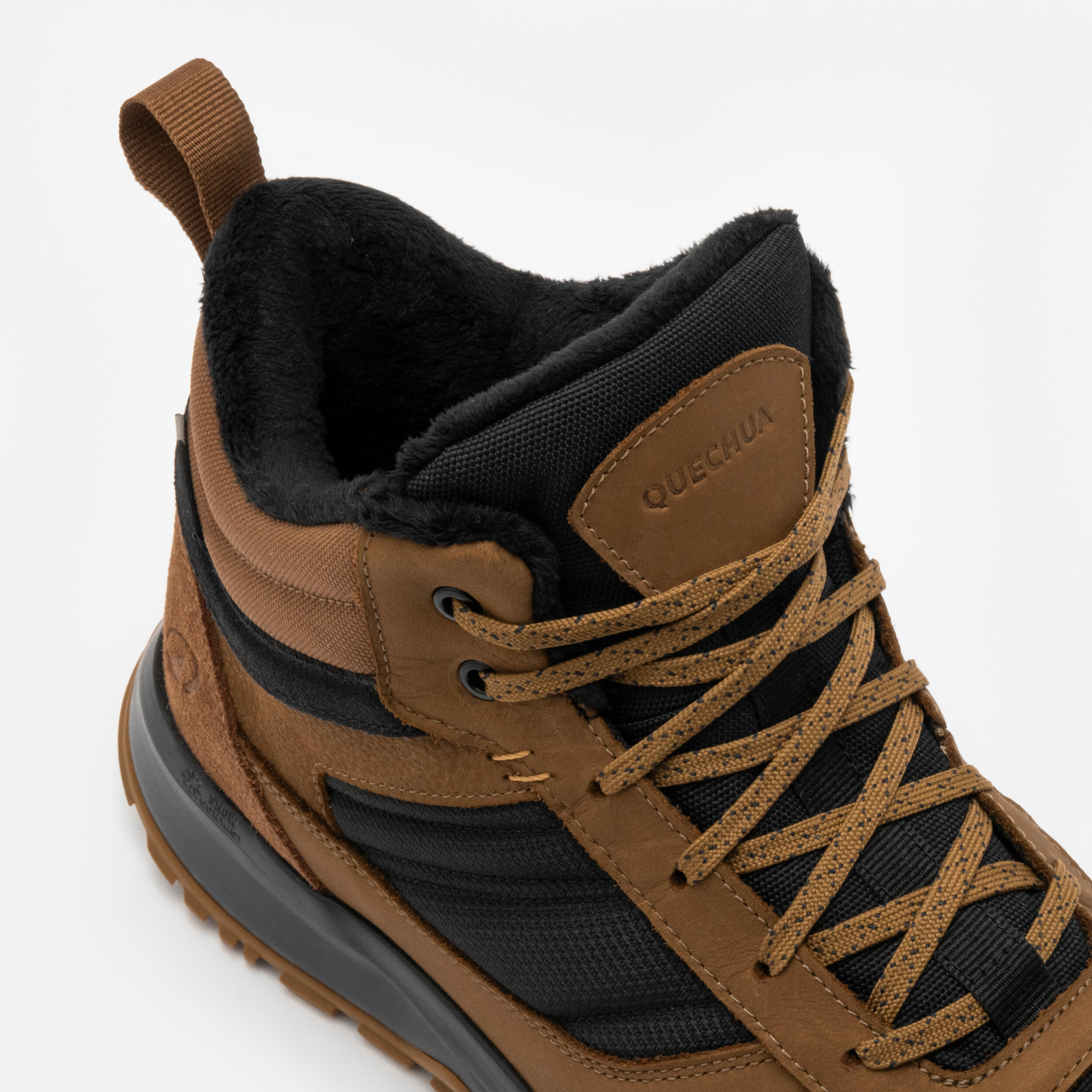
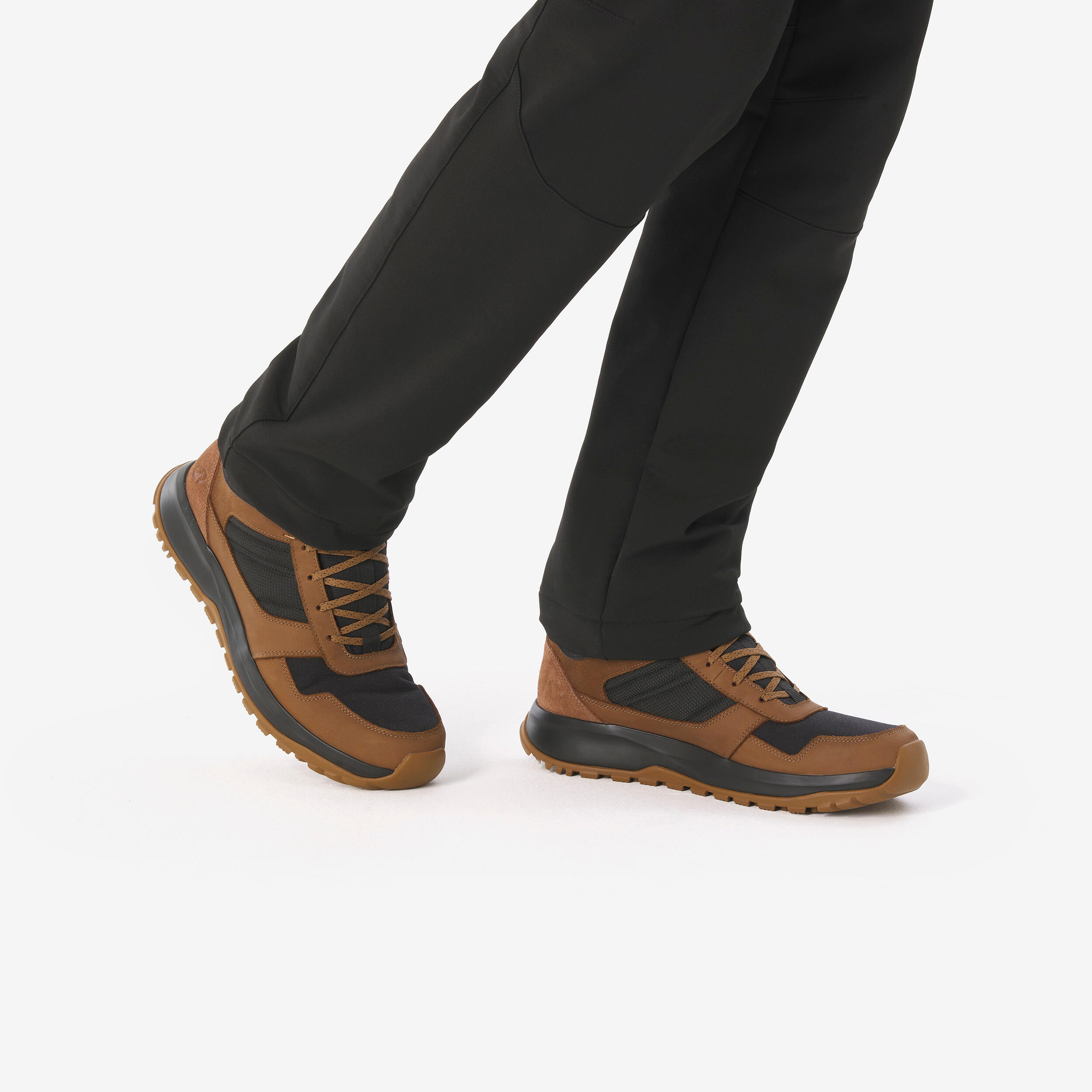
Can you be sure that your boots are warm enough for your winter hikes?
Based on field and laboratory tests of cold sensitivity carried out with a panel of users, we measure the thermal resistance of our boots both at rest and during activity. As a result, you now have an accurate measure of the temperature at which you are protected with these shoes. The comfort temperature ratings for your shoes is shown.
What is the difference between traction and grip?
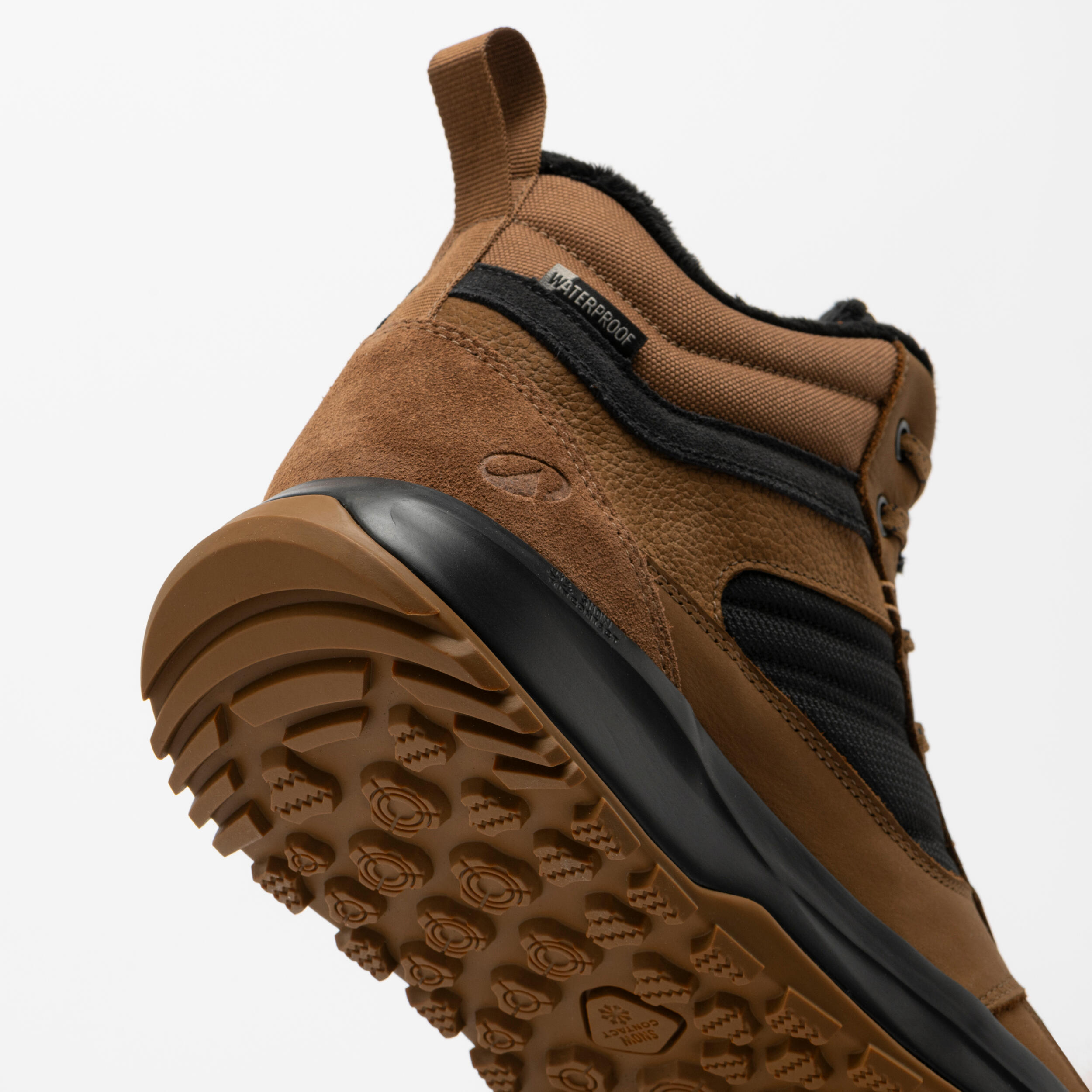
The traction of the boots depends on the number and shape of the studs. The grip is dependent on the materials of the sole and the tread pattern, like the tyres of your car. Traction optimises propulsion, prevents the boot from slipping backwards when going uphill and stabilises the boot.
SNOWCONTACT technology
SNOWCONTACT soles are made with a specific component and stud pattern that is designed to ensure the best possible grip and traction. SNOWCONTACT soles are more effective than traditional soles on snow. When walking on ice, the only way to ensure optimum safety is to add anti-slip grips to your boots.
Why choose a leather shoe?
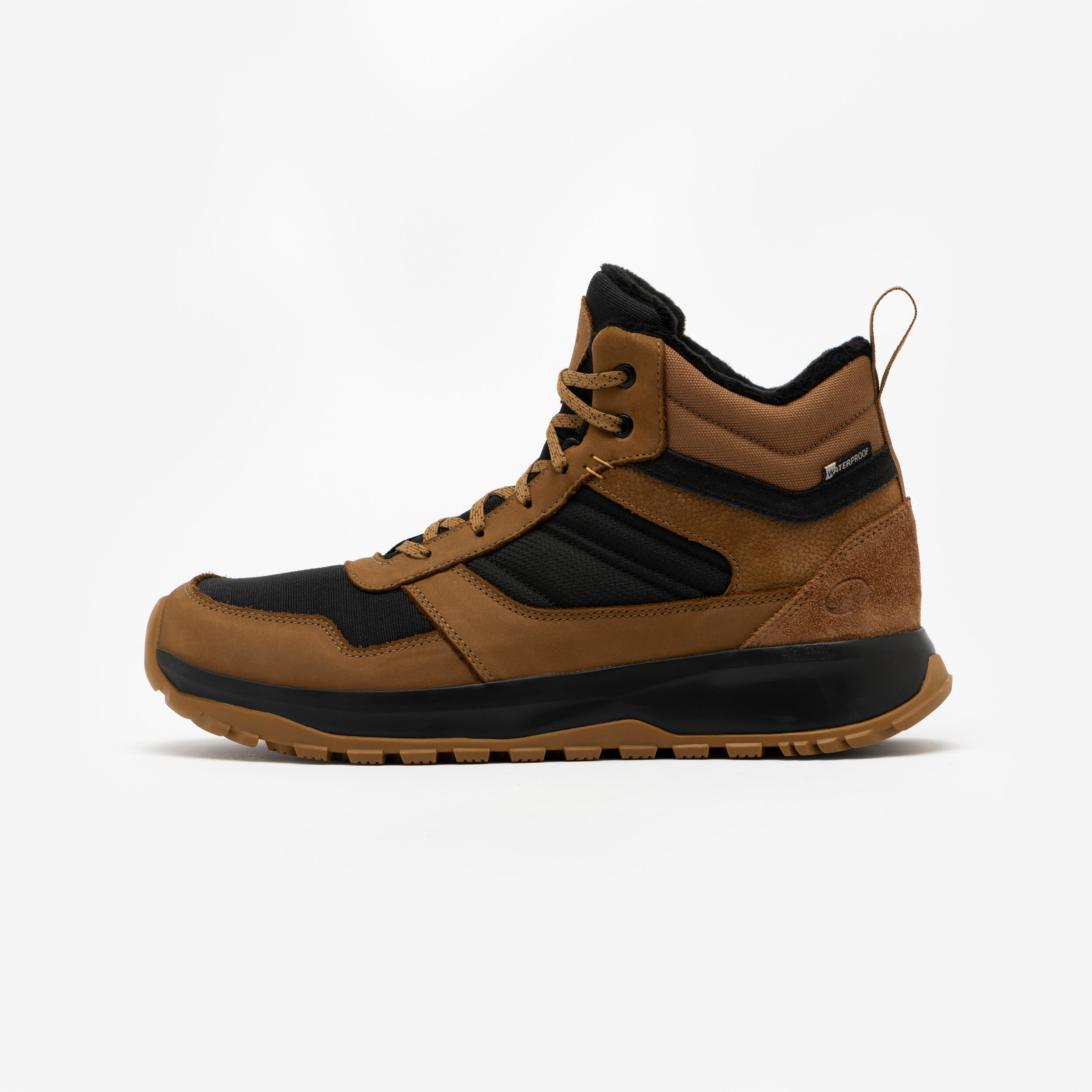
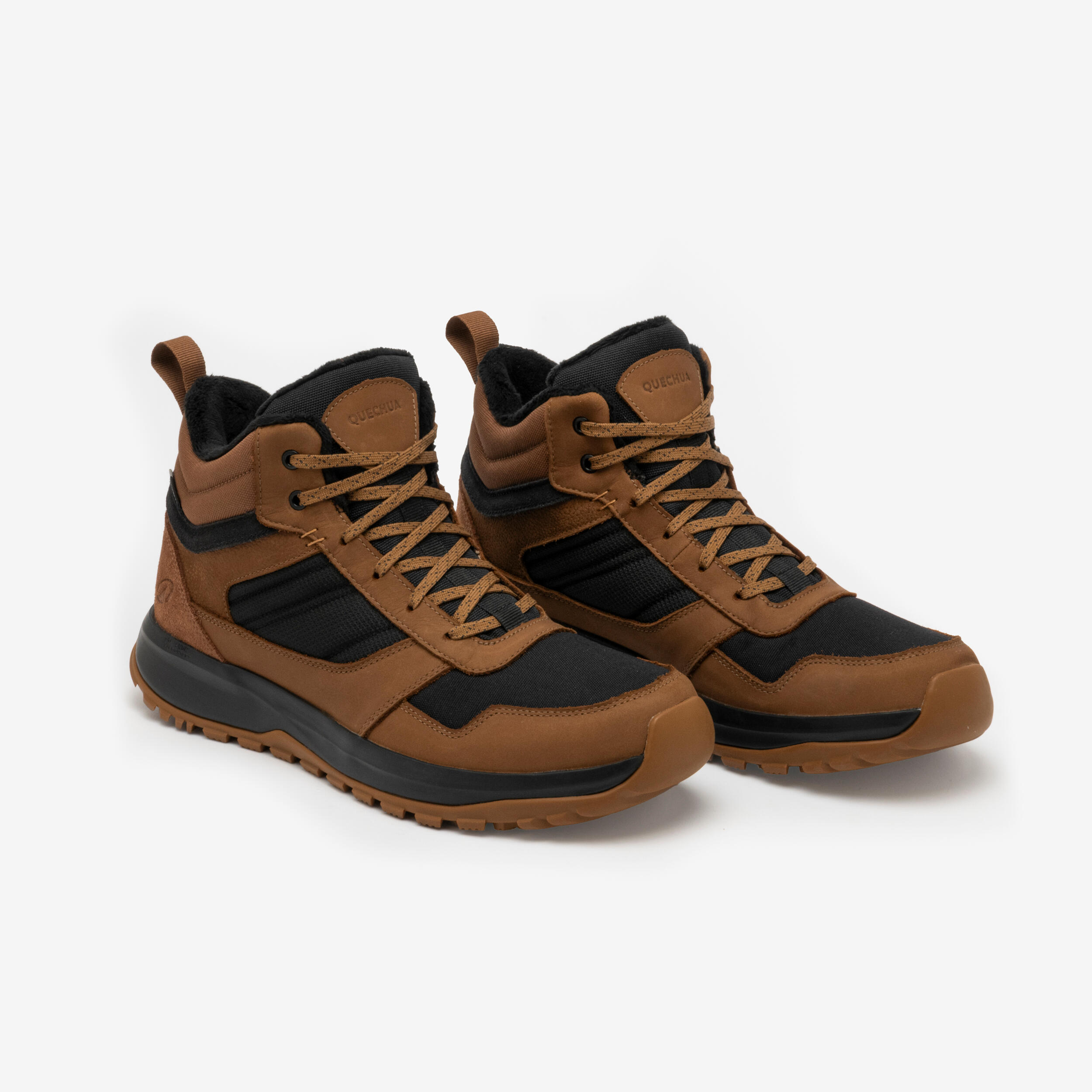
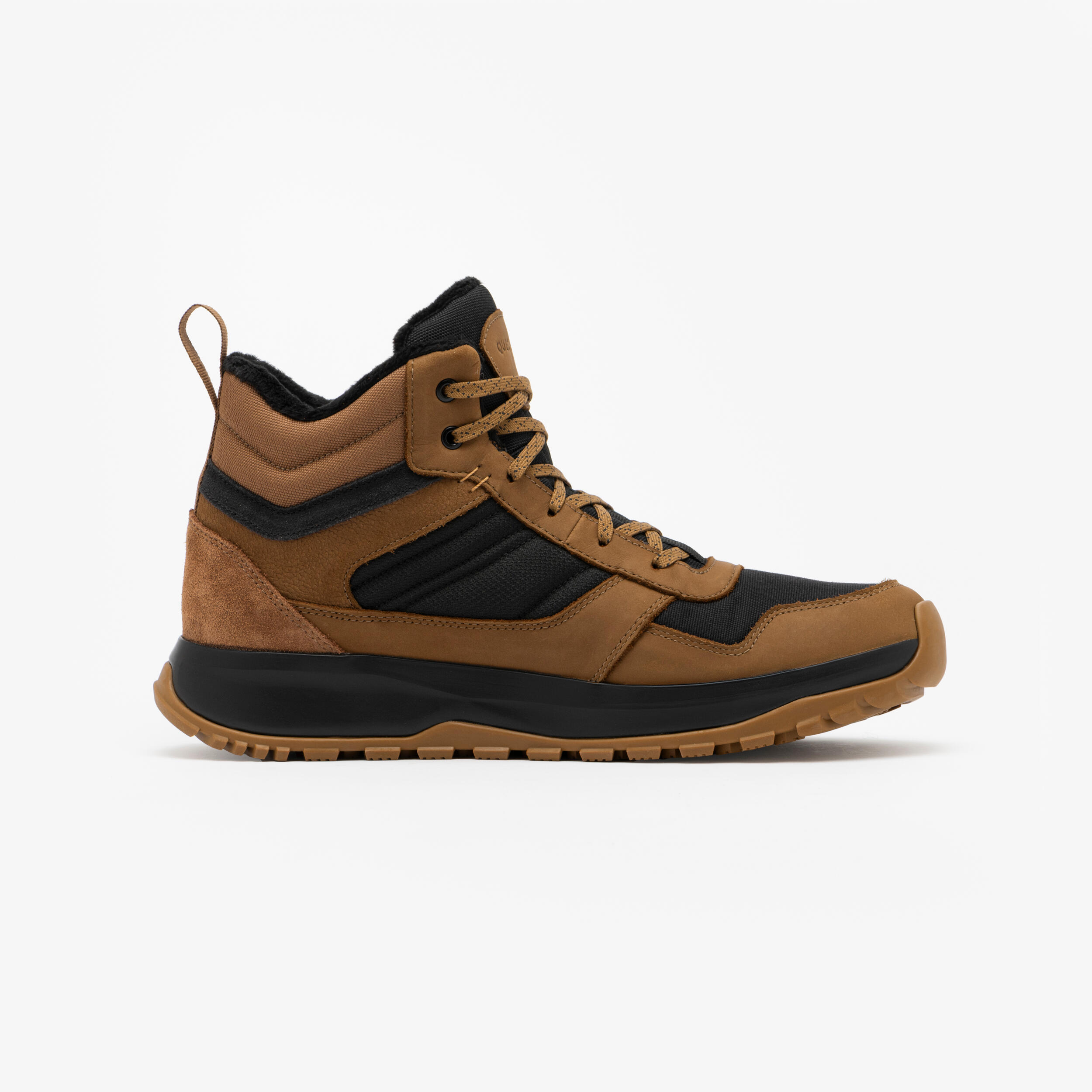
Leather is ultra-comfortable, durable and flexible. It is waterproof, breathable and naturally thermo-regulating. A combination of warmth in winter and coolness in mid-season. For their care, remember to gently brush them regularly so that they last as long as possible.
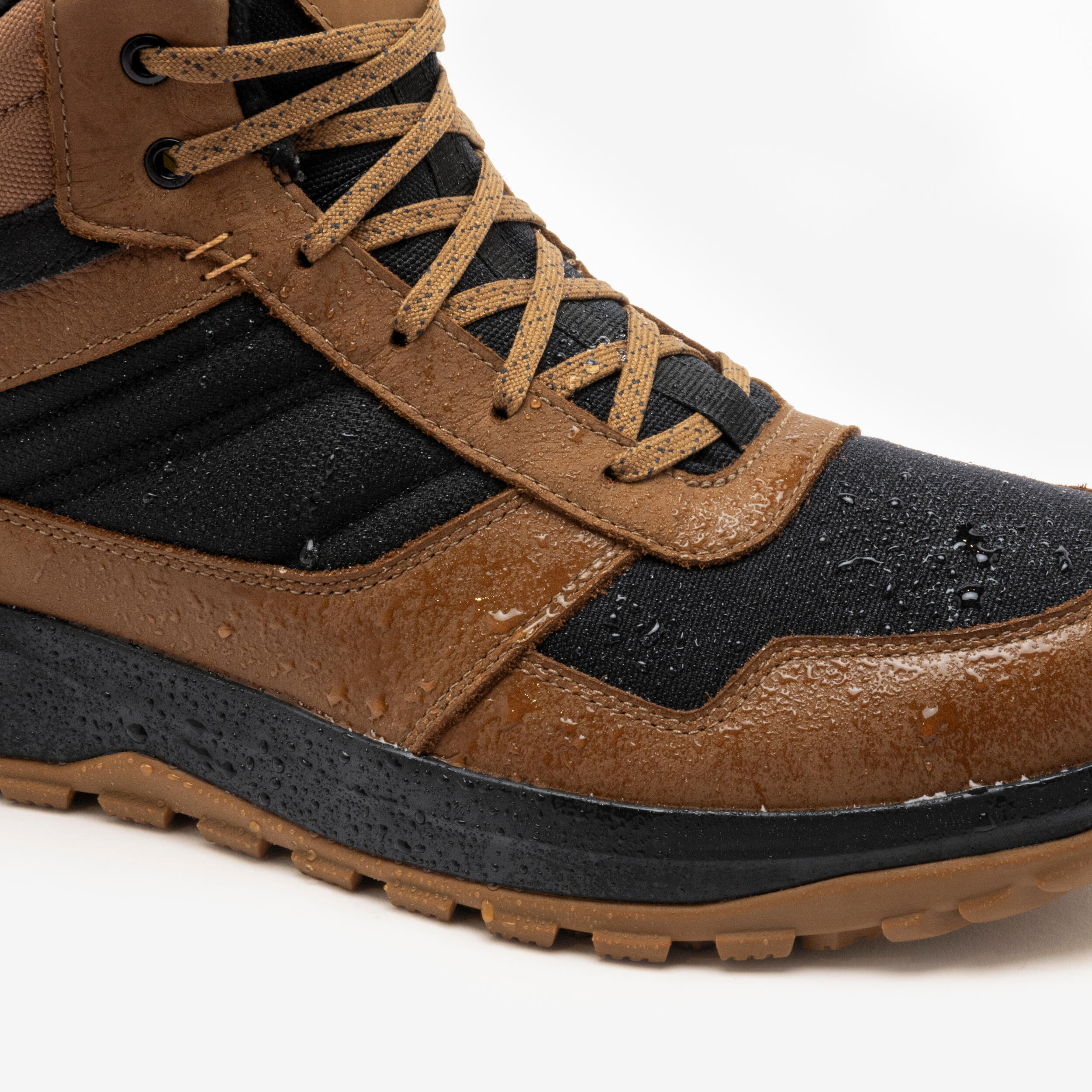
How can I be sure that my boots are 100% waterproof?
We made sure that your boots are waterproof by conducting laboratory tests to simulate walking with the boots half submerged in water. We also conducted field tests to measure wear and ageing.
Our tips on use and care
Shoes can become heavy while they’re being worn in the wet (condensation and perspiration)
If your boots are very wet, we advise you to remove the insole, fill the upper with balls of newspaper and change them regularly. The paper will pump out moisture and speed up drying.
Never place your shoes too close to a heat source but leave them in a warm, dry and ventilated place.