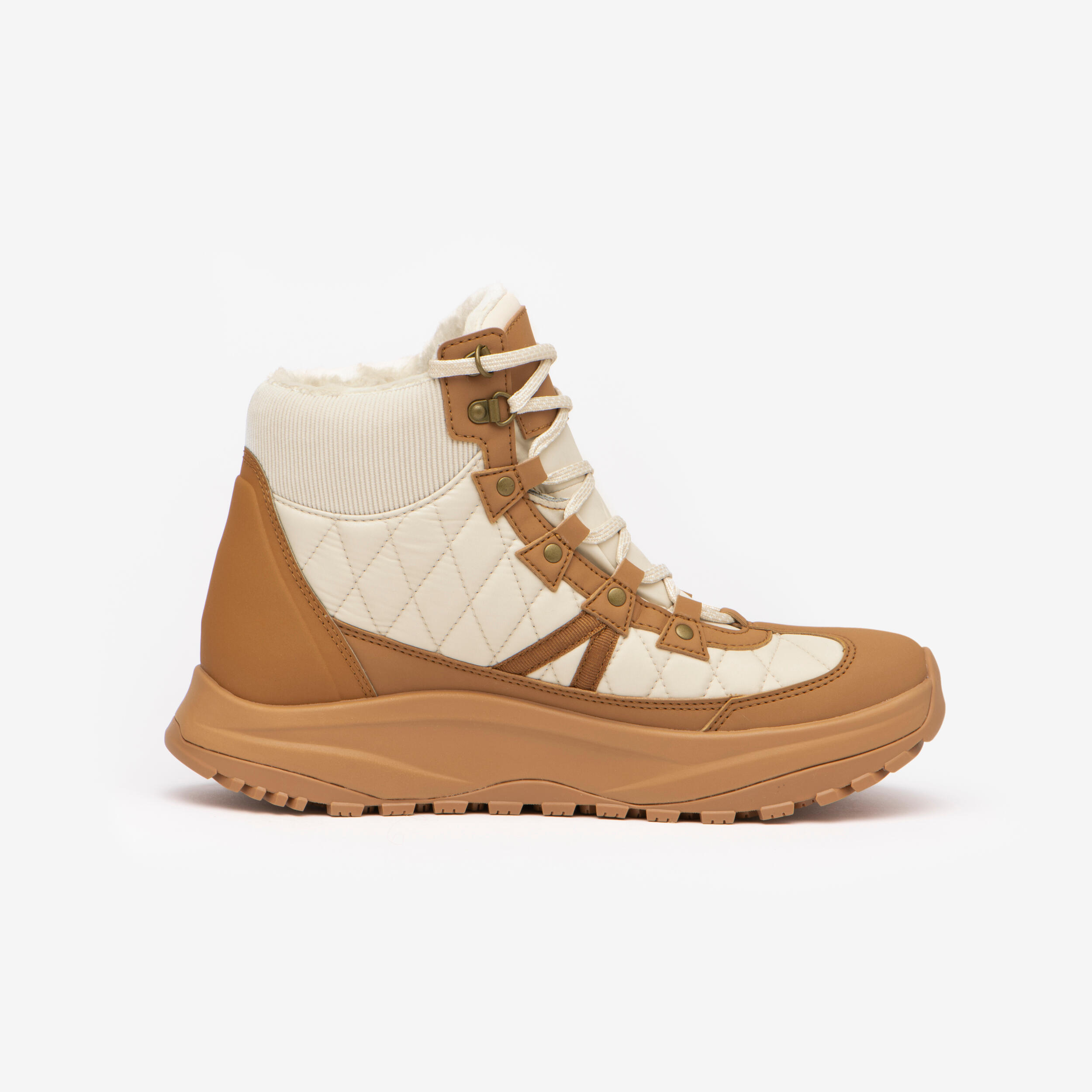
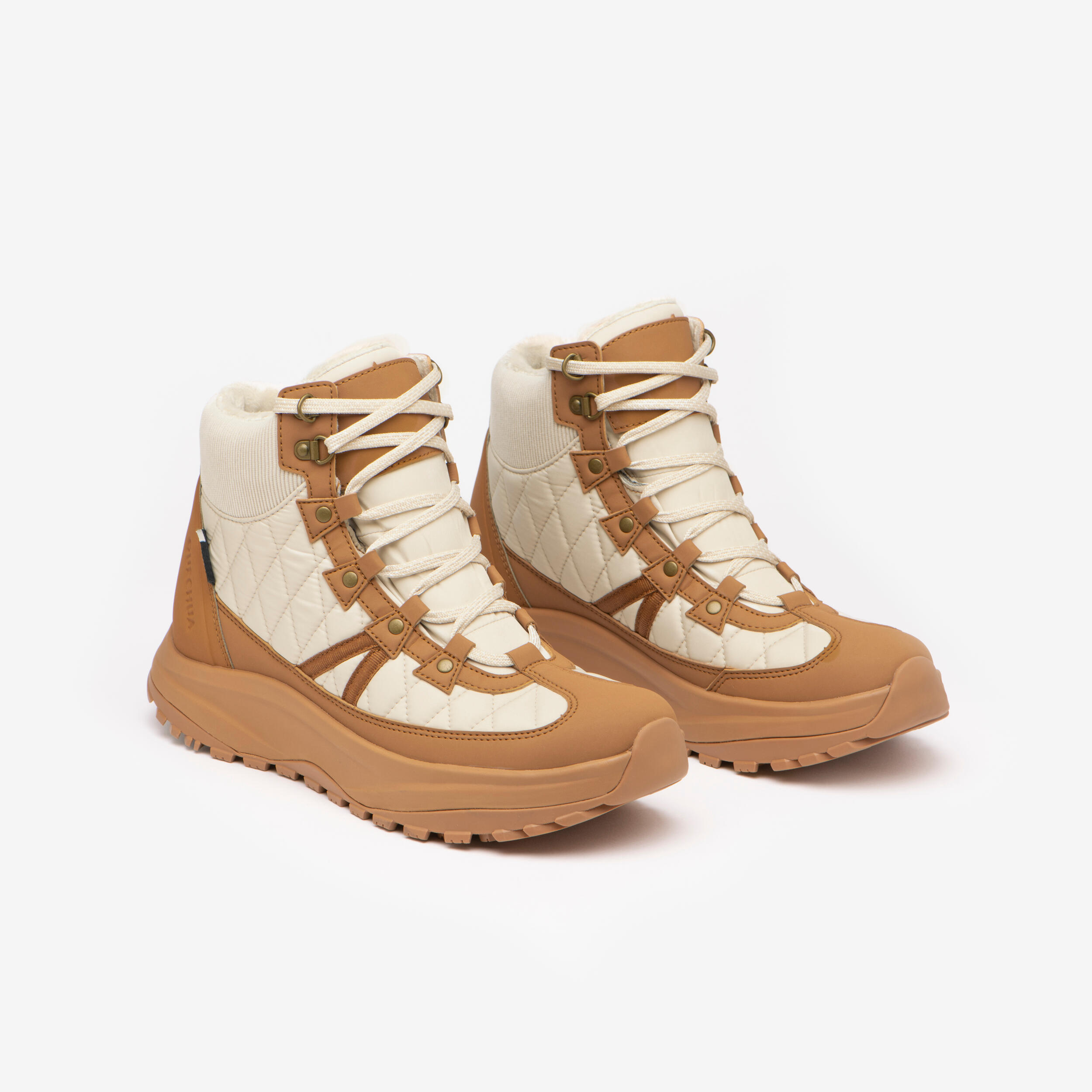
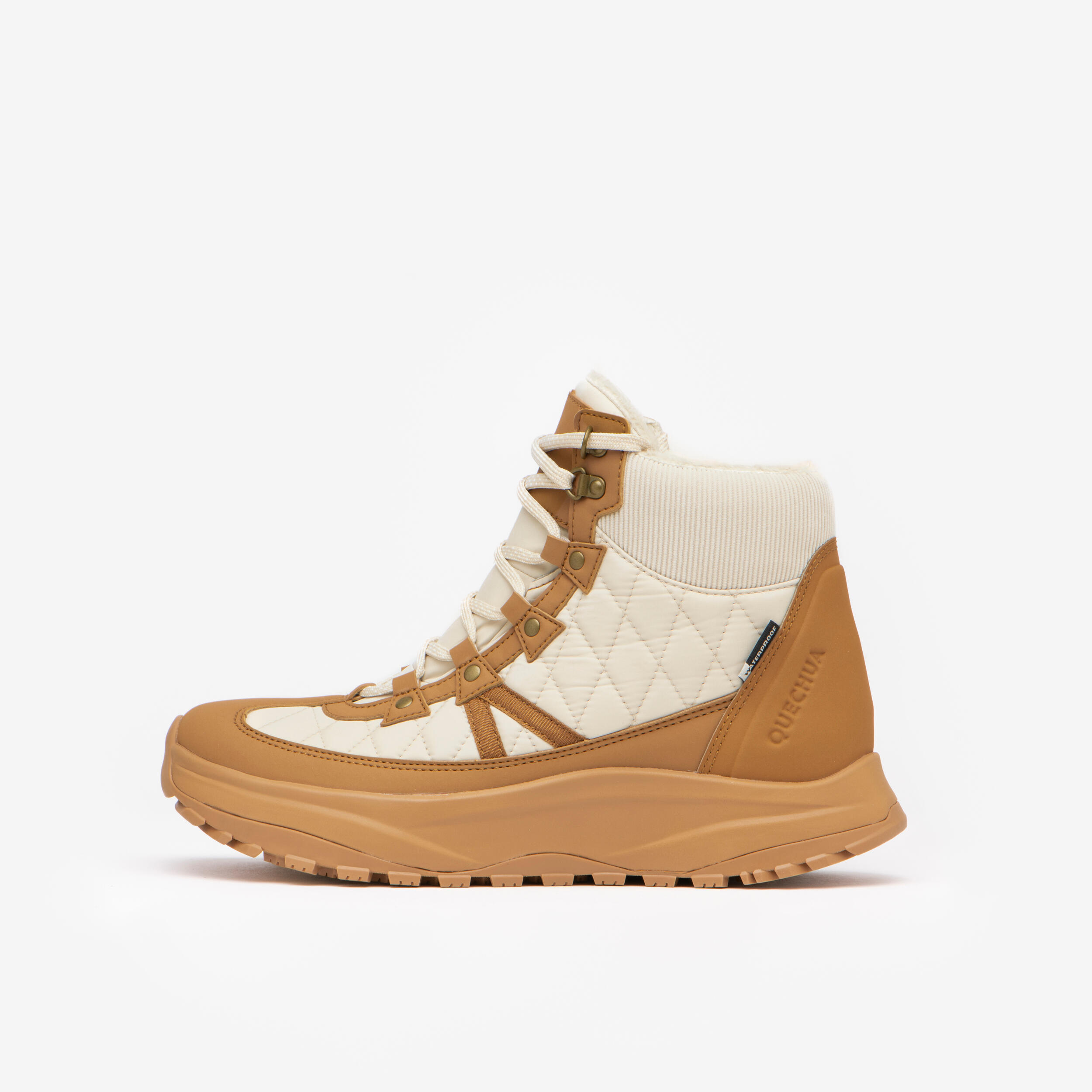
Are they warm enough for winter?
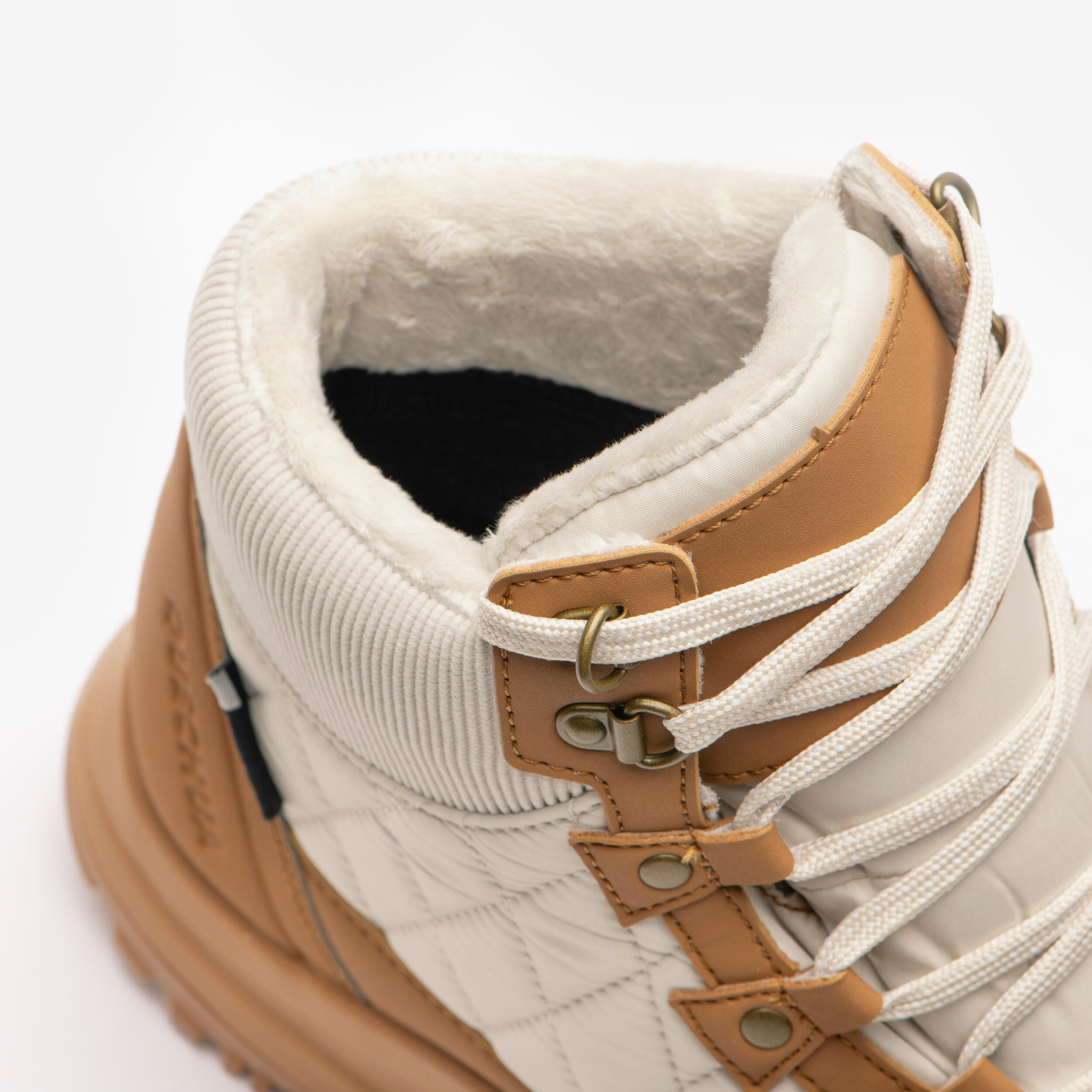
The combination of the insulating insole and padded upper provide effective comfort in the cold.
First tested in the laboratory and then in the field with a variety of users, the comfort temperature of our boots varies from -8°C when static to -17°C on the move
Do they protect your feet in all conditions?
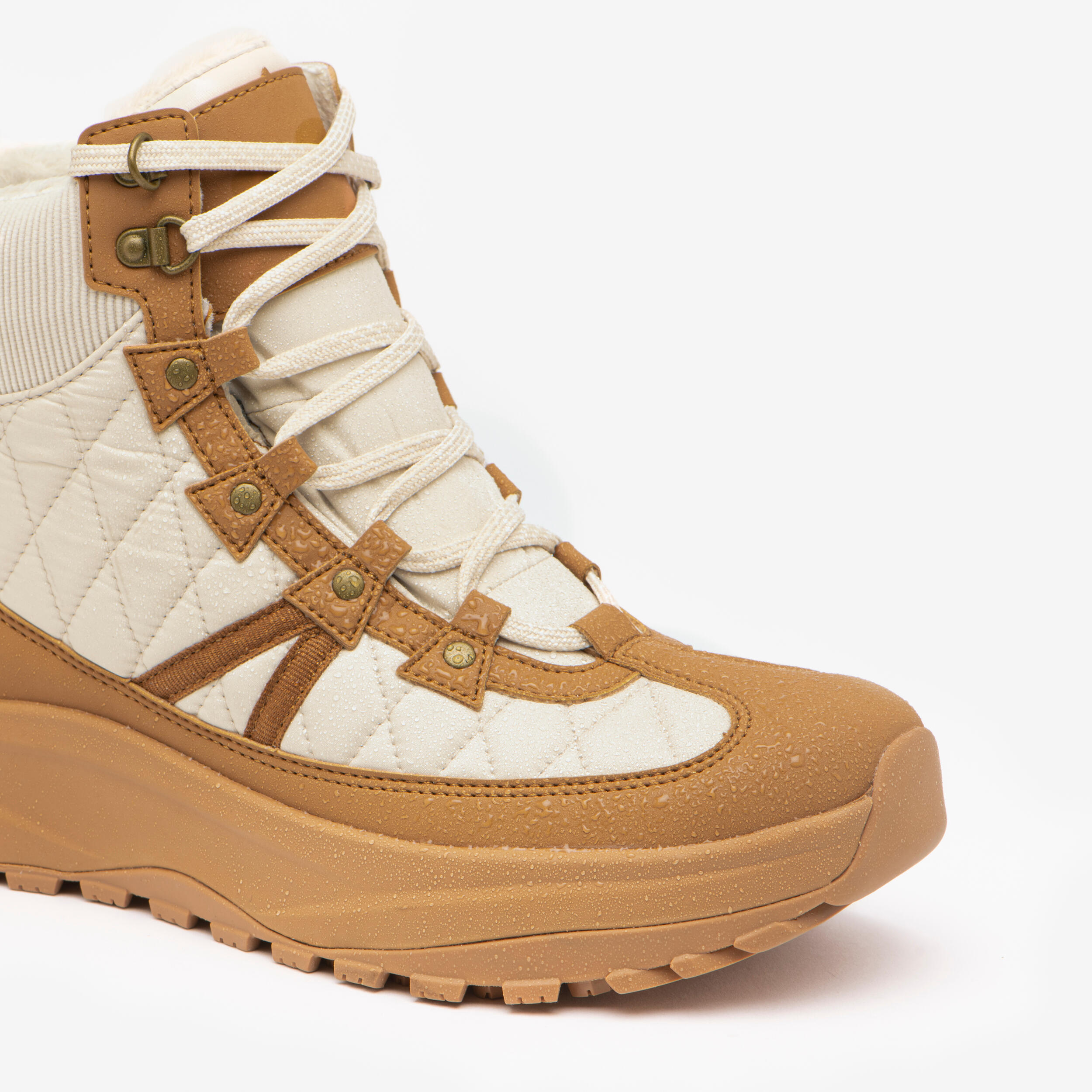
Protecting you from the cold, snow and rain, our boots include a thin waterproof membrane that keeps your feet dry while allowing them to breathe. In addition, its midsole insulates from the cold of the contact with the snow, so you can walk in complete confidence
What is thermal comfort?
The thermal comfort of your boot keeps your feet warm while maintaining air circulation to prevent build-up of moisture. Designed for regular use, their waterproof membrane wicks away moisture while preventing water from getting in
Are they 100% waterproof?
We made sure that your shoes are waterproof thanks to tests carried out in the lab, simulating half immersed feet in water, use and ageing on the pitch
Grip or traction? The differences
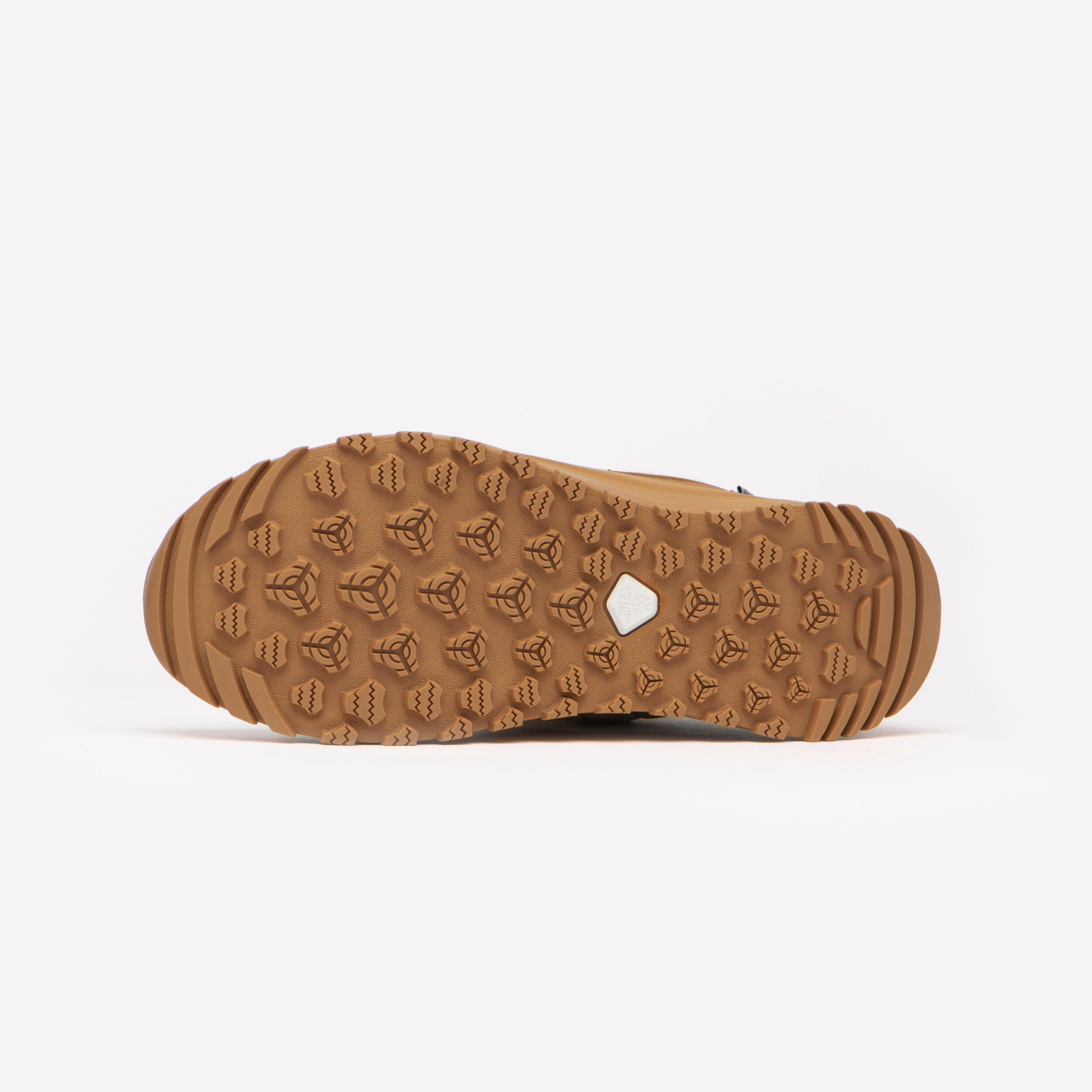
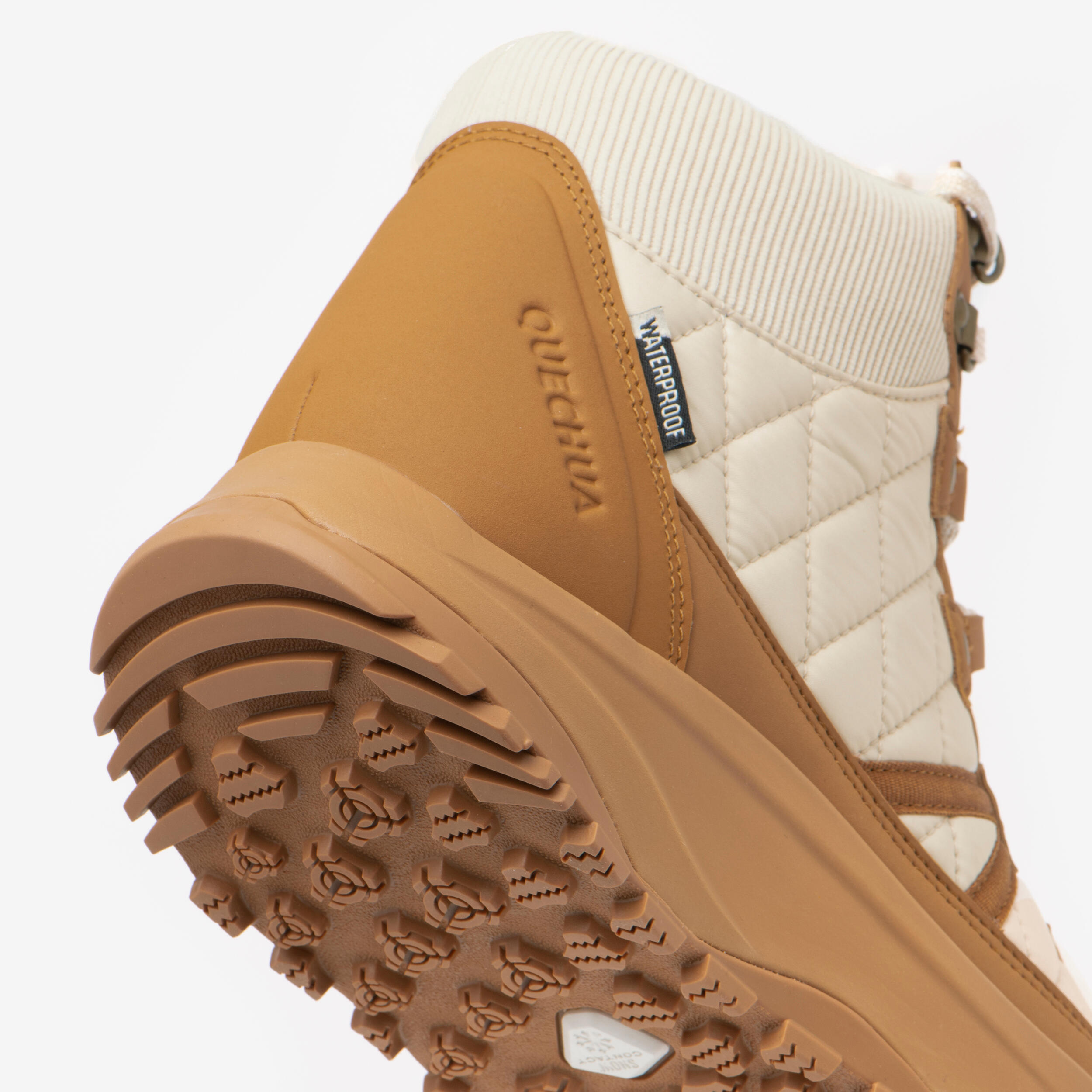
For grip, think of the crampons on the boots as claws that grip the ground when climbing.
For traction, the grooves under the soles act like car tyres, keeping you stable on slippery ground! With these boots, you can tackle winter terrain like a pro!
What does SnowContact technology offer?
The combination of non-slip components and the specific design of the studs ensure good grip and traction on snow. The studs are positioned and precisely designed to grip the snow and evacuate water. However, for use on ice, add non-slip grips
What to wear for a hike in the snow
Here are our tips for braving the winter:
- Wool socks for maximum warmth,
-Breathable socks adapted to every adventure to keep your feet dry,
-Choose a pair suited to the height of the upper (mid-height or high)
Our tips on use and care
Shoes can become heavy while they’re being worn in the wet (condensation and perspiration)
If your boots are very wet, we advise you to remove the insole, fill the upper with balls of newspaper and change them regularly. The paper will pump out moisture and speed up drying.
Never place your shoes too close to a heat source but leave them in a warm, dry and ventilated place.