Suitability
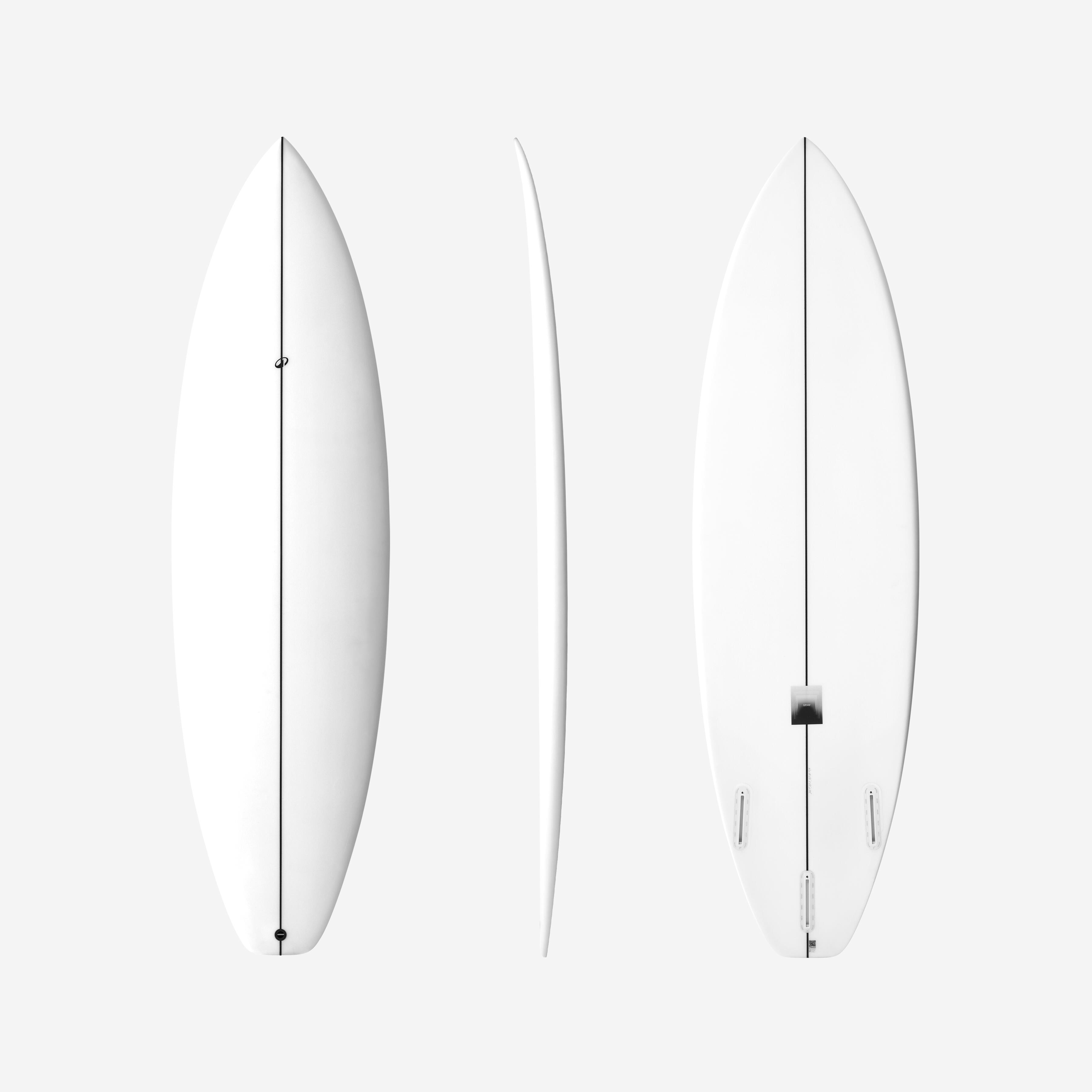
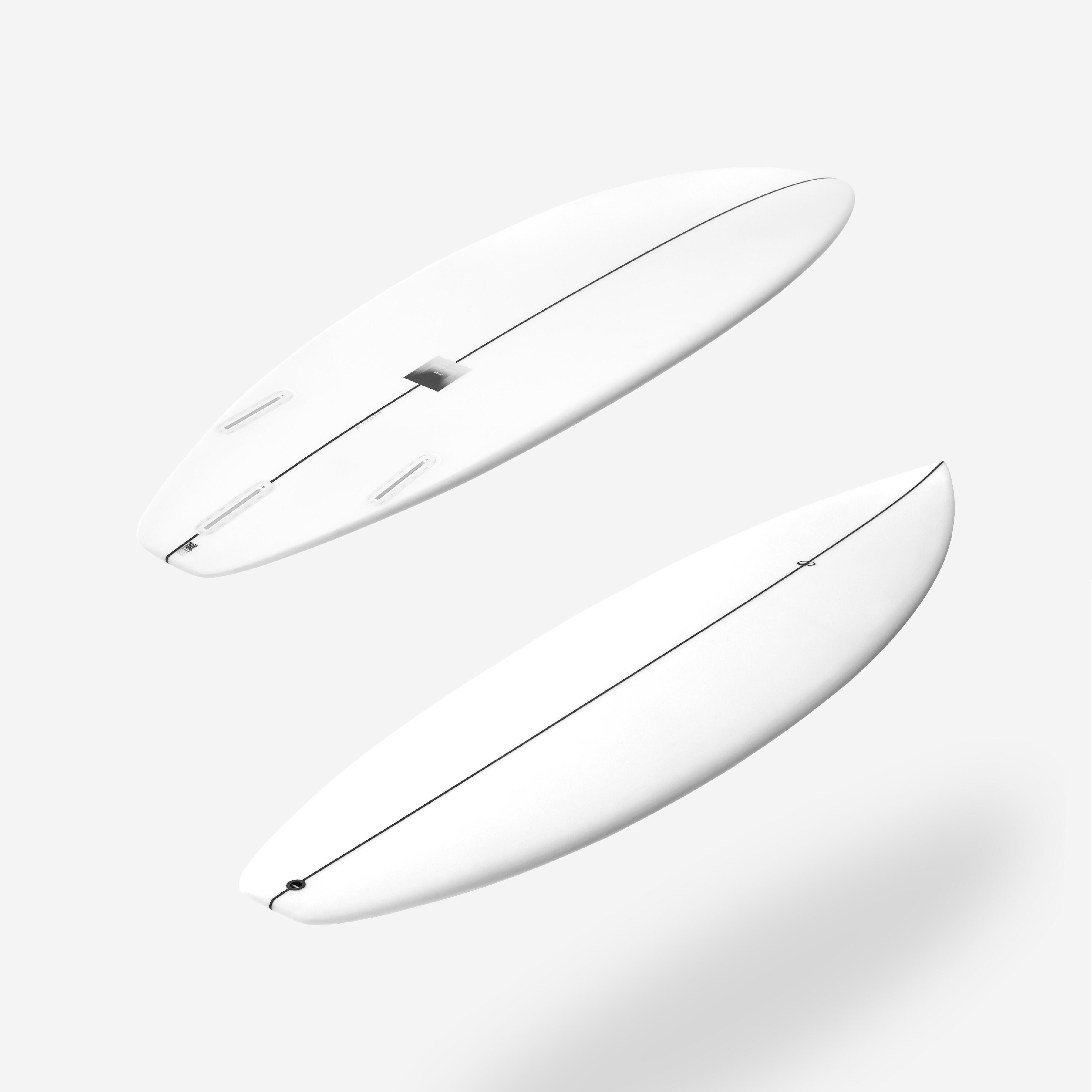
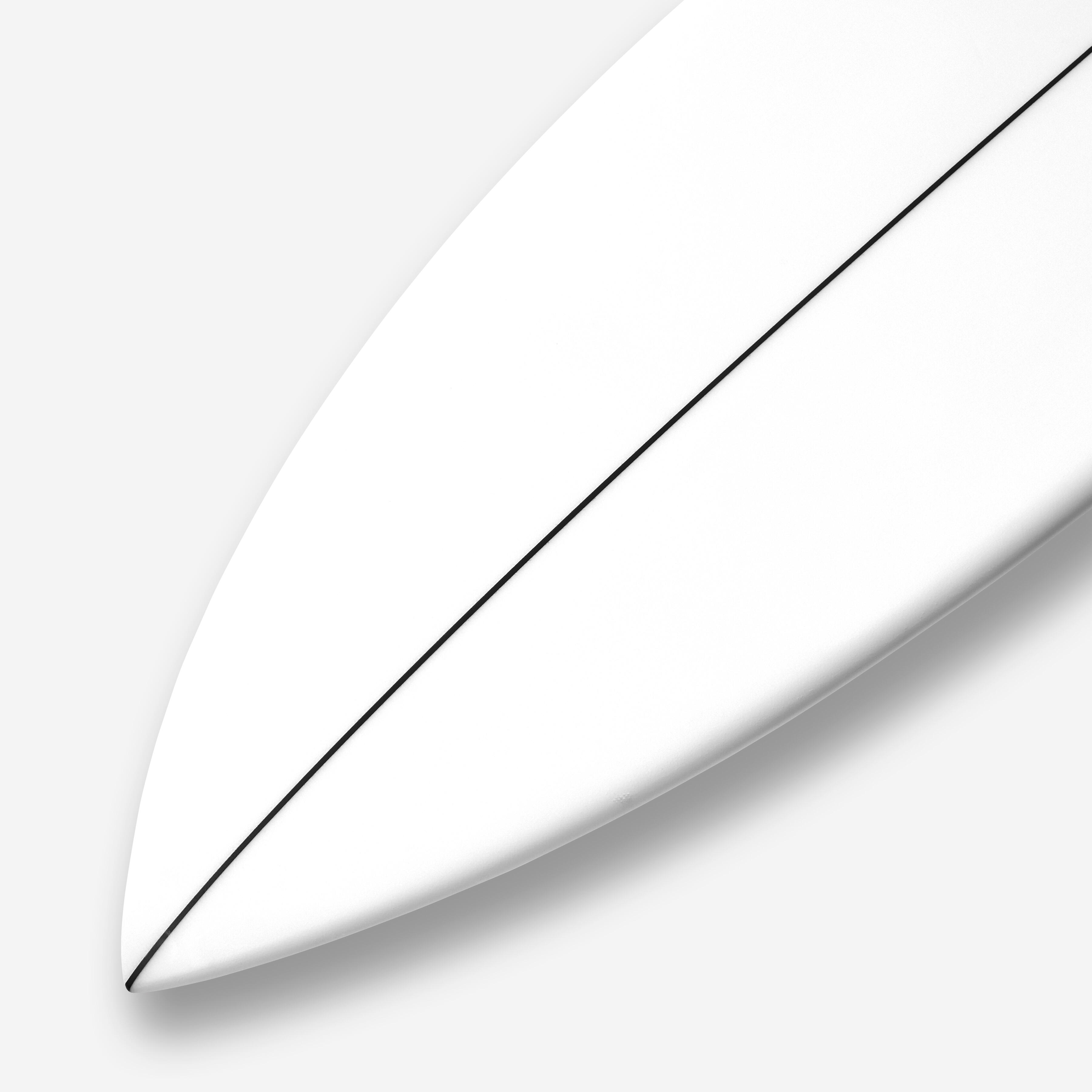
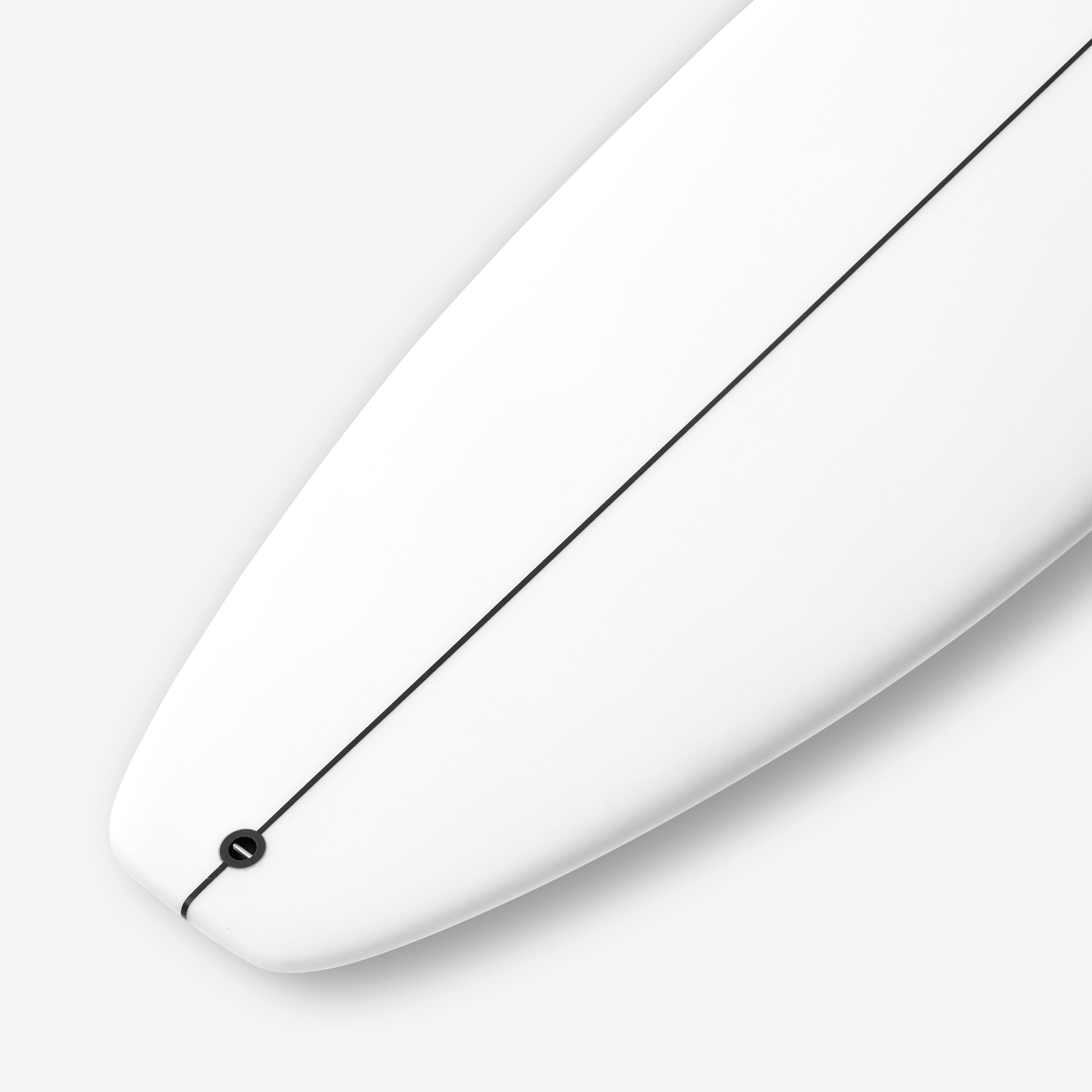
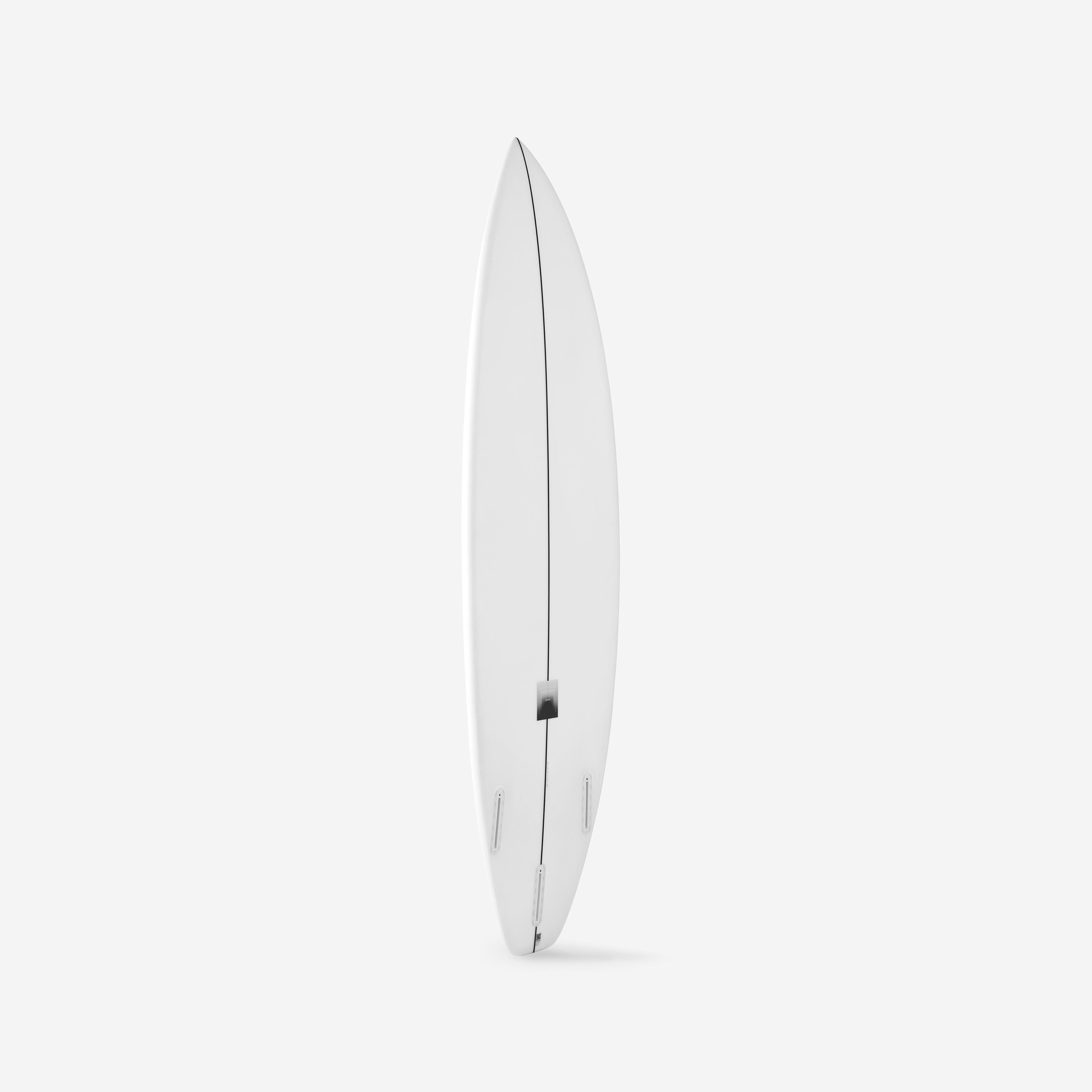
A performance-oriented shortboard surfboard, ideal for powerful waves ranging from 70 cm to 2 m (hip to head height). Its squash tail will get you through soft sections while forgiving errors to a maximum. If you are a shortboarder, this is the basic board in your quiver, usable in a wide range of conditions.
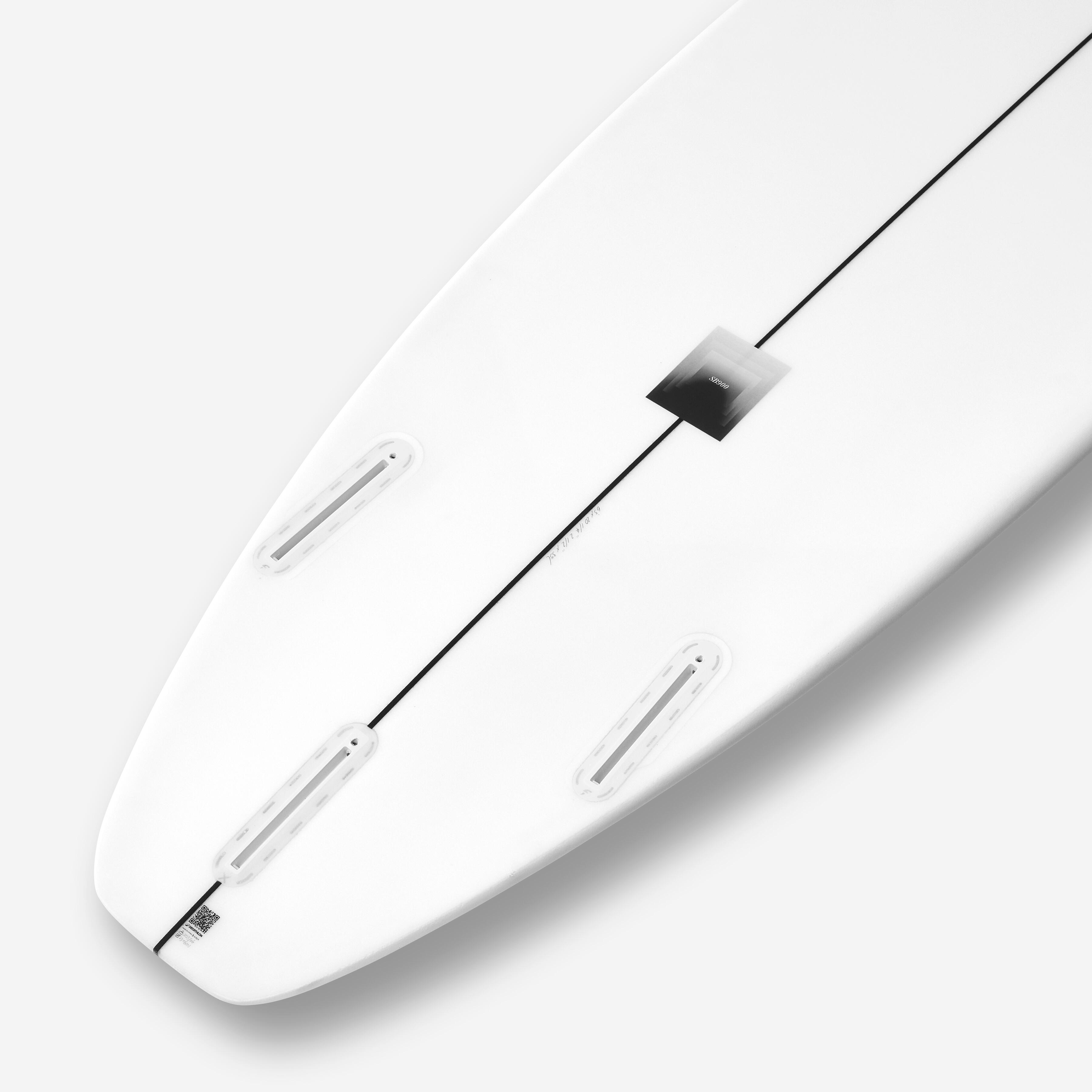
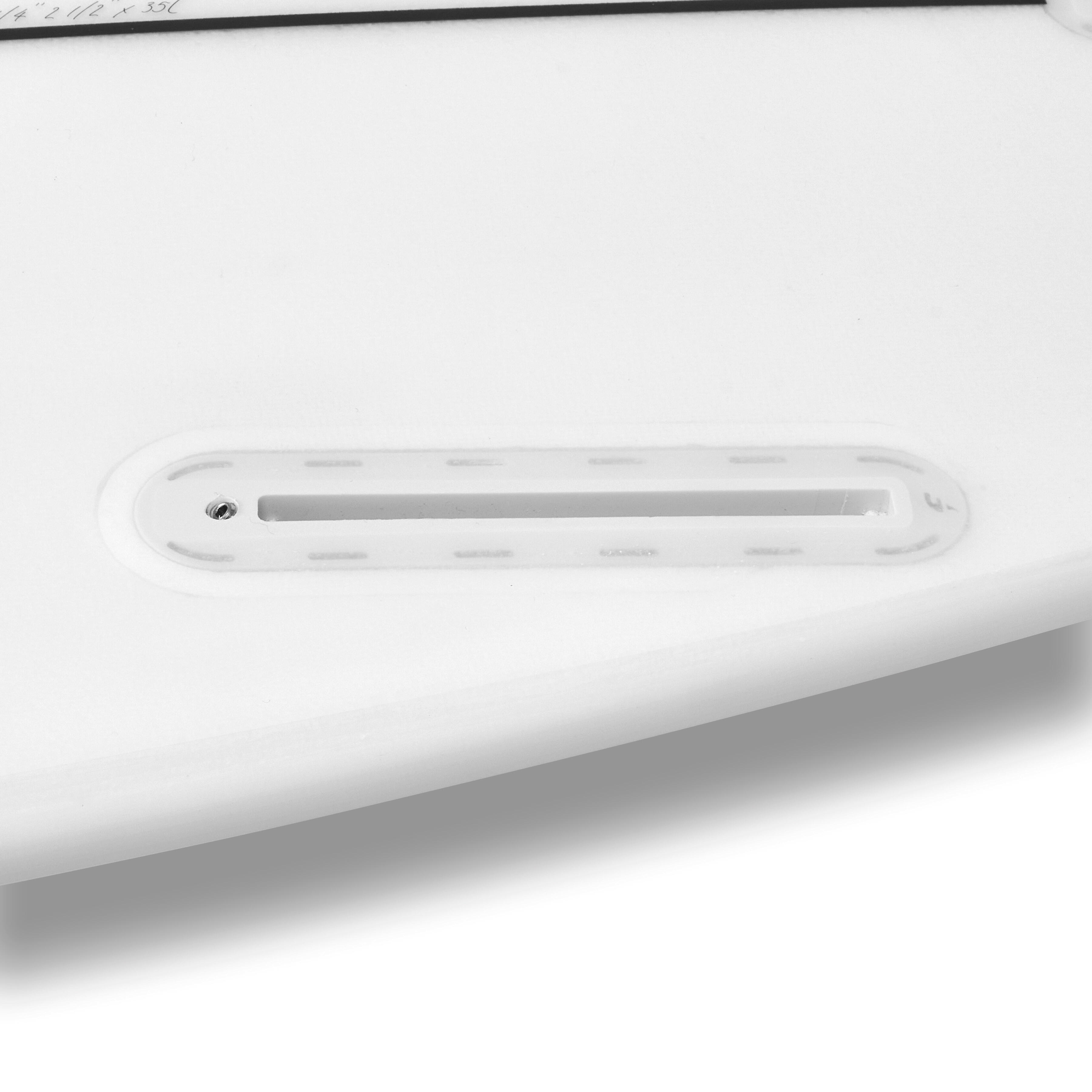
Supplied without fins. Future boxes .
Stabilisers available for purchase in sizes M or L.
Dimensions
5’5” X 18” X 2”2 - 165 cm X 45.7 cm X 5.6 cm - 24 L - 2.6 kg
5’10 X 19 3/4” X 2 3/8” - 178 cm X 50 cm X 6 cm - 30 L - 3 kg
6’1 X 20” X 2”5 - 185.4 cm X 50.8 cm X 6.3 cm - 33 L - 3.1 kg
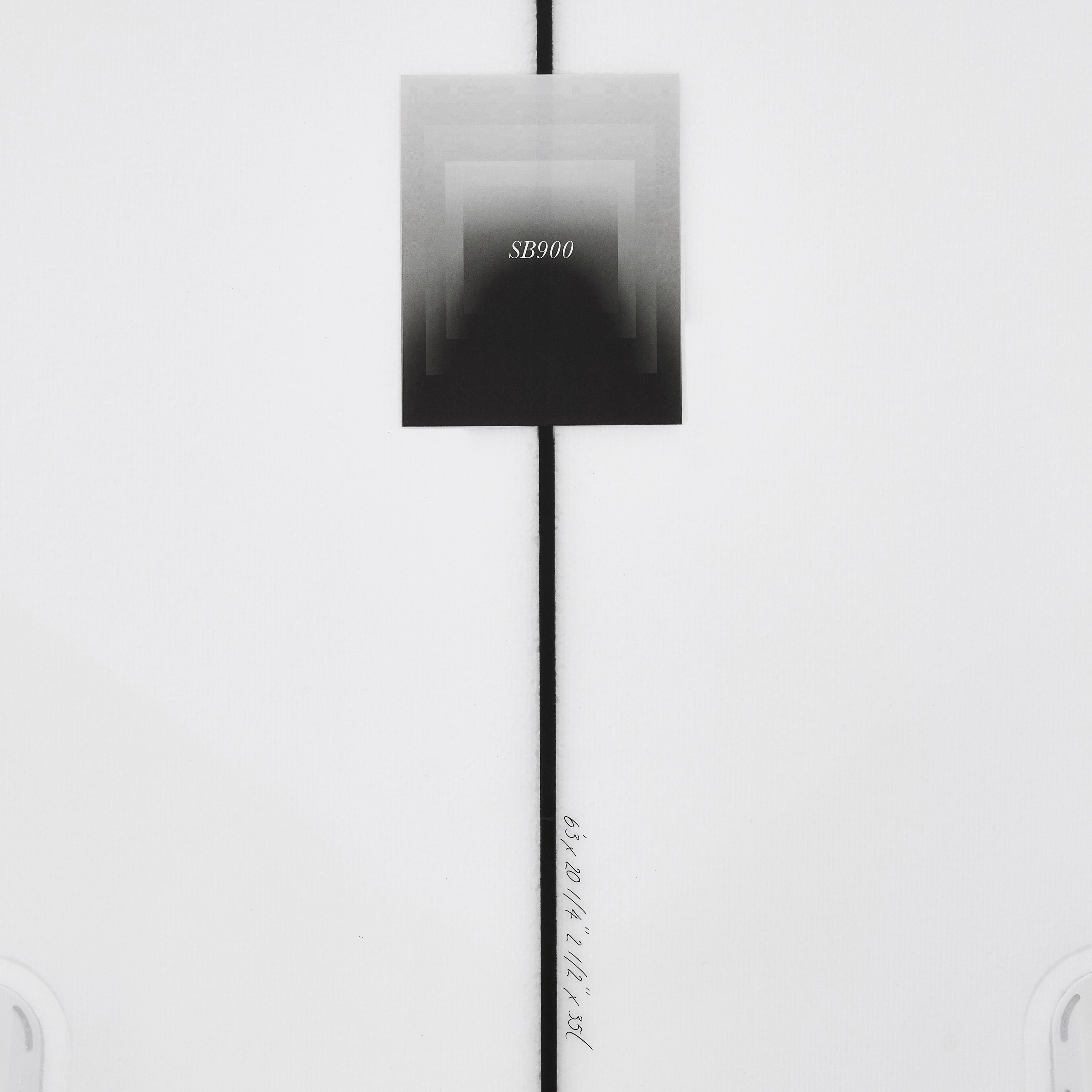
6’3 X 20.3”” X 2”5 - 190.5 cm X 51.4 cm X 6.4 cm - 35 L - 3.3 kg
Construction
Hand crafted from laminated epoxy resin with a slat in the middle for improved bending resistance.
EPS (Expanded Polystyrene) foam base 30 kg/m3.
Top: 3 fibreglass layers (6 oz, 6 oz, 4 oz)
Bottom: 2 fibreglass layers (6 oz, 4 oz) on the back, 1 layer (6 oz) on the front
Rails: 2 6 oz fibreglass layers + rear reinforcement patches.
Tail: 2 fibreglass layers (6 oz, 4 oz) + Innegra reinforcement patches.
3 mm paulownia wood stringer.
Installation of the fins
1) ensure that the small side screws are unscrewed.
2) Clip the rear of the fin into the notch at the rear of the housing
3) Press to push the fin in horizontally.
4) Screw each screw to the fin. Be careful not to over-tighten as this could damage the fin.
For dismantling: Unscrew the screws using the spanner provided.
Safety precautions
Be careful, prolonged exposure to the sun or high temperatures can damage your surfboard. We recommend storing your board in the shade and not inside a vehicle. Check regularly: leash, leash cord, fin attachment, and any dings that could let water in.
If you need to strap the board to a roof rack: we recommend putting the board in a bag. The strap may damage the rail.
Repair
The key is to prevent water from getting into the foam of the board. If your board gets a ding during a session, it is important to get out of the water and rinse it with fresh water.
For EPOXY resin boards, repair only with EPOXY resin: Dry, sand, apply the resin, then sand again once it has cured. For the best, most discreet repair, we strongly recommend taking your board to a shaper who specialises in ding repairs.