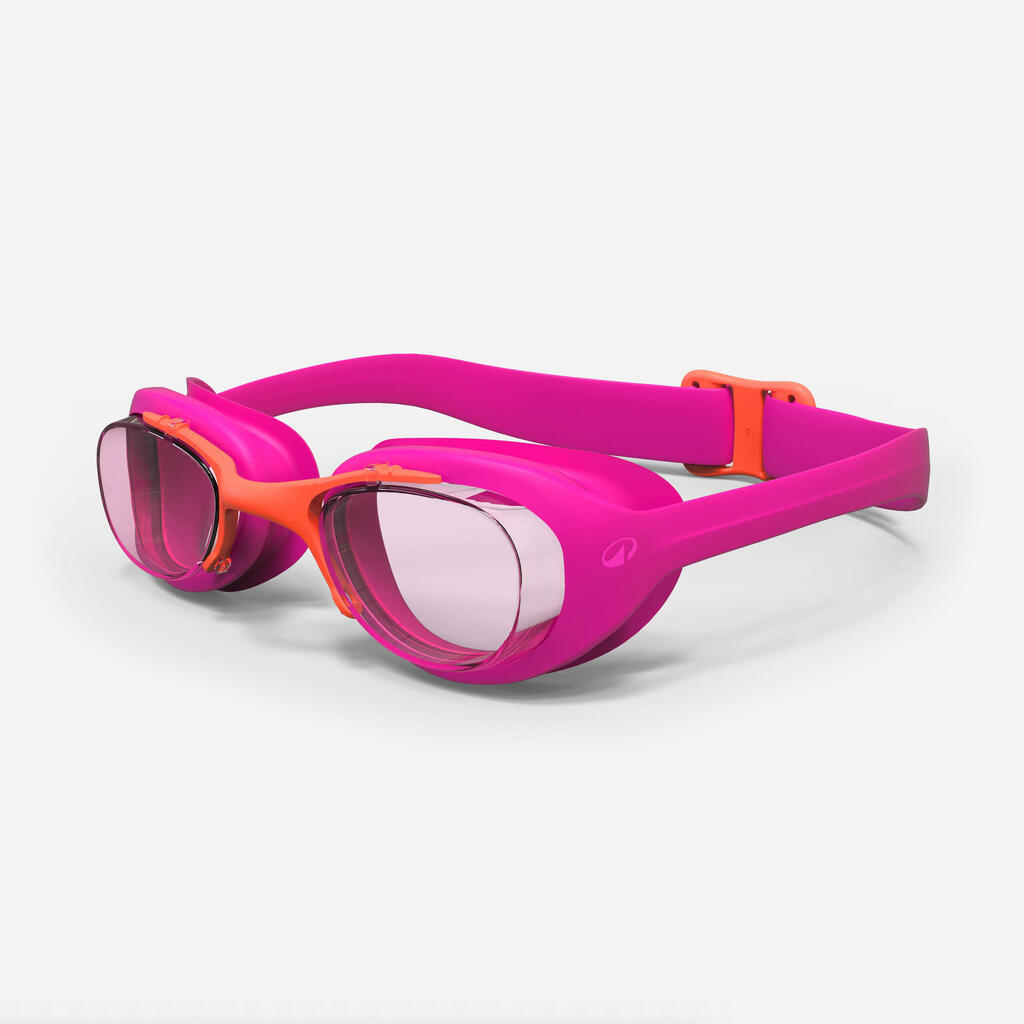
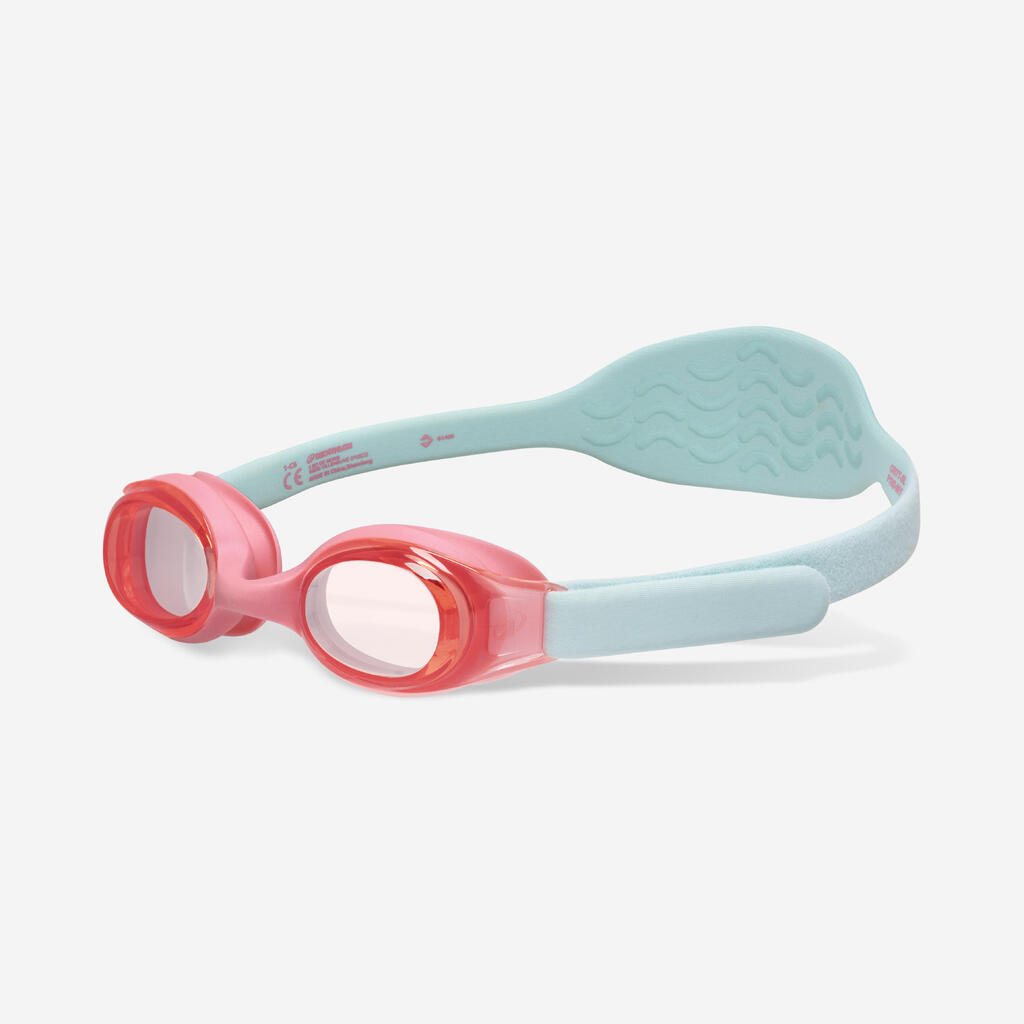
DECATHLON Swimming goggles XBASE - Clear lenses - Kids’ size - Pink orange 4.7 4.7 out of 5 stars from 5658 reviews (5658) 2 colors Current price €3.99 €3.99
DECATHLON Kids’ swimming goggles, Xbase blue tinted blue orange 4.7 4.7 out of 5 stars from 765 reviews (765) 2 colors Current price €5.99 €5.99
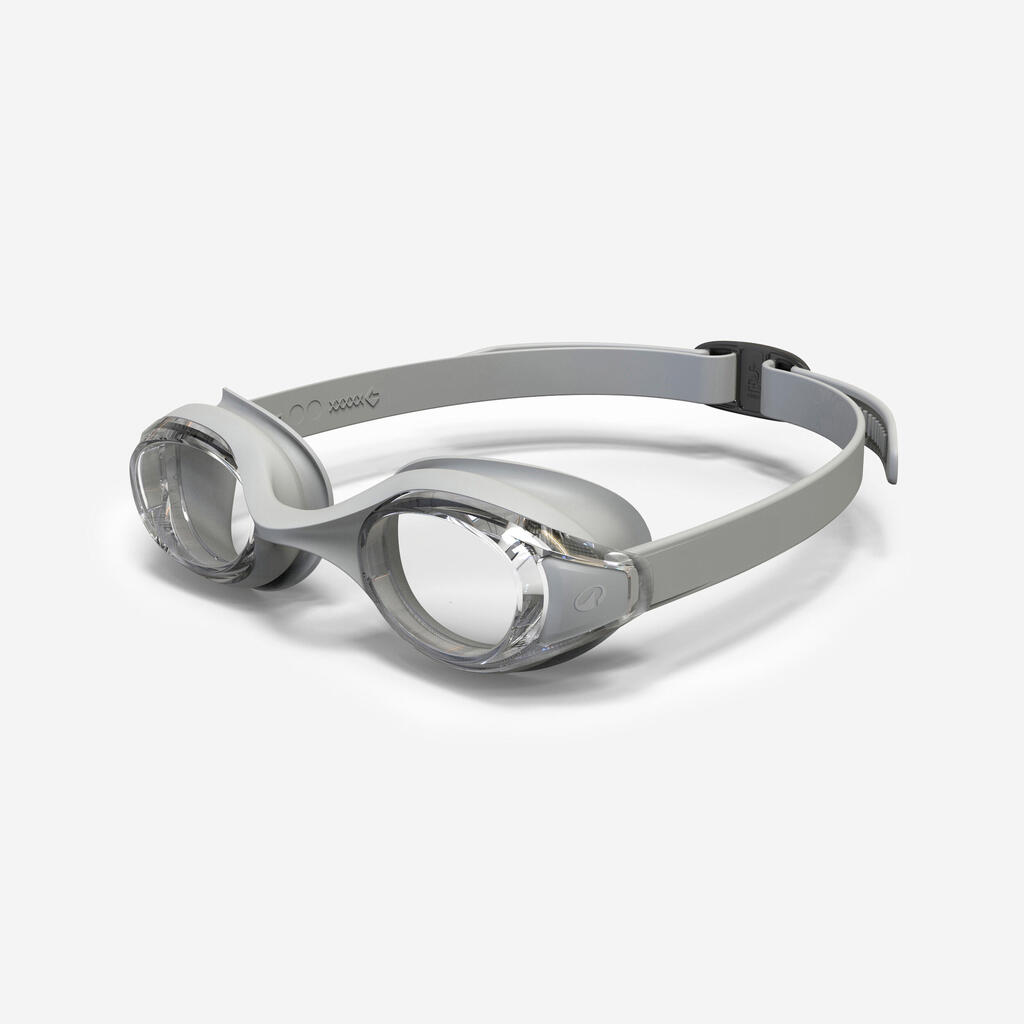
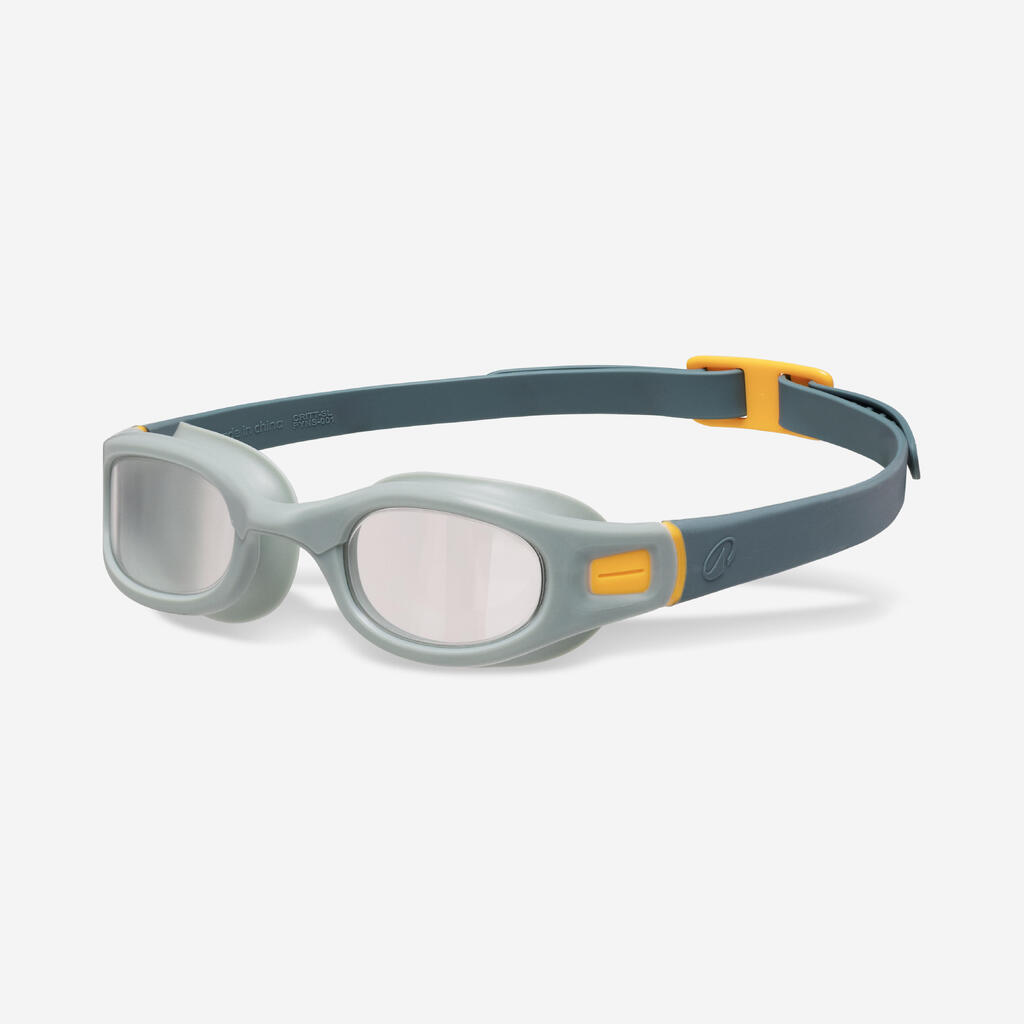
DECATHLON One size swimming goggles with clear lenses, ready grey 4.6 4.6 out of 5 stars from 1161 reviews (1161) Current price €1.99 €1.99
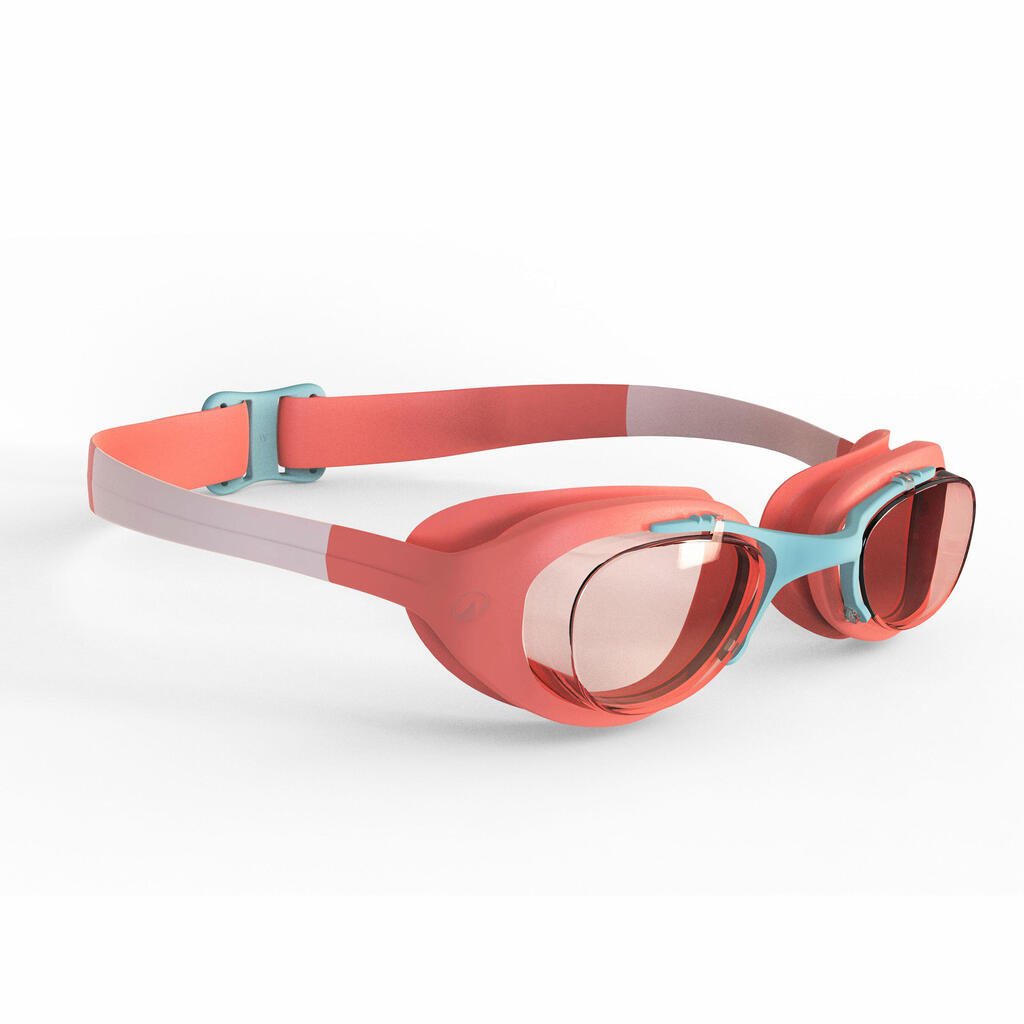
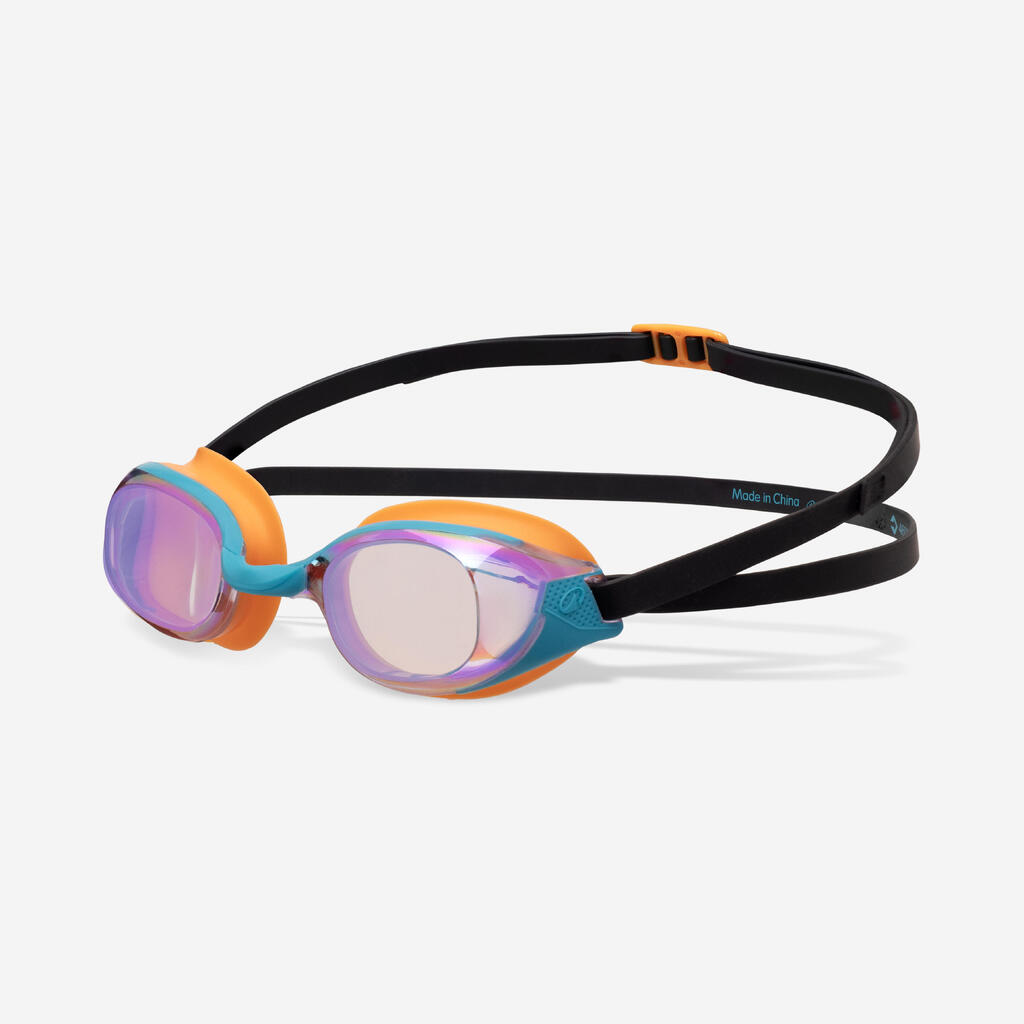
DECATHLON Kid’s swimming goggles, Xbase orange tinted pink orange blue 4.7 4.7 out of 5 stars from 765 reviews (765) 2 colors Current price €5.99 €5.99
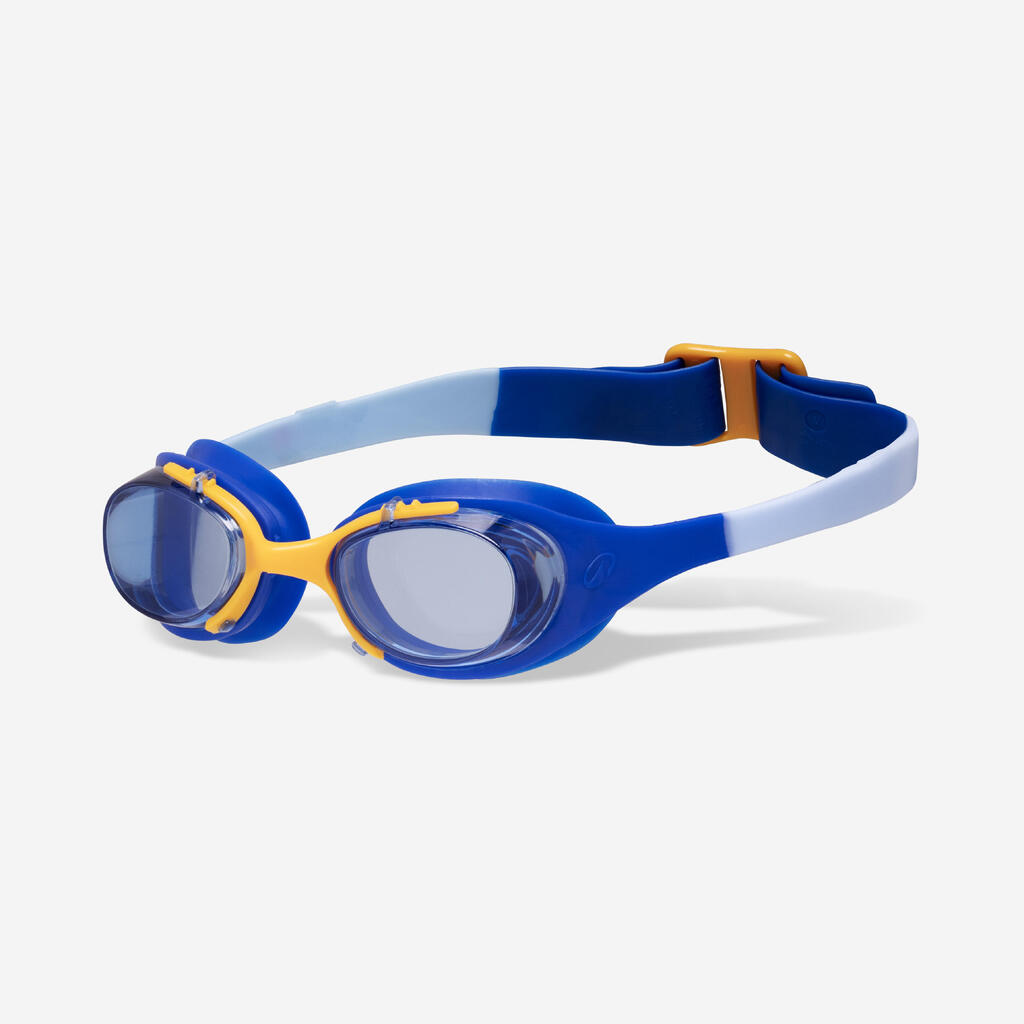
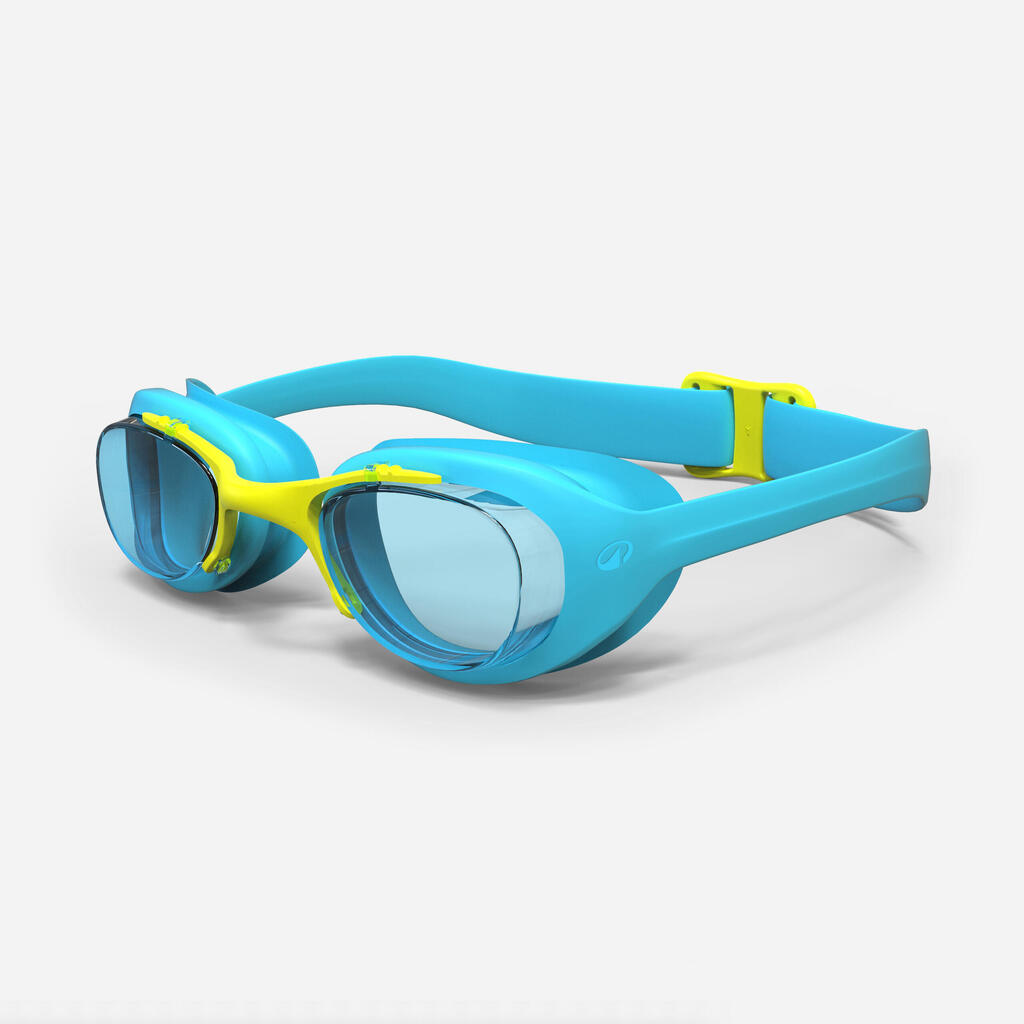
DECATHLON Swimming goggles XBASE - Clear lenses - Kids’ size - Blue yellow 4.7 4.7 out of 5 stars from 5658 reviews (5658) 2 colors Current price €3.99 €3.99
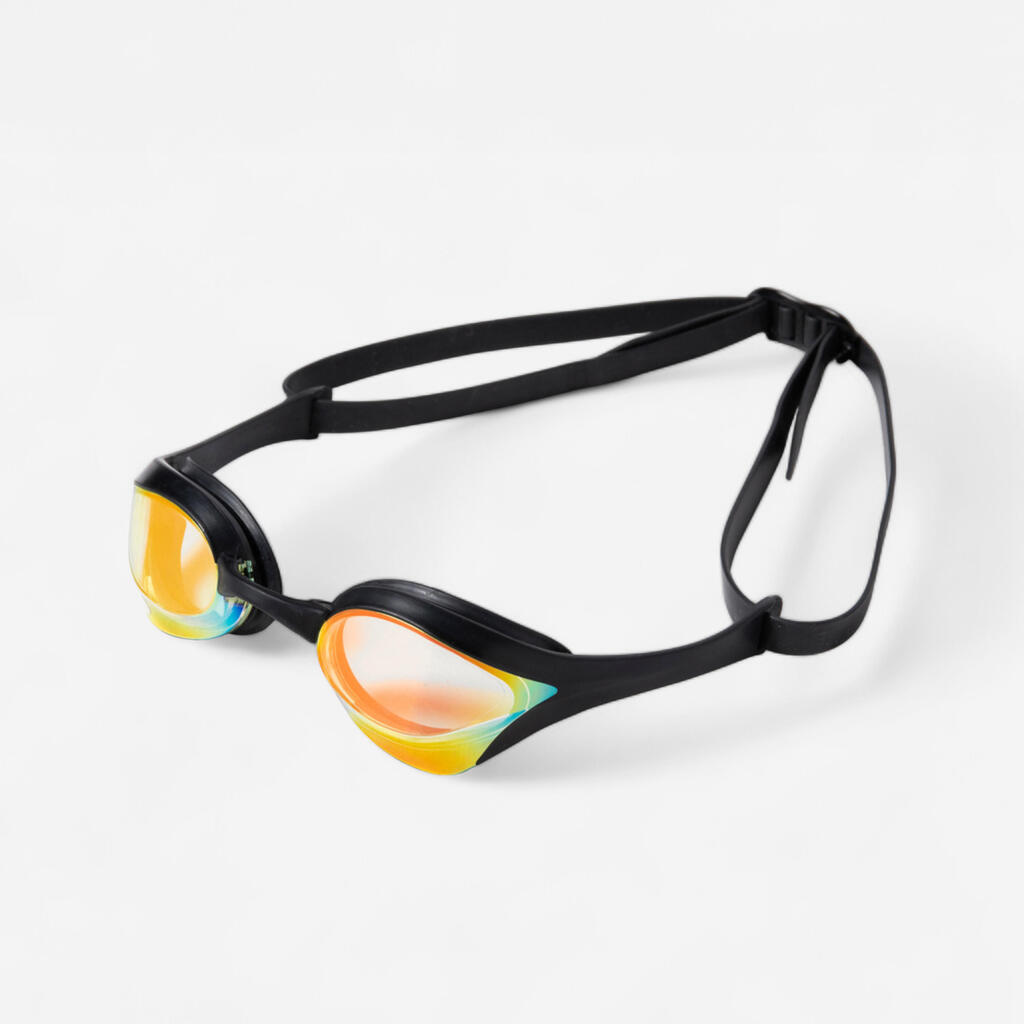
ARENA Swimming goggles ARENA COBRA ULTRA SWIPE mirror gold 4.7 4.7 out of 5 stars from 119 reviews (119) Current price €54.99 €54.99
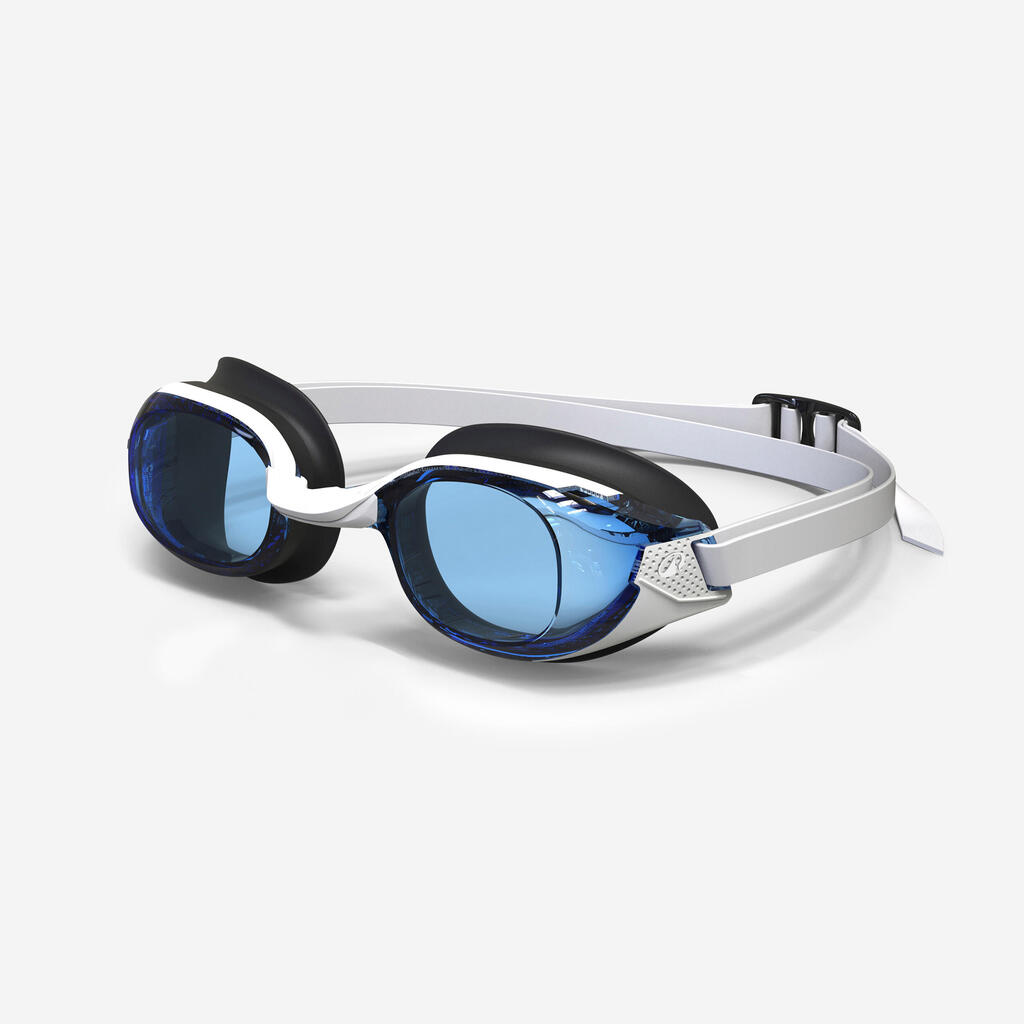
DECATHLON Swimming goggles One Size Fits All - Bfit white tinted blue - New anti-fog 4.7 4.7 out of 5 stars from 1174 reviews (1174) 5 colors Current price €19.99 €19.99
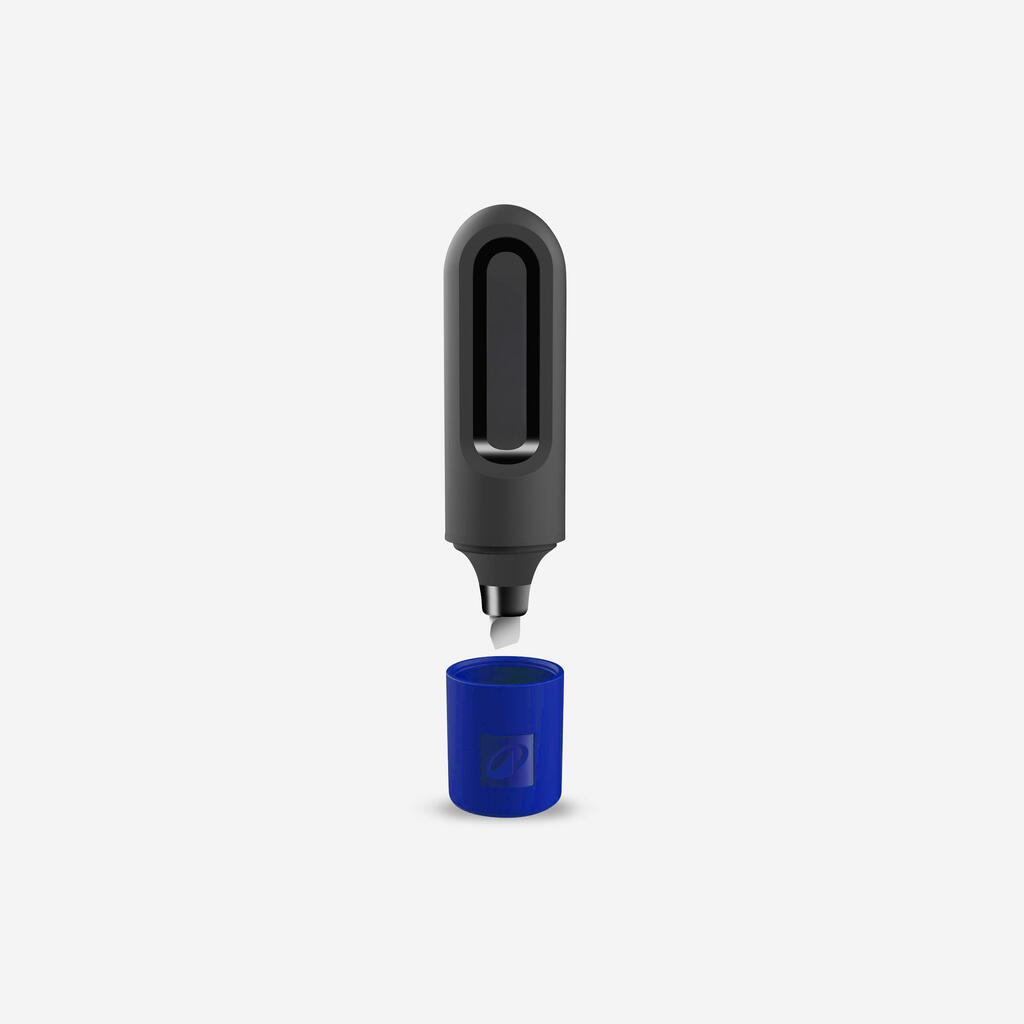
DECATHLON Anti-fog re-activator for swimming goggles and swimming pool masks 4.7 4.7 out of 5 stars from 453 reviews (453) Current price €4.99 €4.99
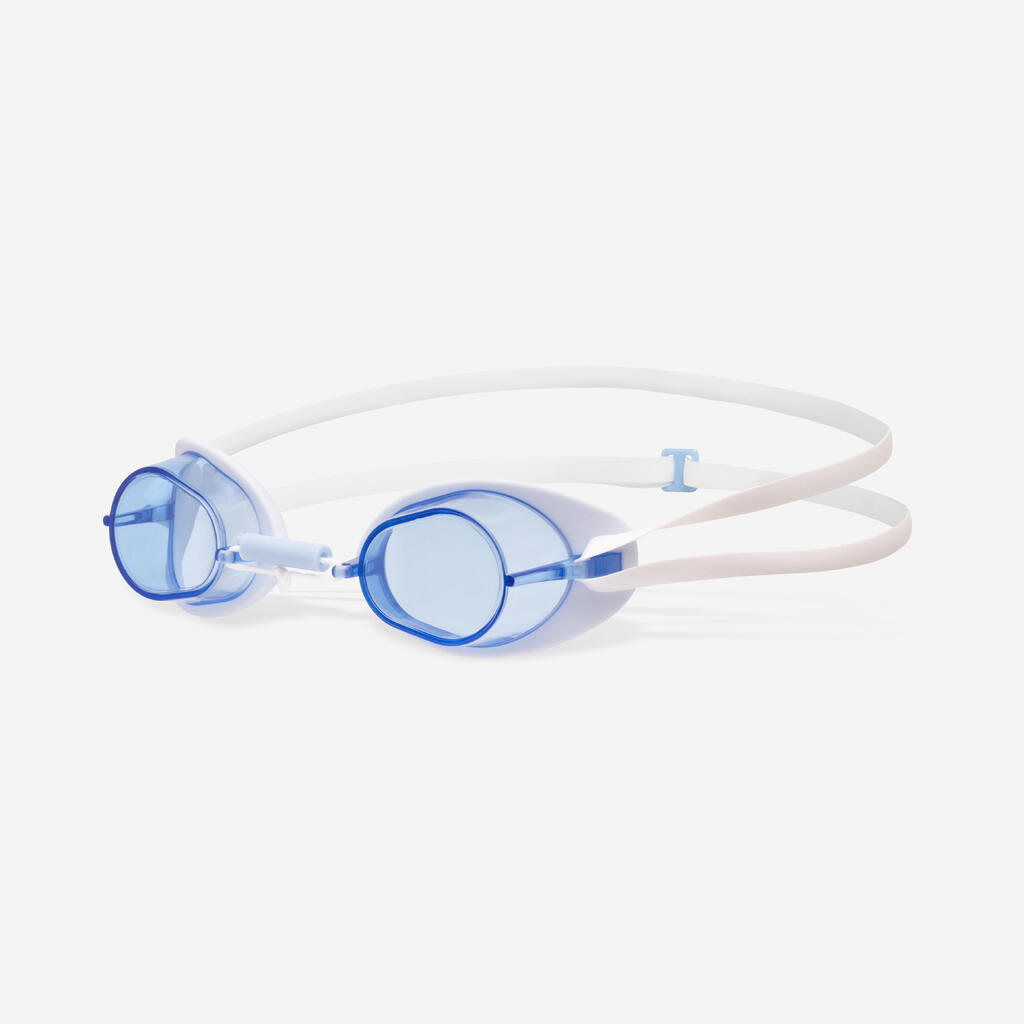
DECATHLON Swimming goggles Swedish - Tinted lenses - one size - blue white 4.2 4.2 out of 5 stars from 366 reviews (366) 2 colors Current price €7.99 €7.99
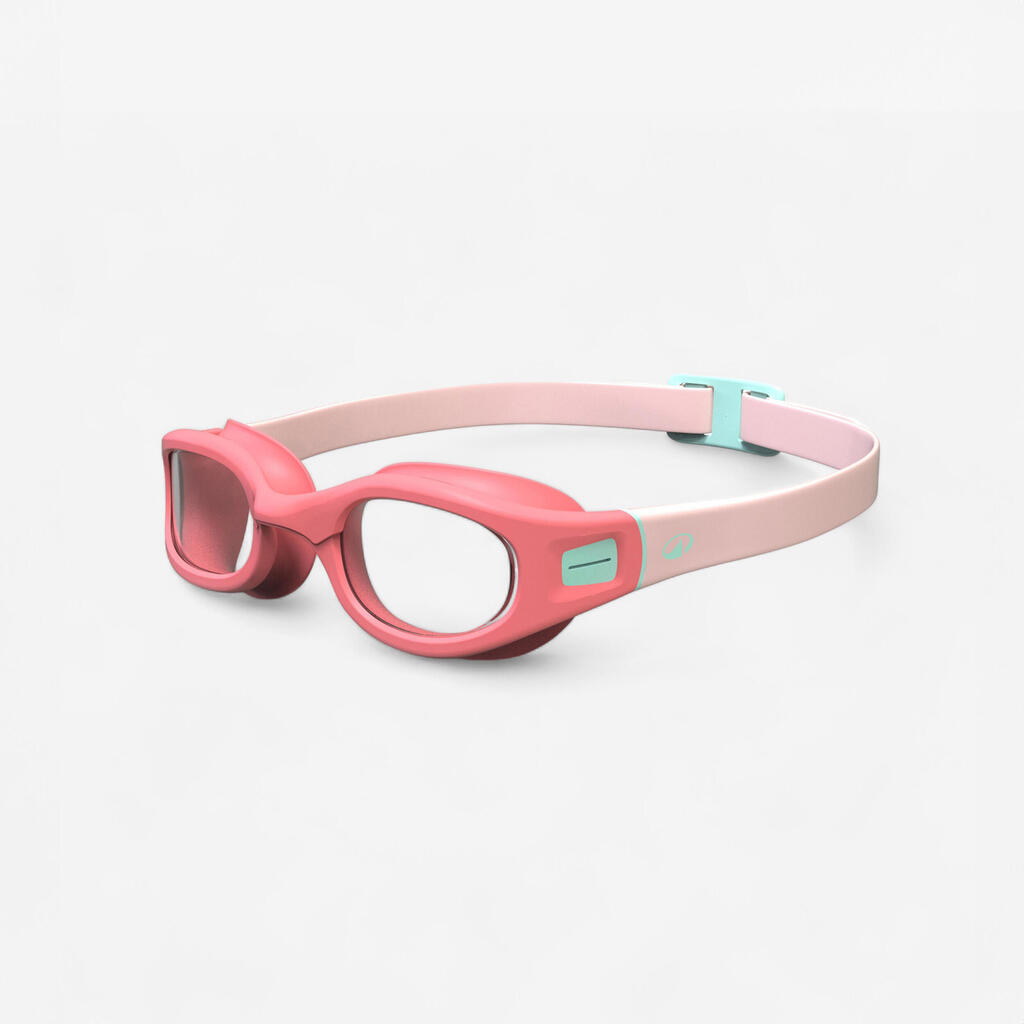
DECATHLON Swimming goggles SOFT - Clear lenses - Size small - Pink turquoise 4.7 4.7 out of 5 stars from 2331 reviews (2331) 3 colors Current price €9.99 €9.99
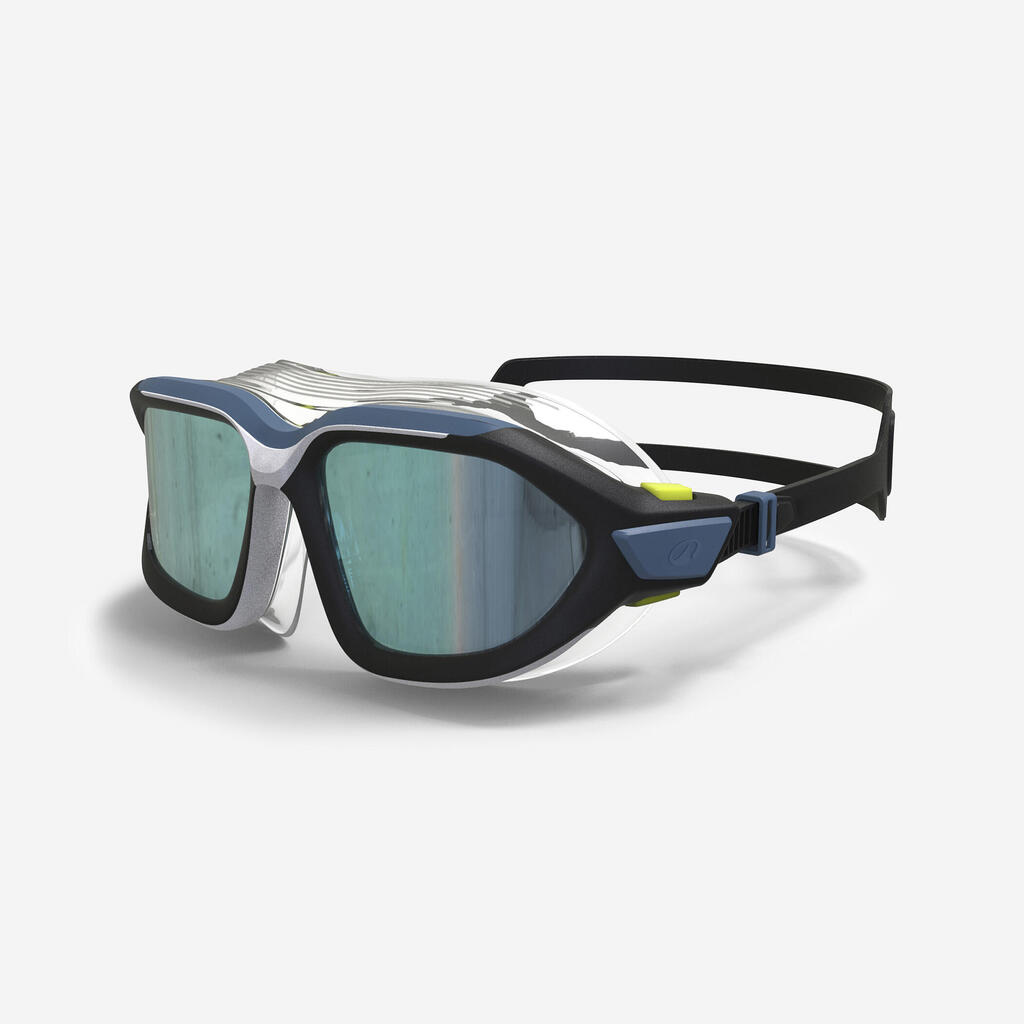
DECATHLON Swimming mask Active - Mirrored lenses - Size large - Black blue 4.3 4.3 out of 5 stars from 2028 reviews (2028) Current price €18.99 €18.99
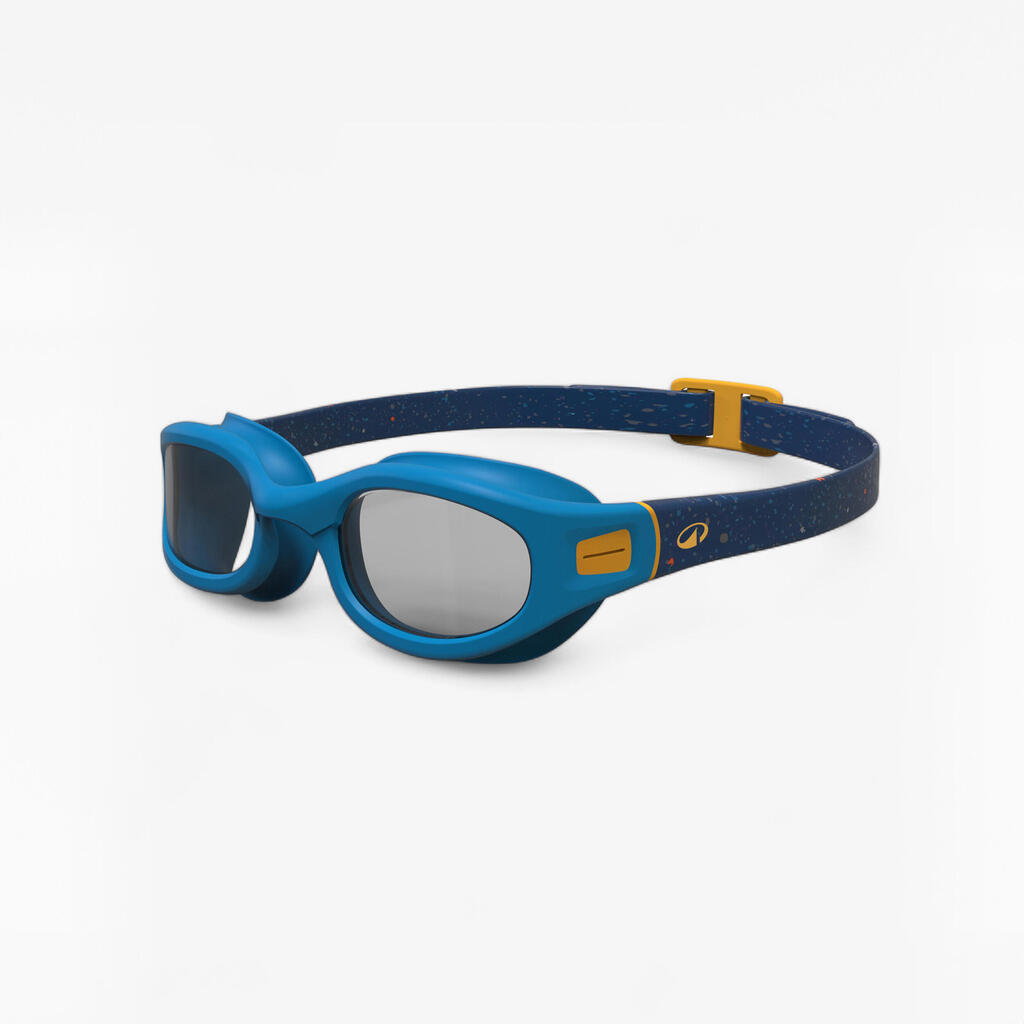
DECATHLON Swimming goggles SOFT - Clear lenses - Size small - Blue yellow 4.7 4.7 out of 5 stars from 2331 reviews (2331) 3 colors Current price €9.99 €9.99
DECATHLON Swimming goggles one size, Bfit orange mirror turquoise 4.7 4.7 out of 5 stars from 1174 reviews (1174) 5 colors Current price €18.99 €18.99
DECATHLON Swimming goggles soft - Clear lenses - Size small - green orange 4.7 4.7 out of 5 stars from 2331 reviews (2331) 3 colors Current price €9.99 €9.99
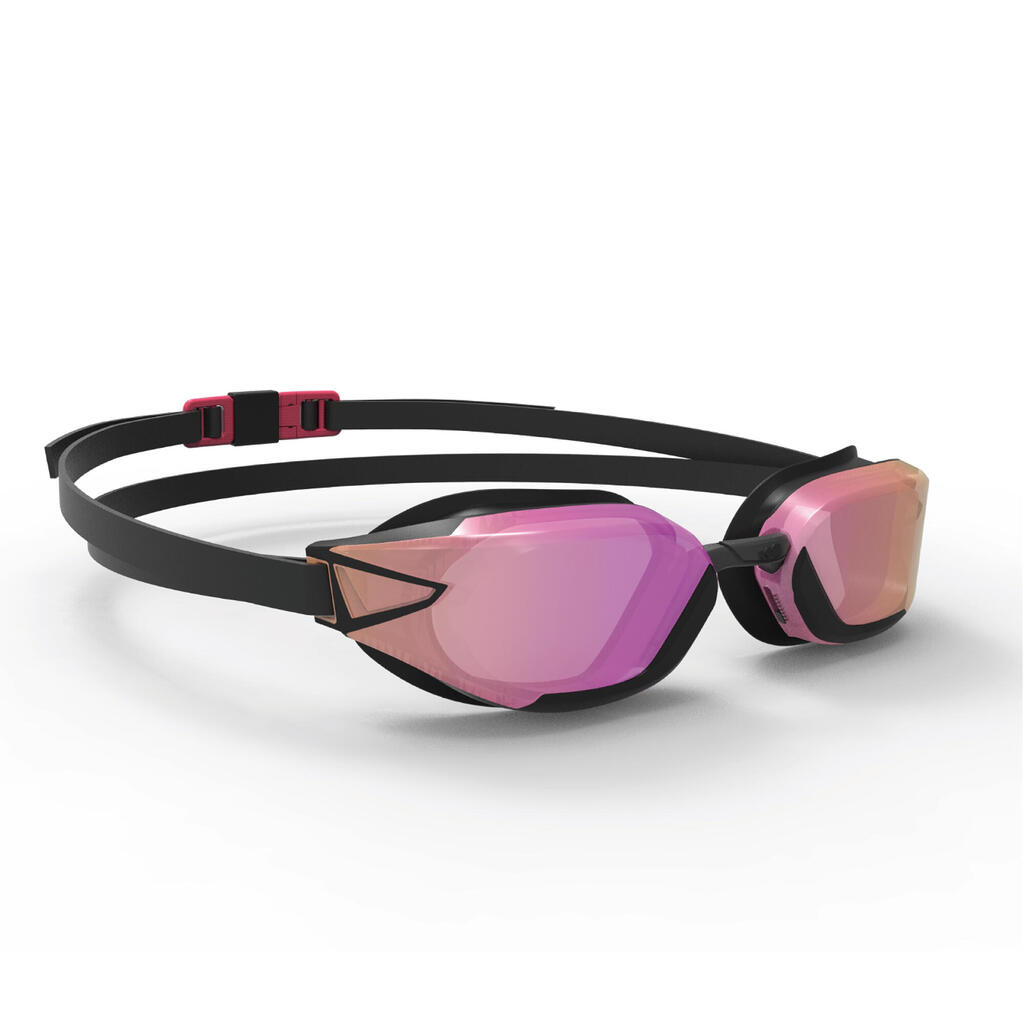
DECATHLON Swimming goggles One Size Fits All - Bfast black mirror pink - New anti-fog 4.6 4.6 out of 5 stars from 663 reviews (663) 3 colors Current price €27.99 €27.99
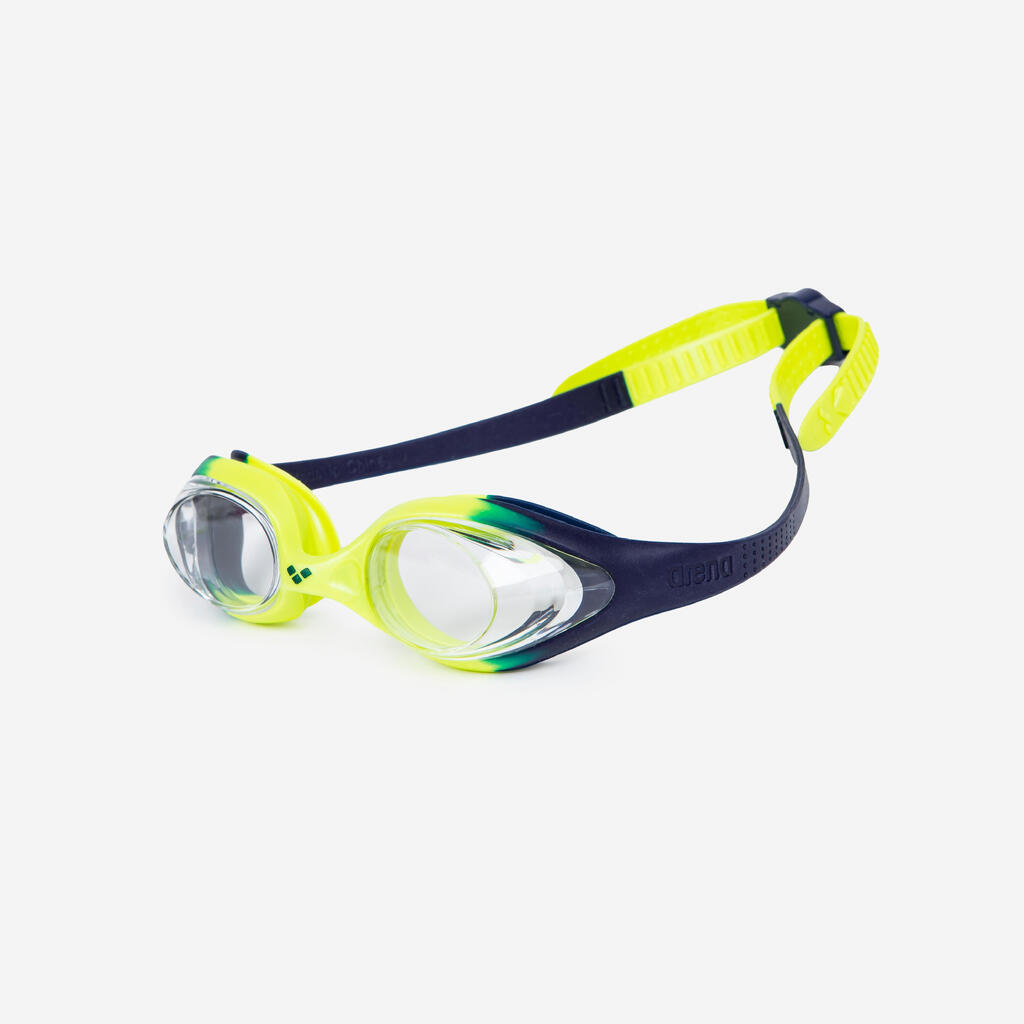
ARENA Kids’ swimming goggles clear lenses - Arena Spider Junior clear blue 4.7 4.7 out of 5 stars from 164 reviews (164) Current price €14.99 €14.99
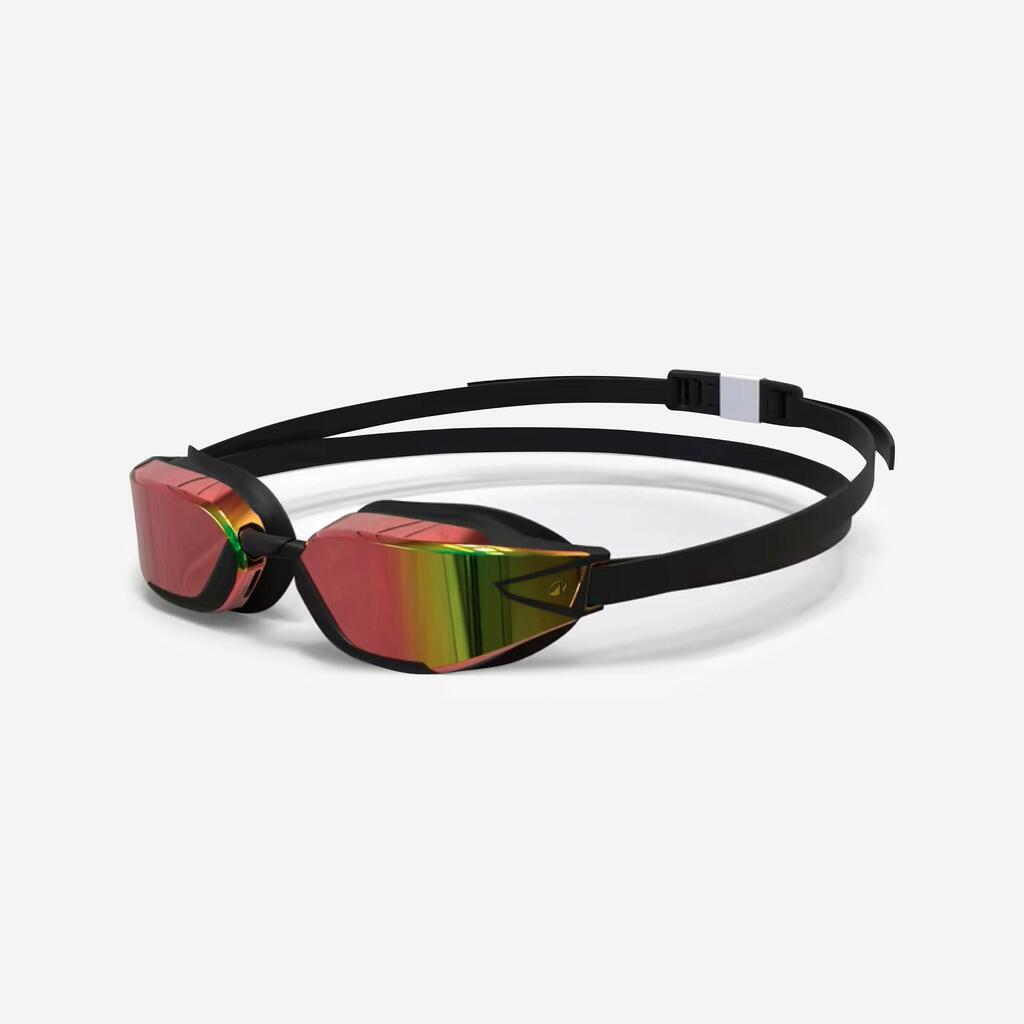
DECATHLON Swimming goggles One Size Fits All - Bfast black mirror Fire - New anti-fog 4.6 4.6 out of 5 stars from 663 reviews (663) 3 colors Current price €27.99 €27.99
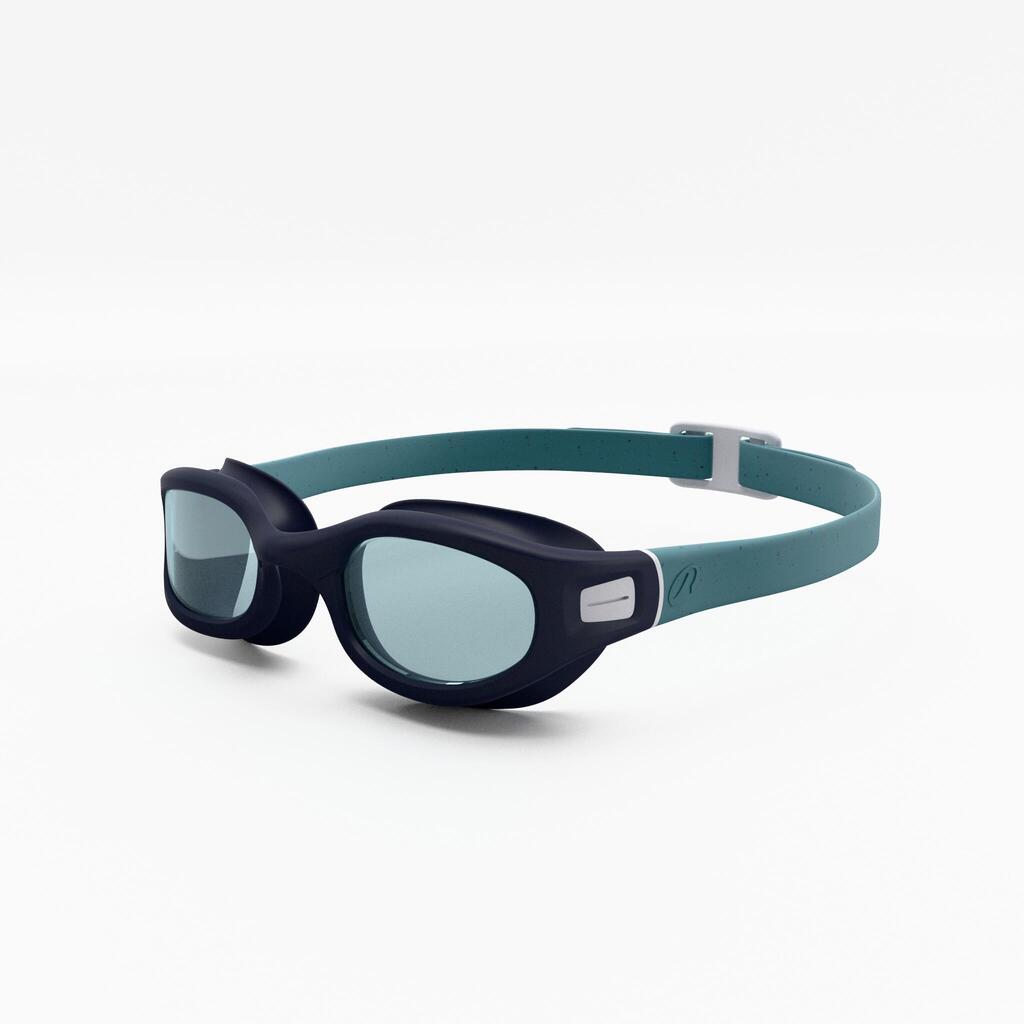
DECATHLON Swimming goggles Size L Soft green tinted turquoise 4.5 4.5 out of 5 stars from 3224 reviews (3224) 2 colors Current price €9.99 €9.99
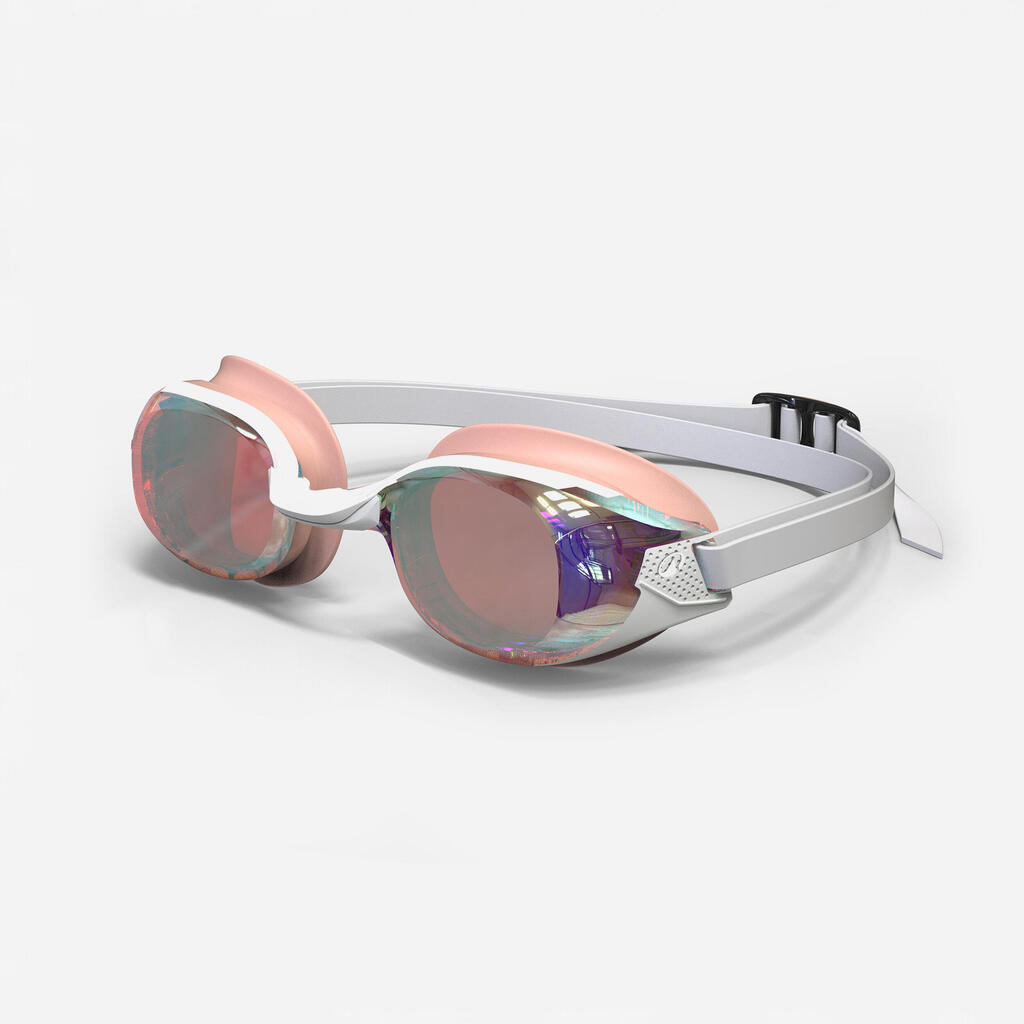
DECATHLON Swimming goggles One Size Fits All - Bfast white mirror pink - New anti-fog 4.7 4.7 out of 5 stars from 1174 reviews (1174) 5 colors Current price €19.99 €19.99
DECATHLON Swimming goggles, Kuwee turquoise tinted pink 4.6 4.6 out of 5 stars from 91 reviews (91) 2 colors Current price €11.99 €11.99
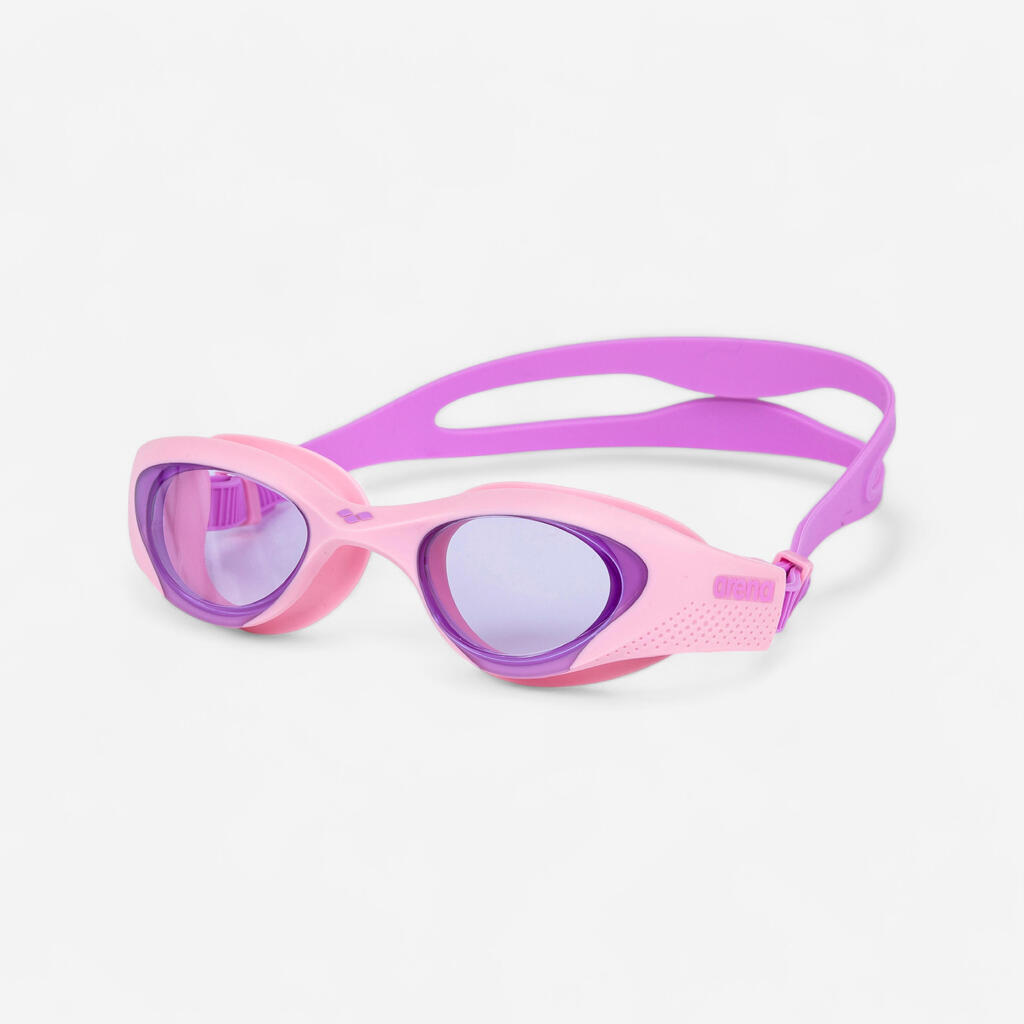
ARENA Arena The One Junior pink swimming goggles 4.7 4.7 out of 5 stars from 357 reviews (357) Current price €19.99 €19.99
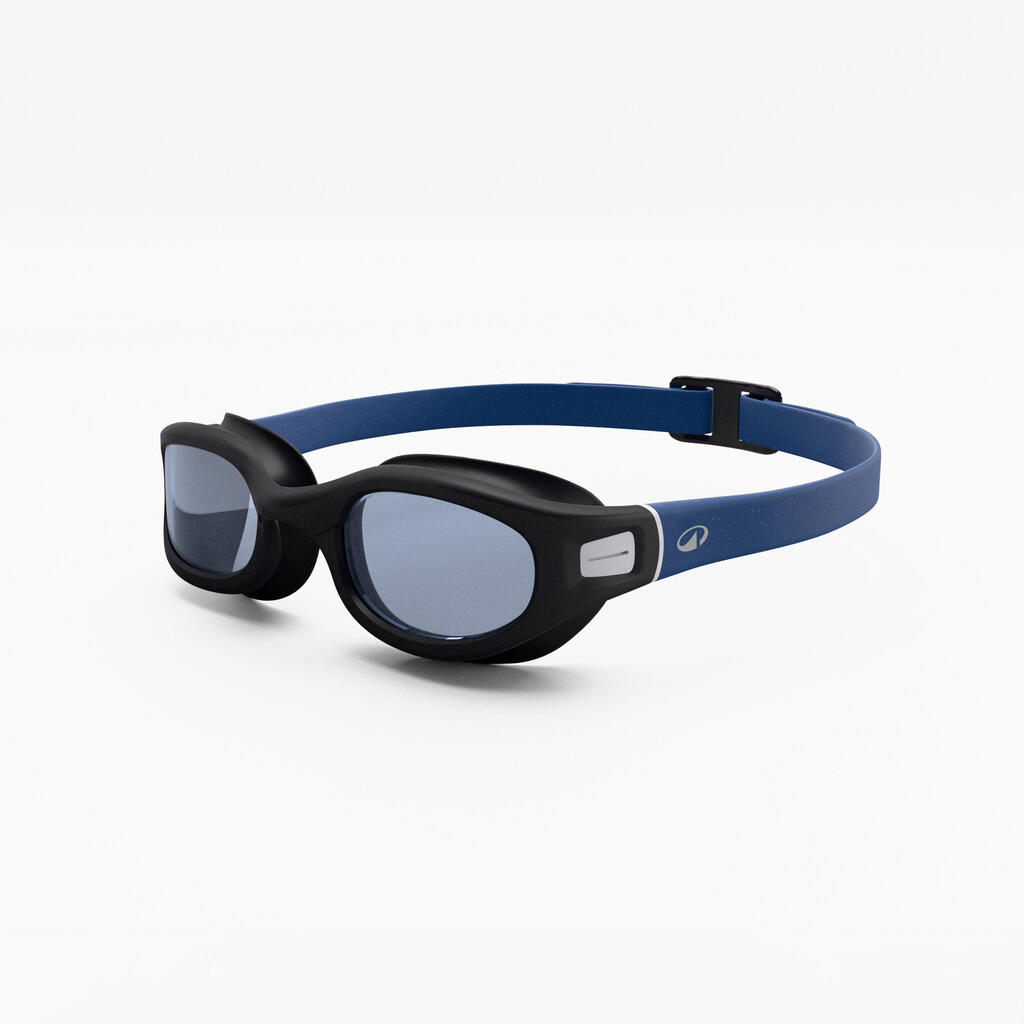
DECATHLON Swimming goggles Size L Soft black blue tinted blue 4.5 4.5 out of 5 stars from 3224 reviews (3224) 2 colors Current price €9.99 €9.99
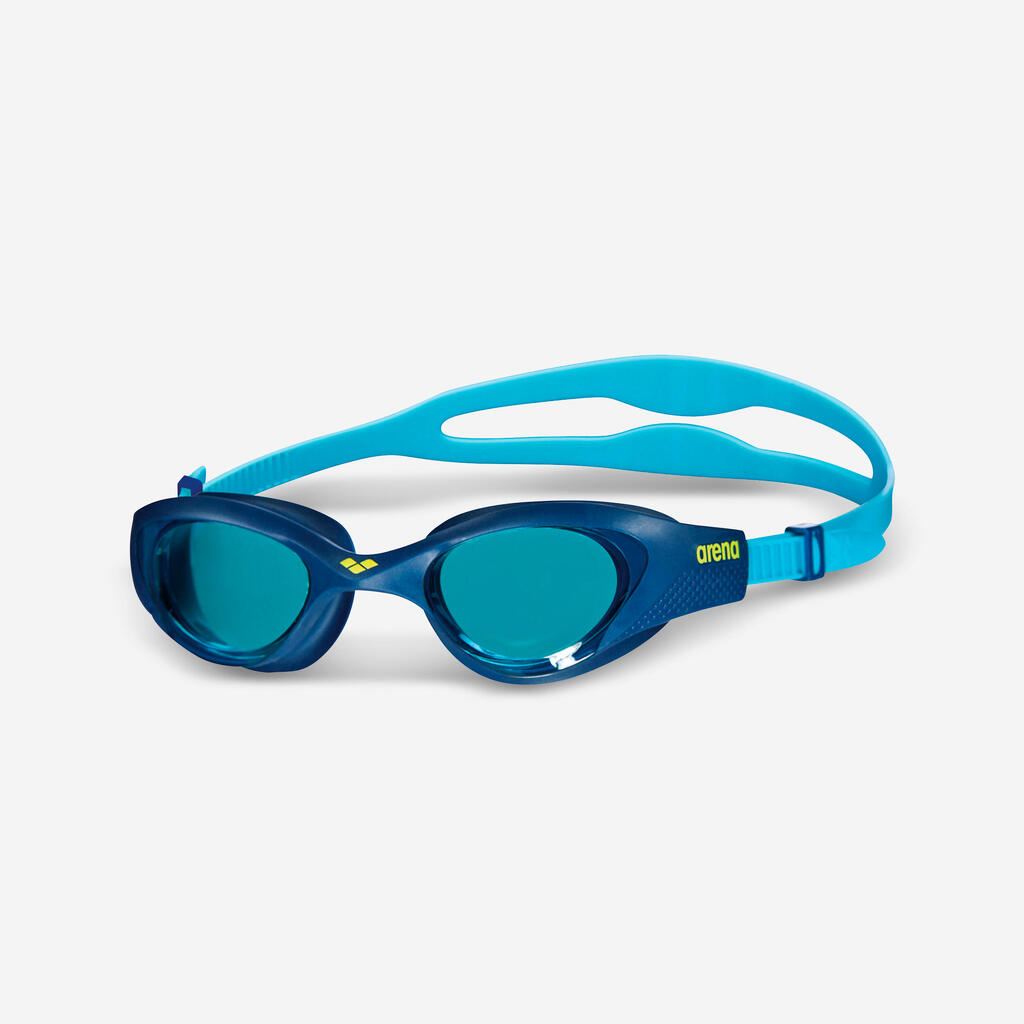
ARENA Swimming goggles Arena The One Junior - Blue 4.8 4.8 out of 5 stars from 406 reviews (406) Current price €19.99 €19.99
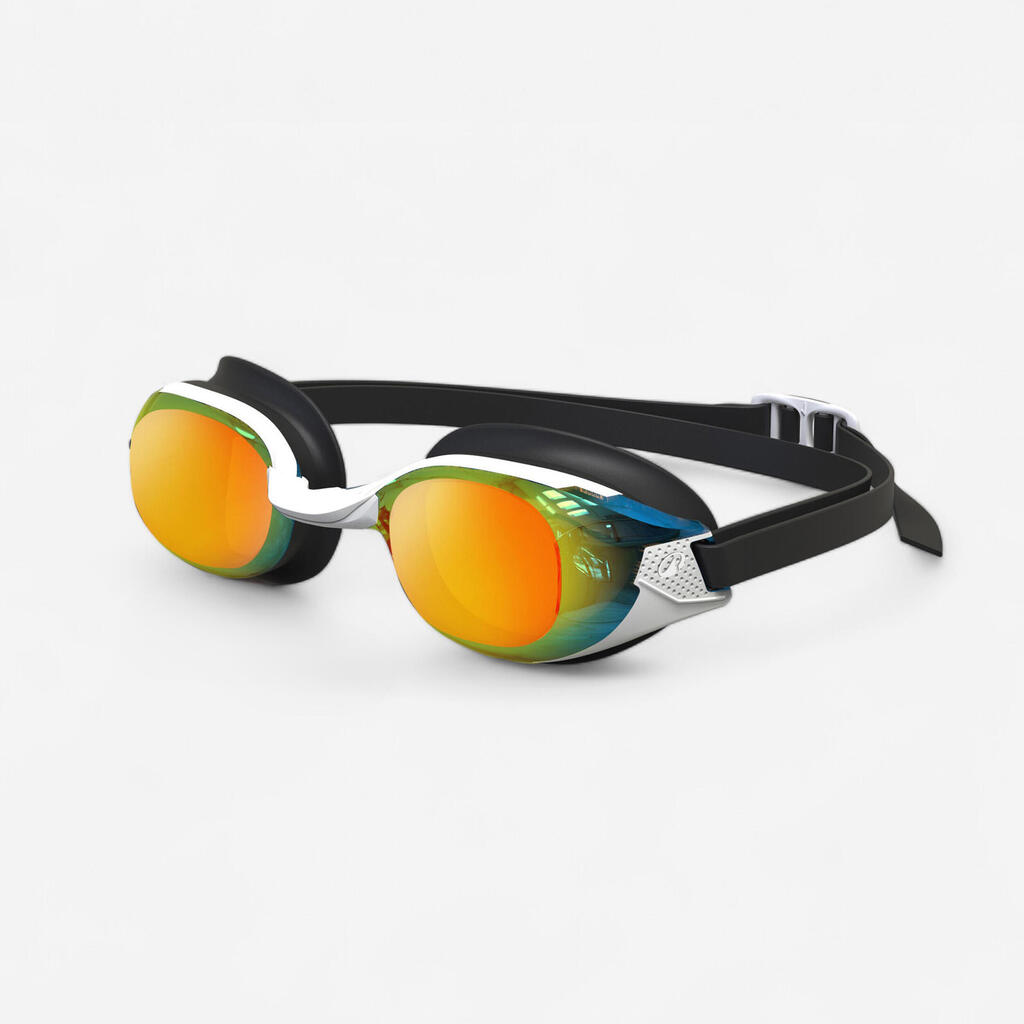
DECATHLON Swimming goggles One Size Fits All - Bfit black mirror Fire - New anti-fog 4.7 4.7 out of 5 stars from 1174 reviews (1174) 5 colors Current price €19.99 €19.99