Christmas Gifts 🎁
Sports
Popular
Men
Women
Kids
Accessories
POPULAR
MORE SPORTS
QUECHUA
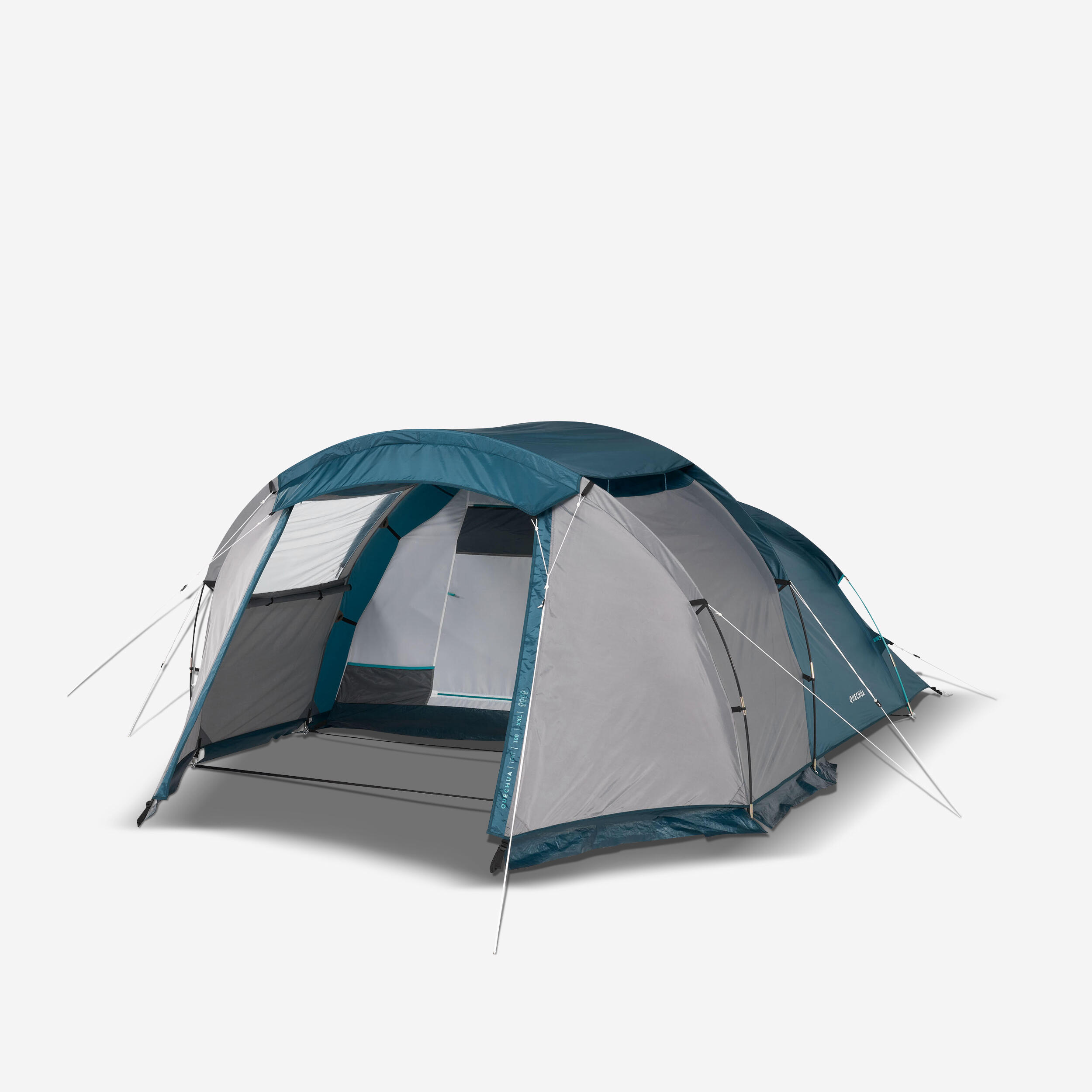
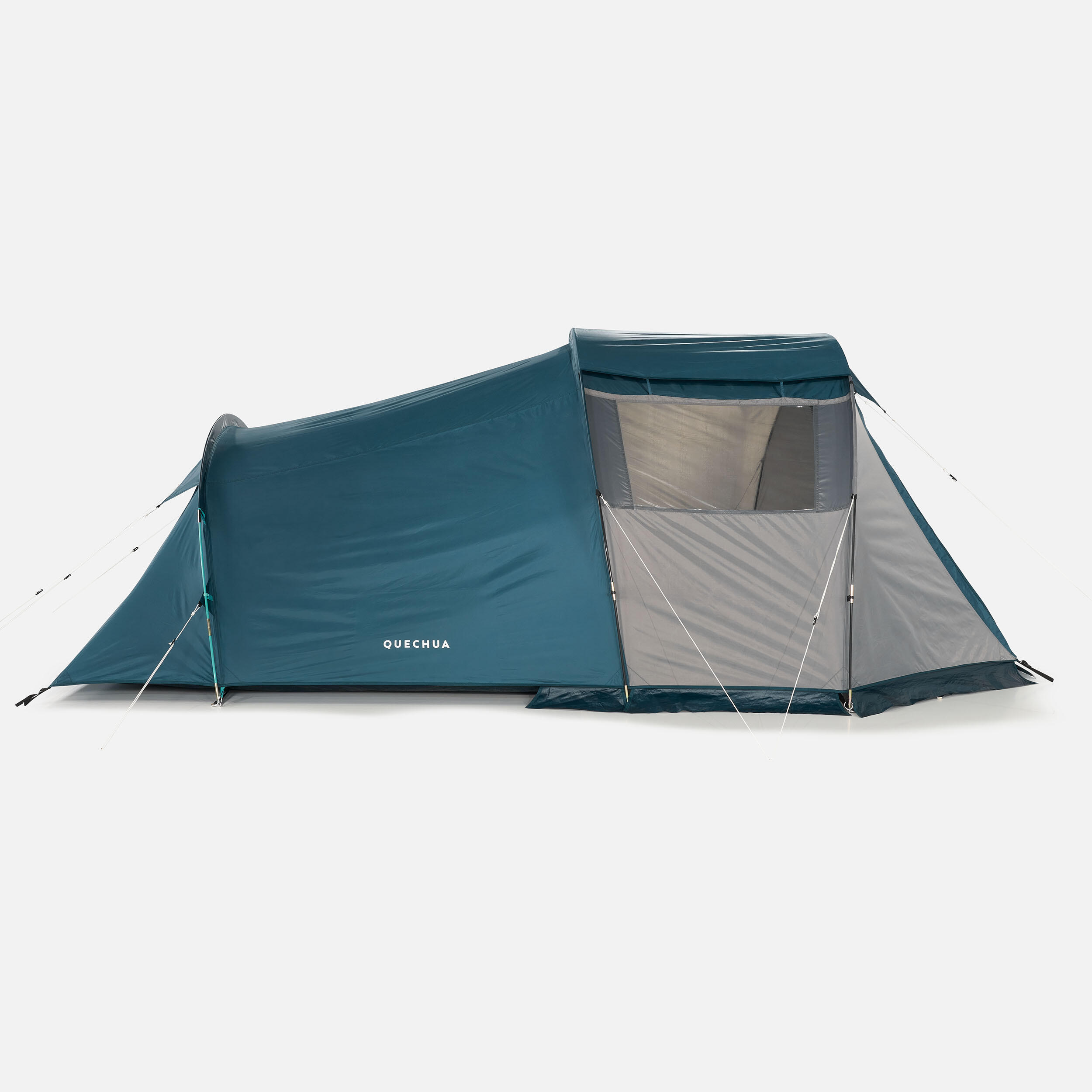
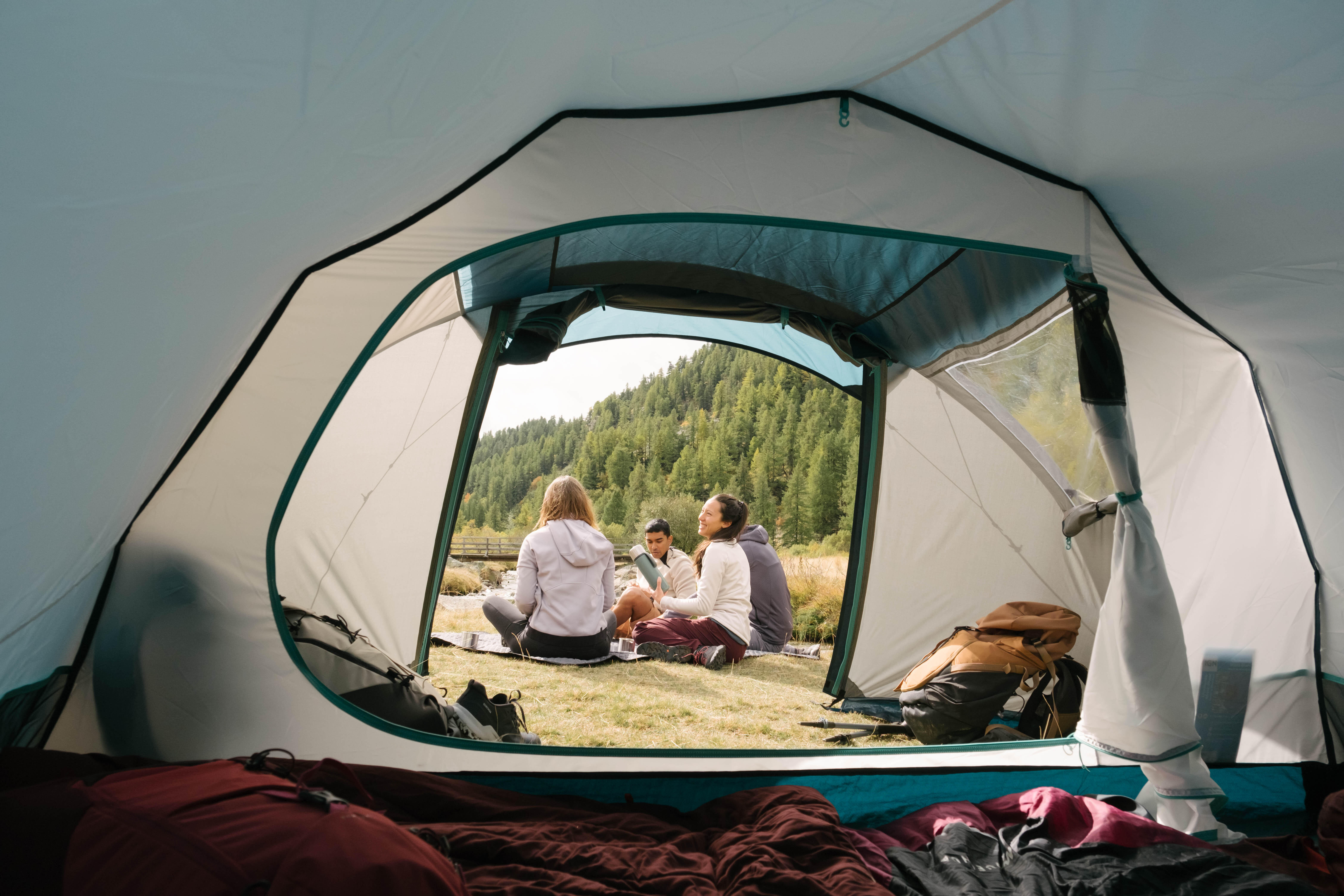
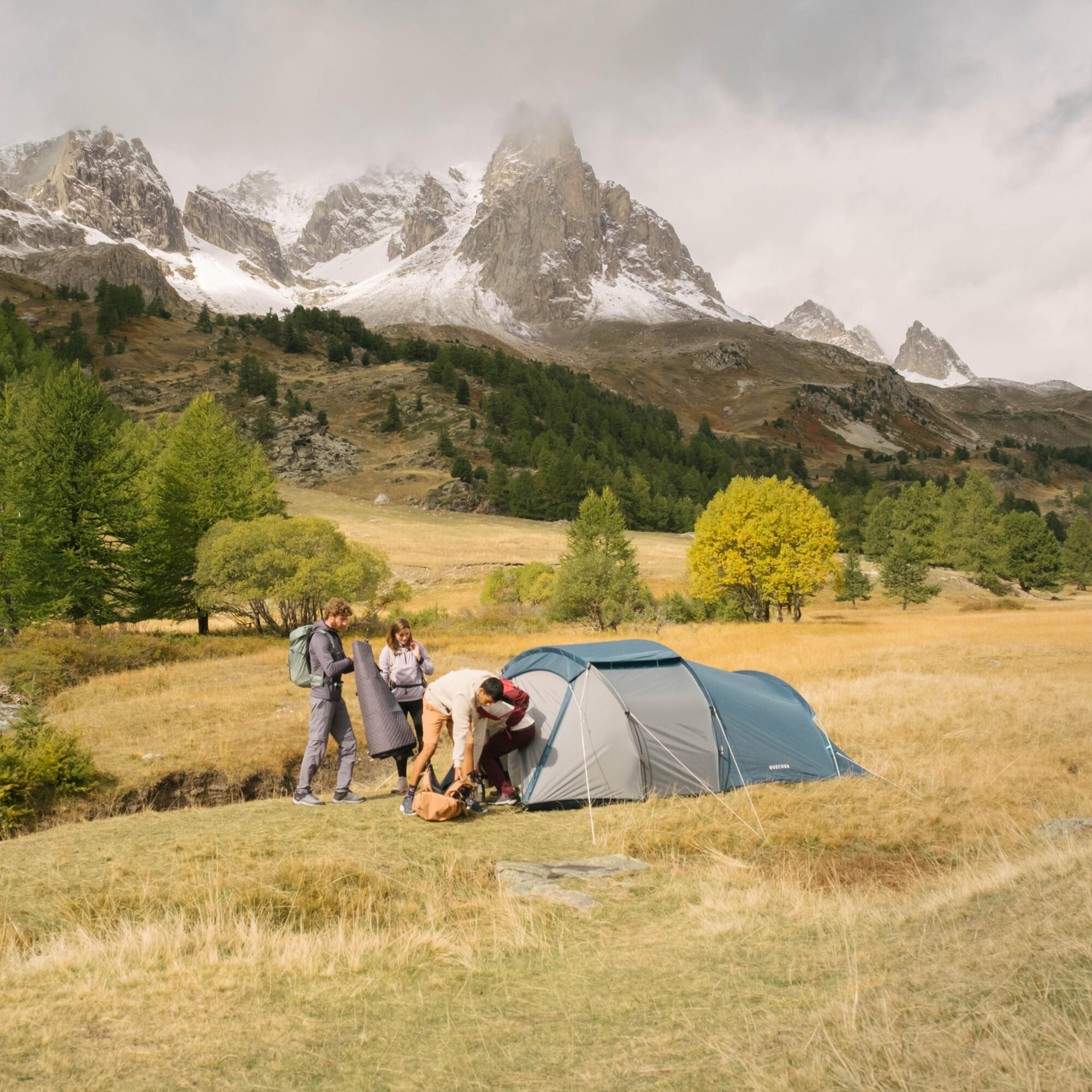
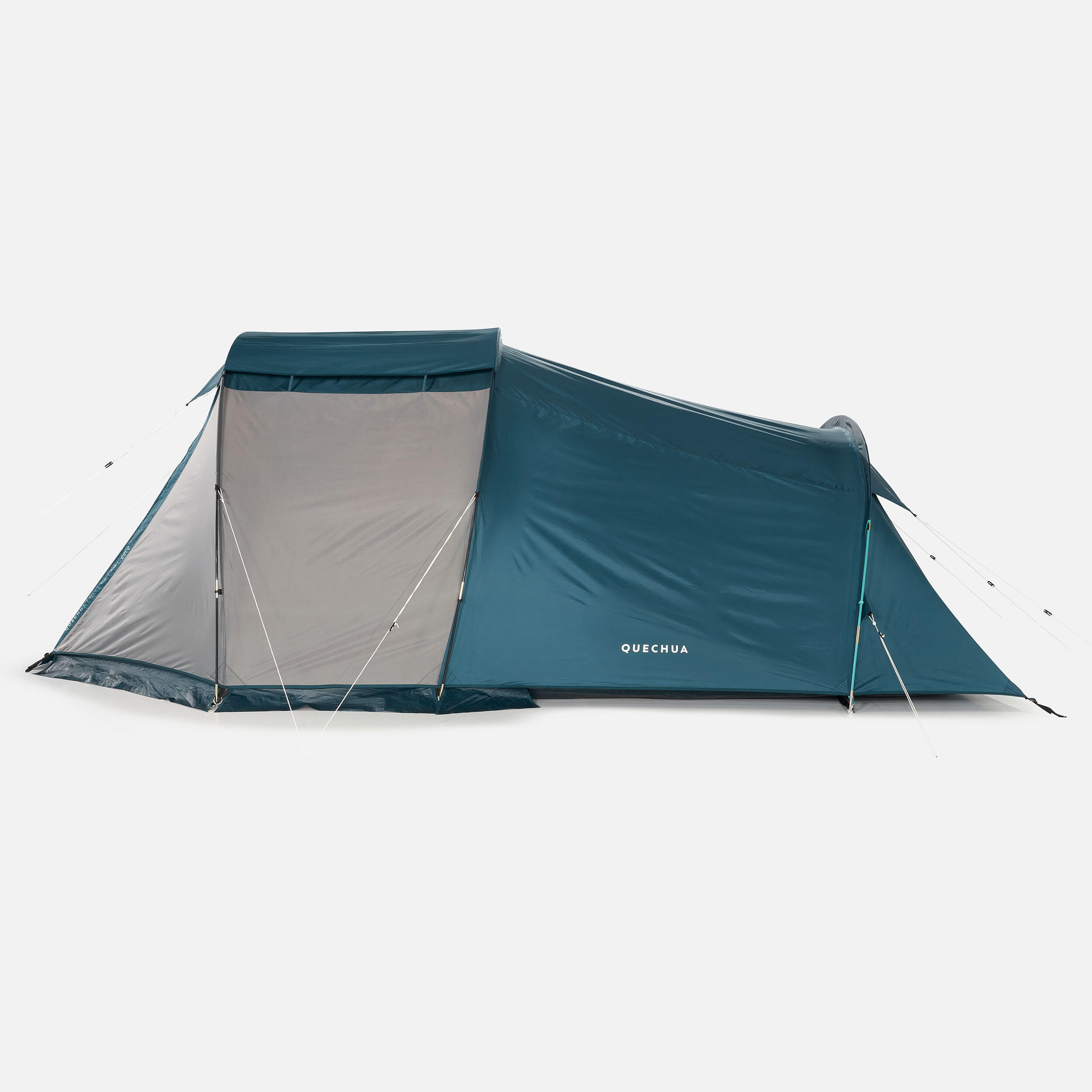
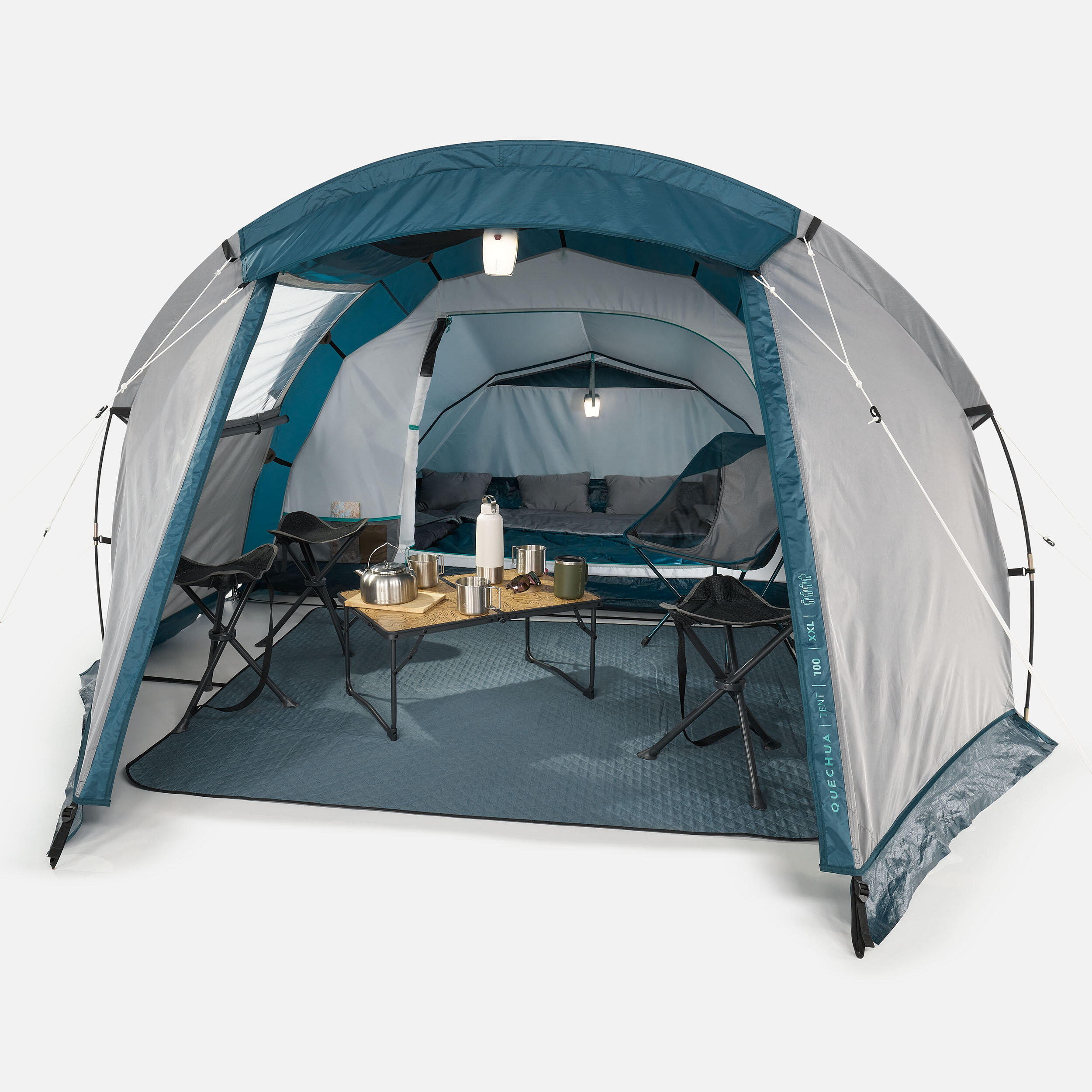
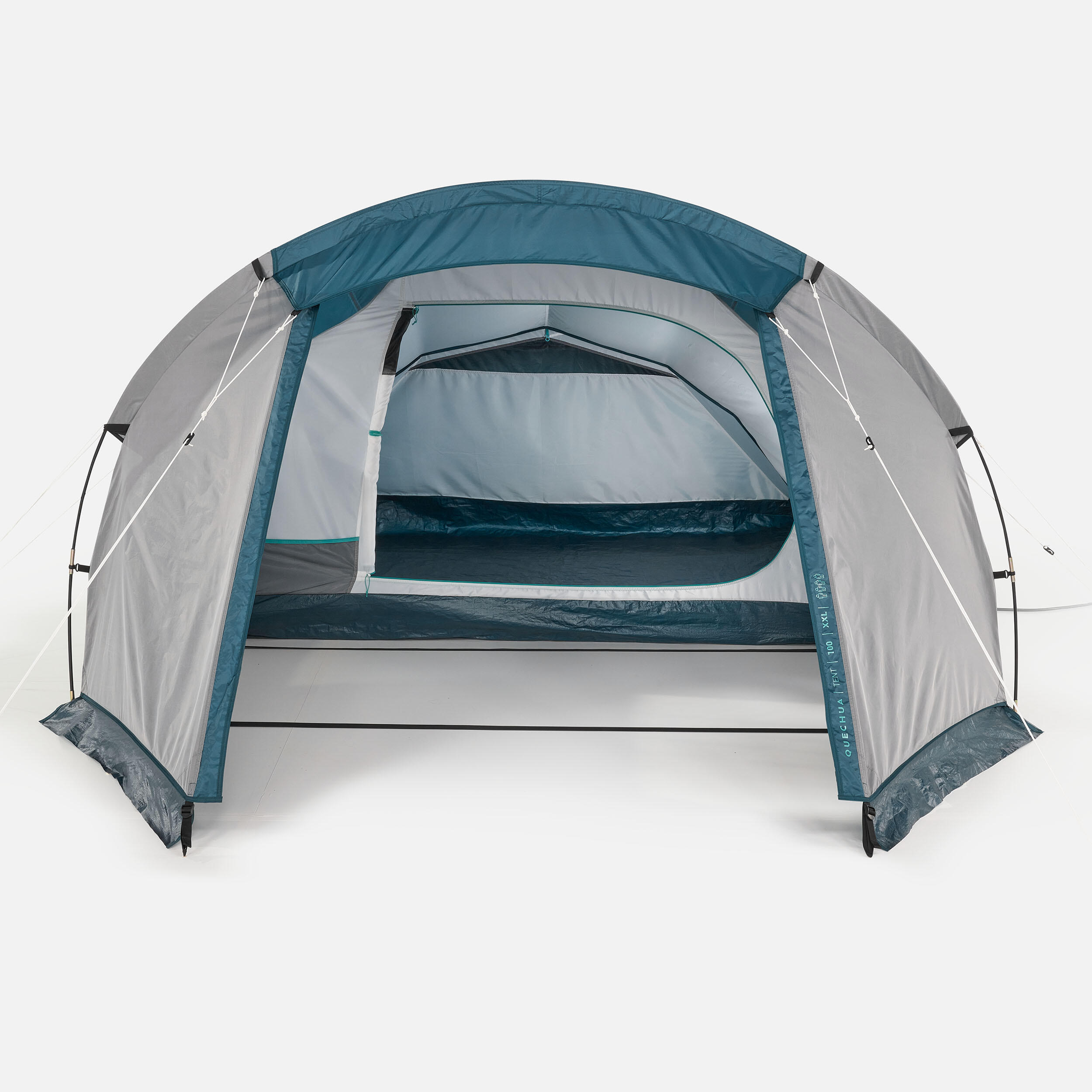
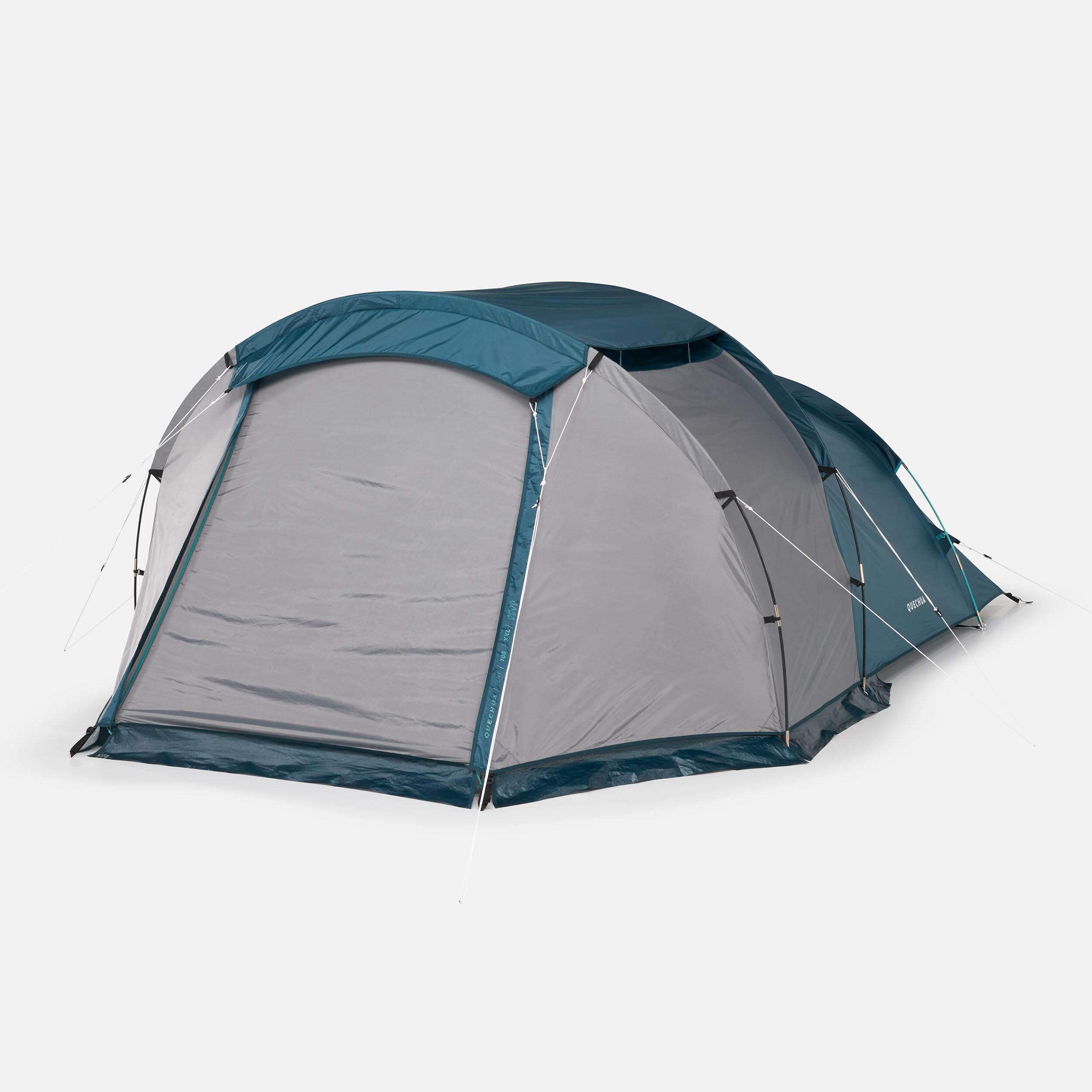
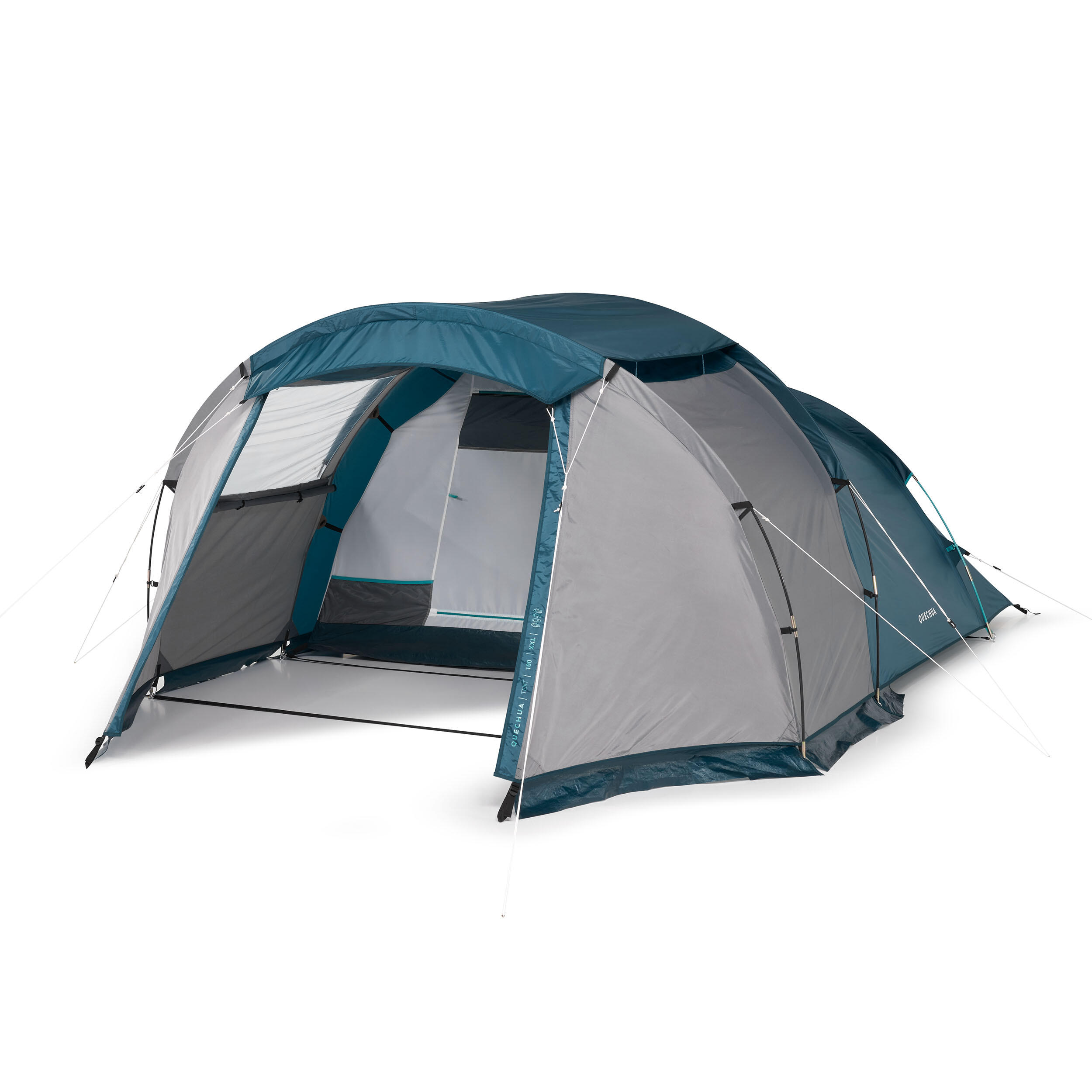
Try our spacious, accessible 4-person tent.
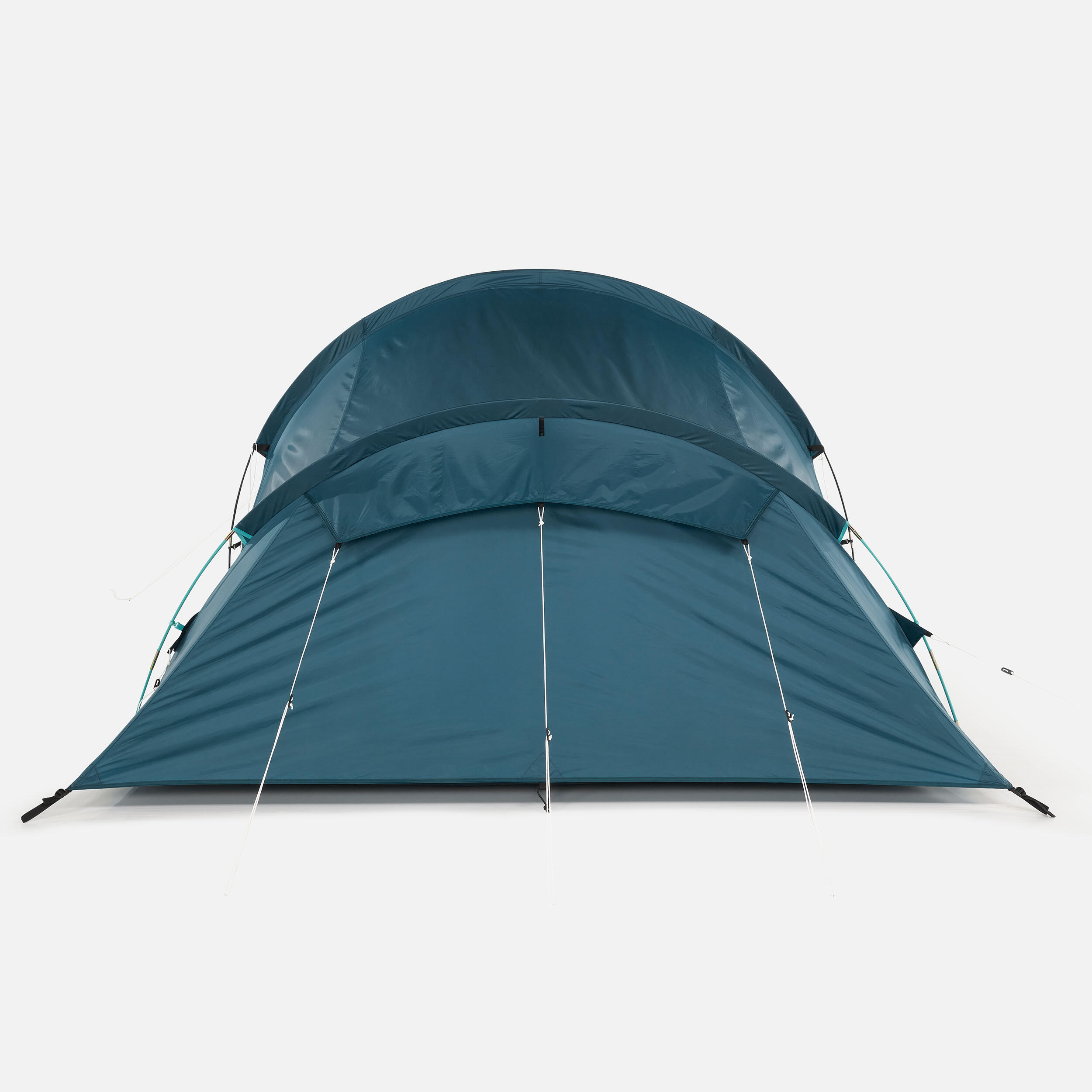
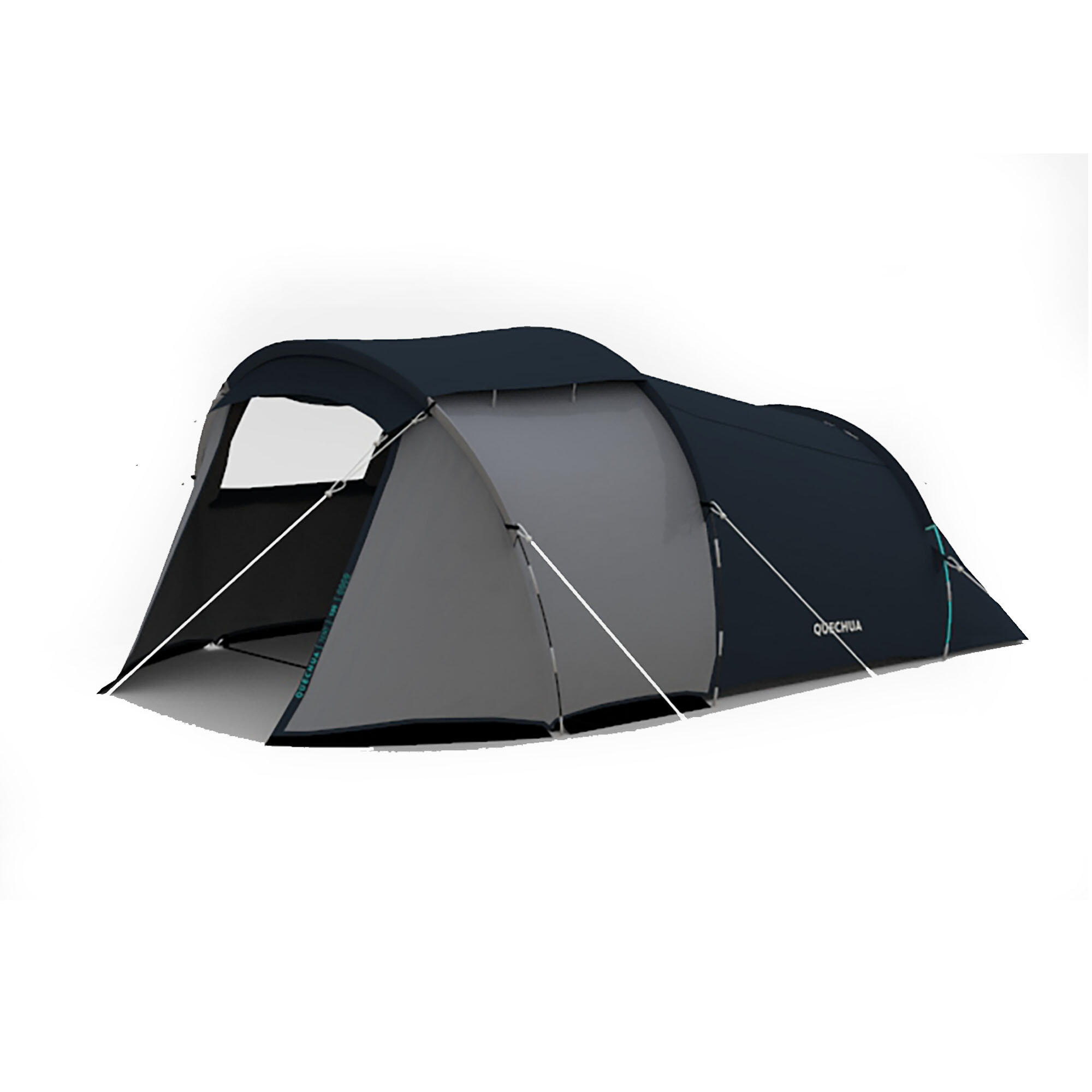
We designed it so you can sit down in the living-room and assemble it easily thanks to its beautifully simple tunnel structure formed by poles.
ID 8755590
store
Pick up at Decathlon
map-pin
Pickup with BOX NOW
home
Home Delivery
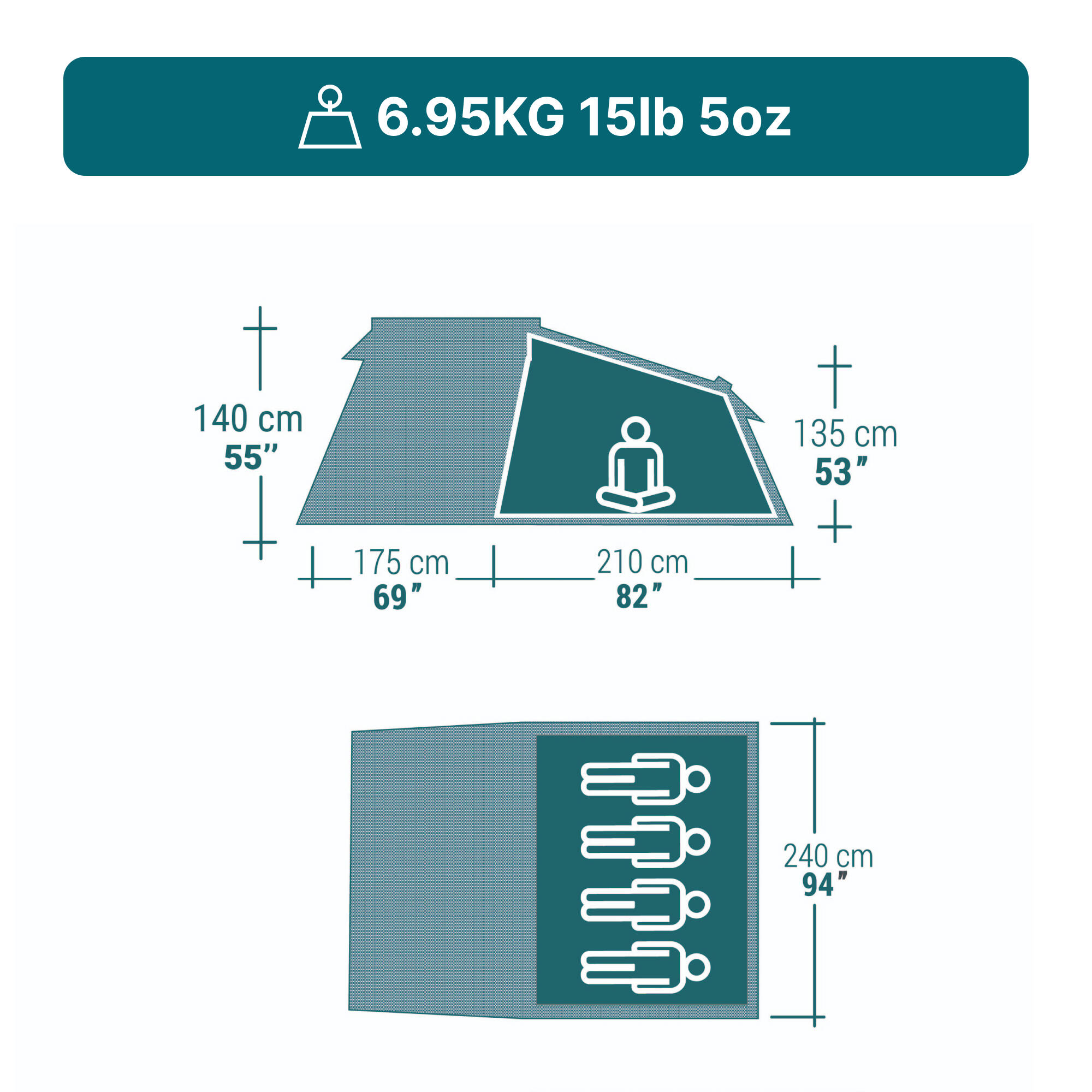
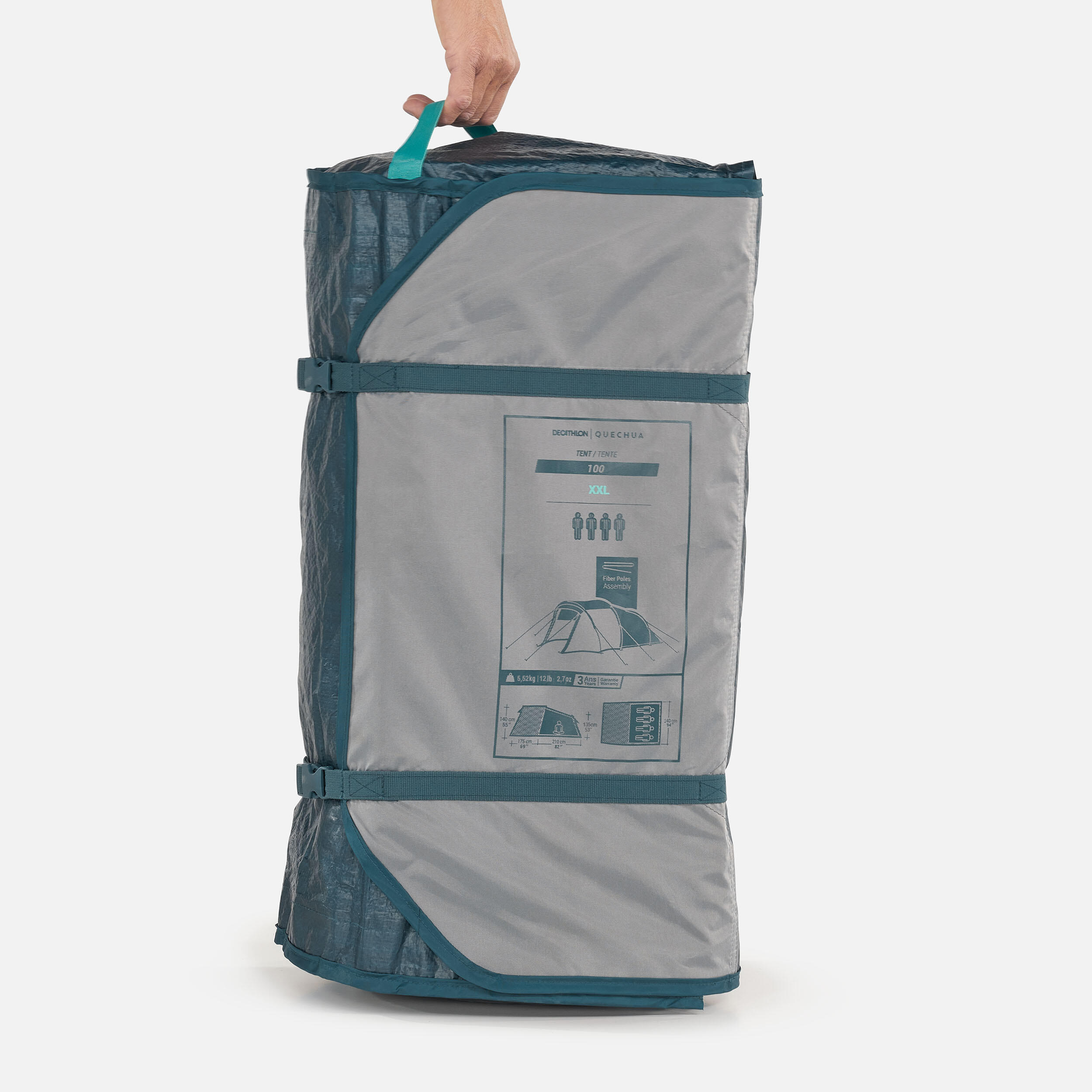
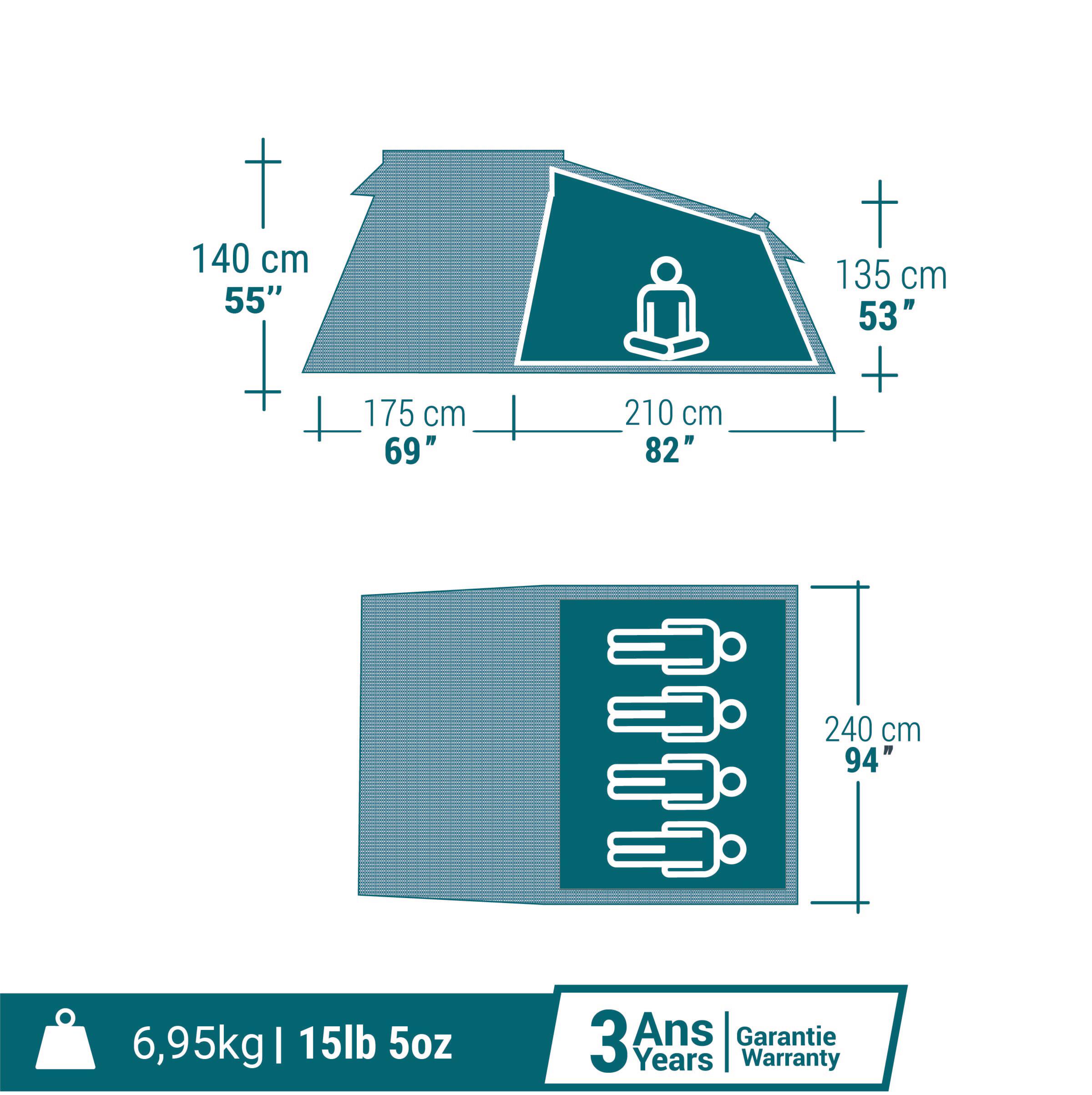
Dimensions of the cover: 59 cm x 24 cm x 24 cm / 34 L. Weight: 6.95 kg
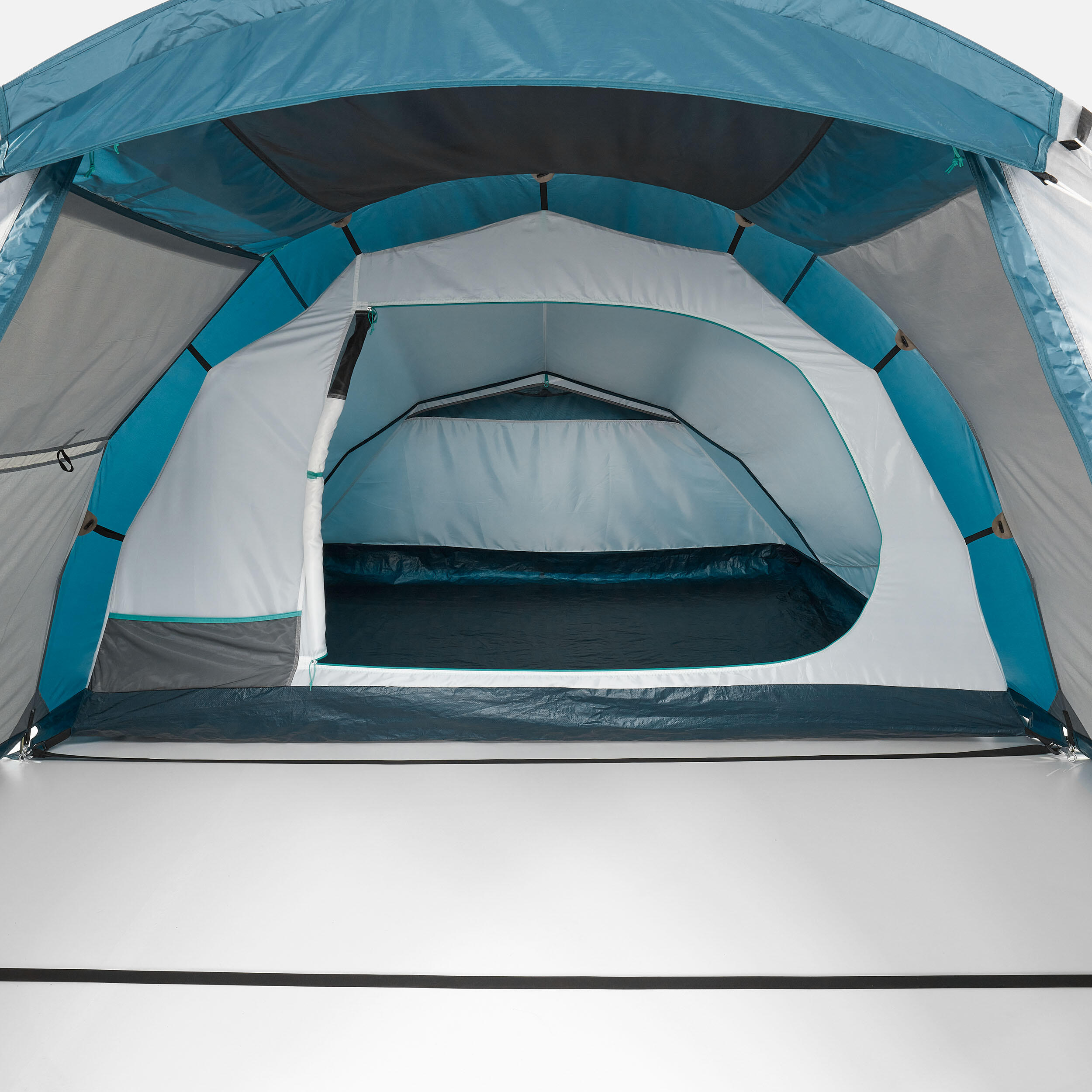
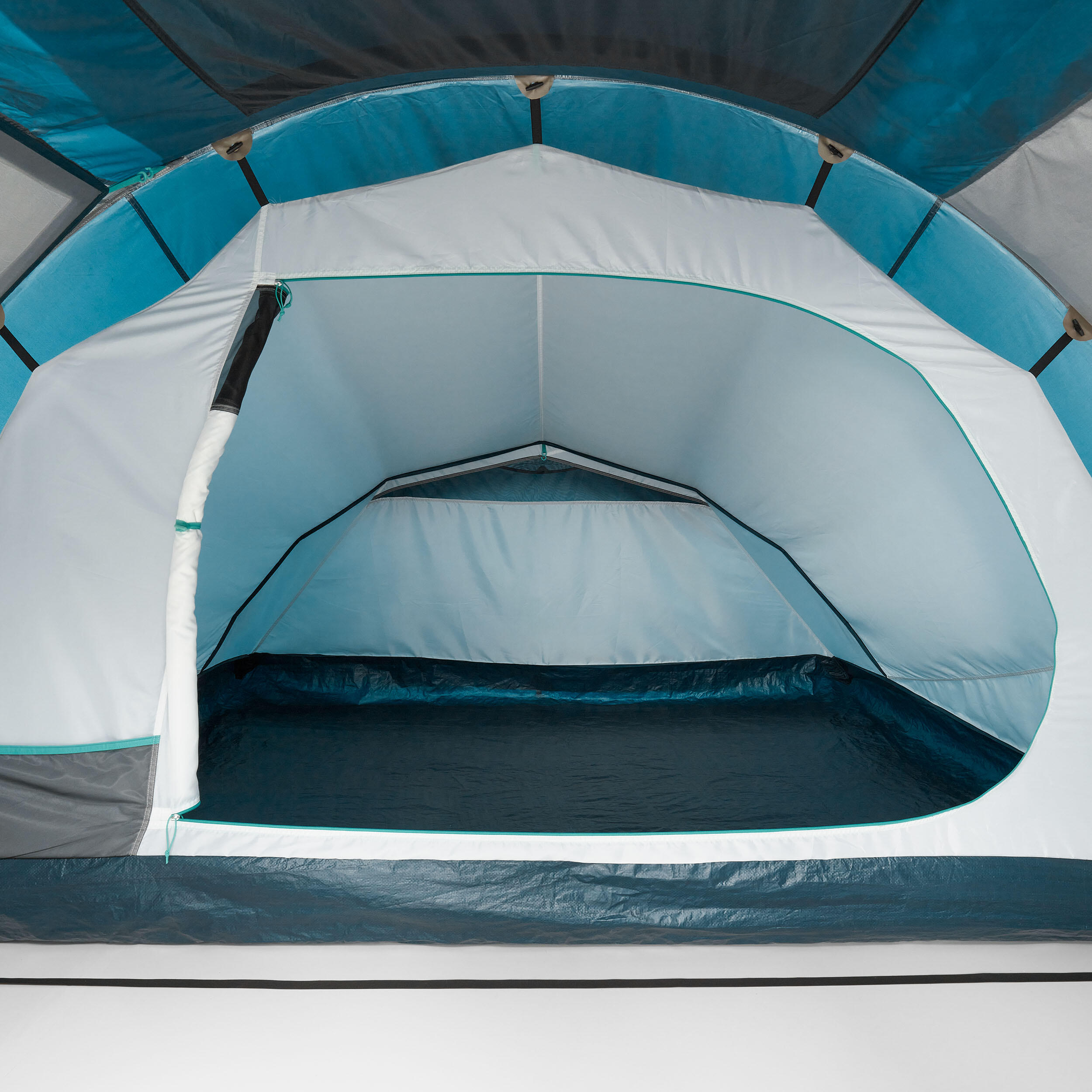
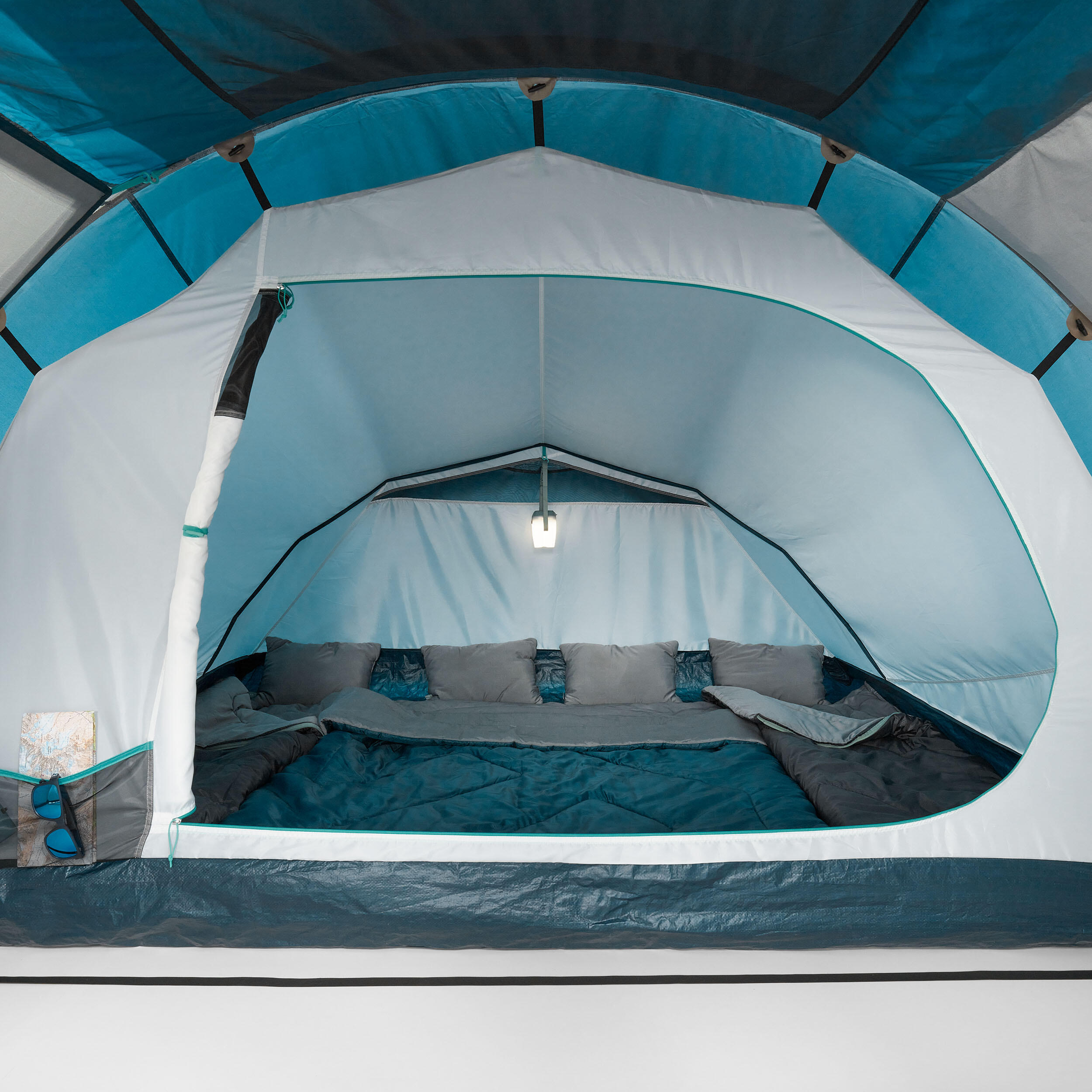
Bedroom: 240 x 210 cm | Seated living room: 3.9 m² Surface: 10.4 sqm
Water column (Schmerber): Flyroof > 2,000 mm | Groundsheet > 2,400 mm
Withstands force 6 winds - around 50 km/hr | Wind tunnel test
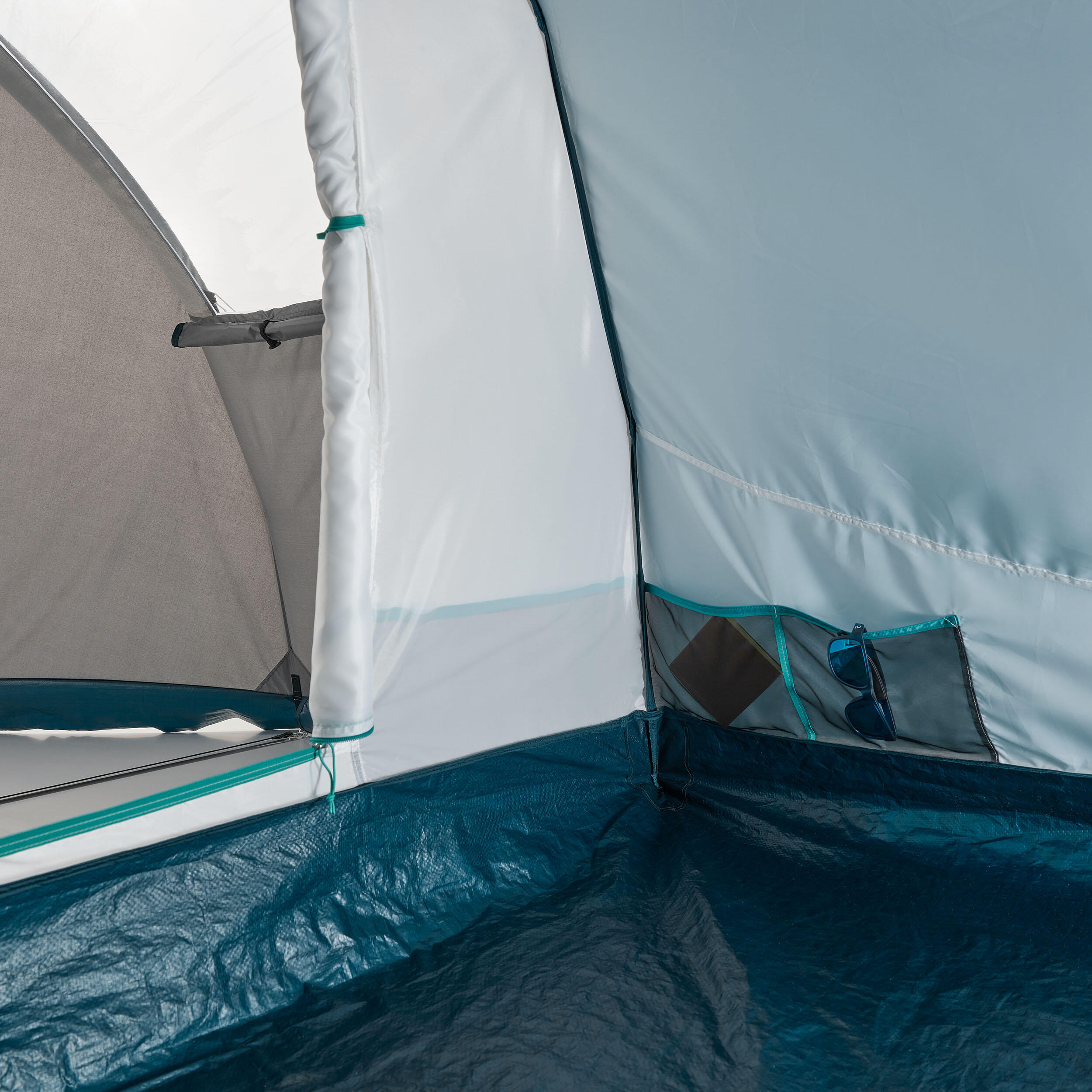
3.9 sqm living area and a maximum inner tent height of 1.40 m. Each bedroom in this tent is intended to accommodate a maximum of four 60 cm wide mattresses. It can also accommodate a couple looking for a very large bedroom.
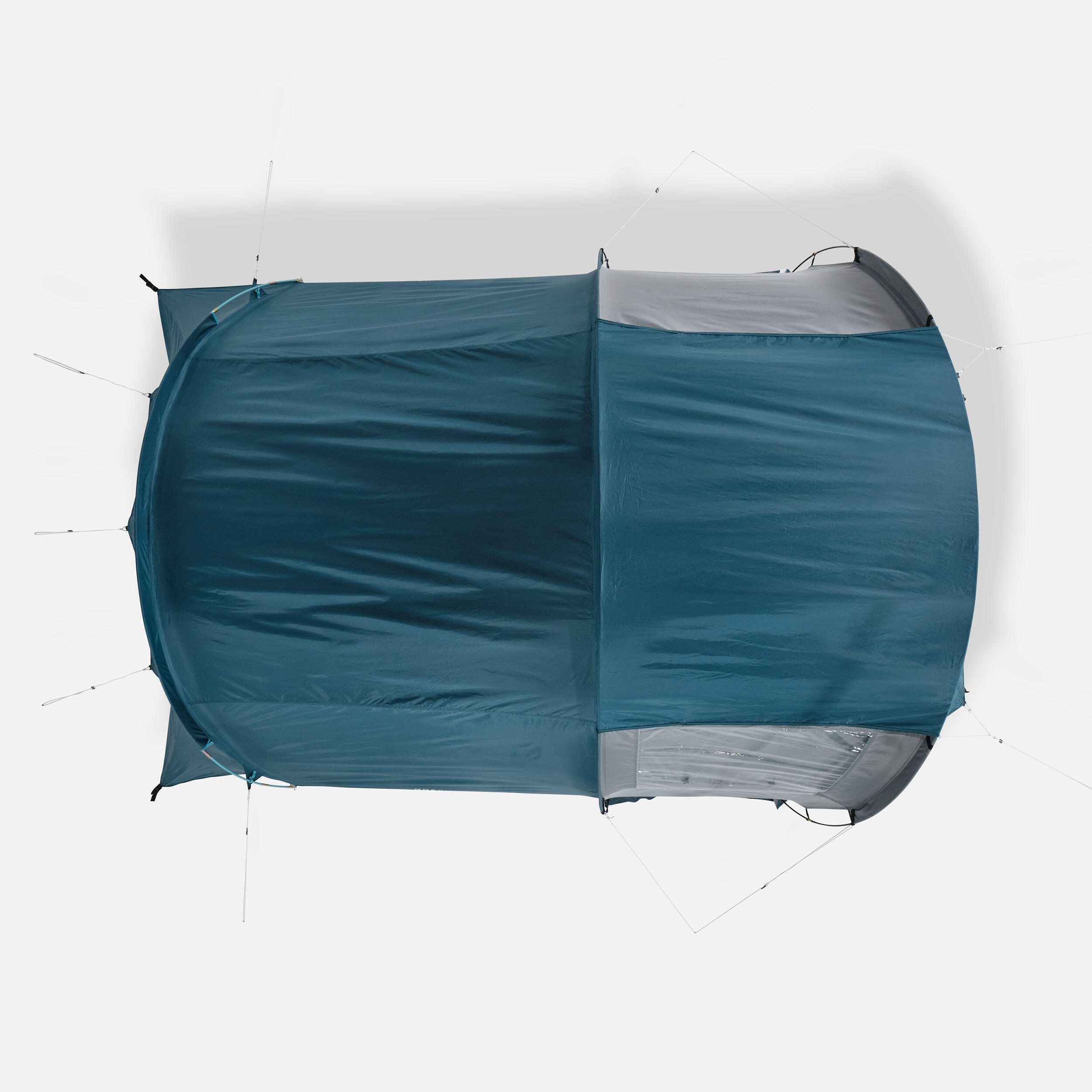
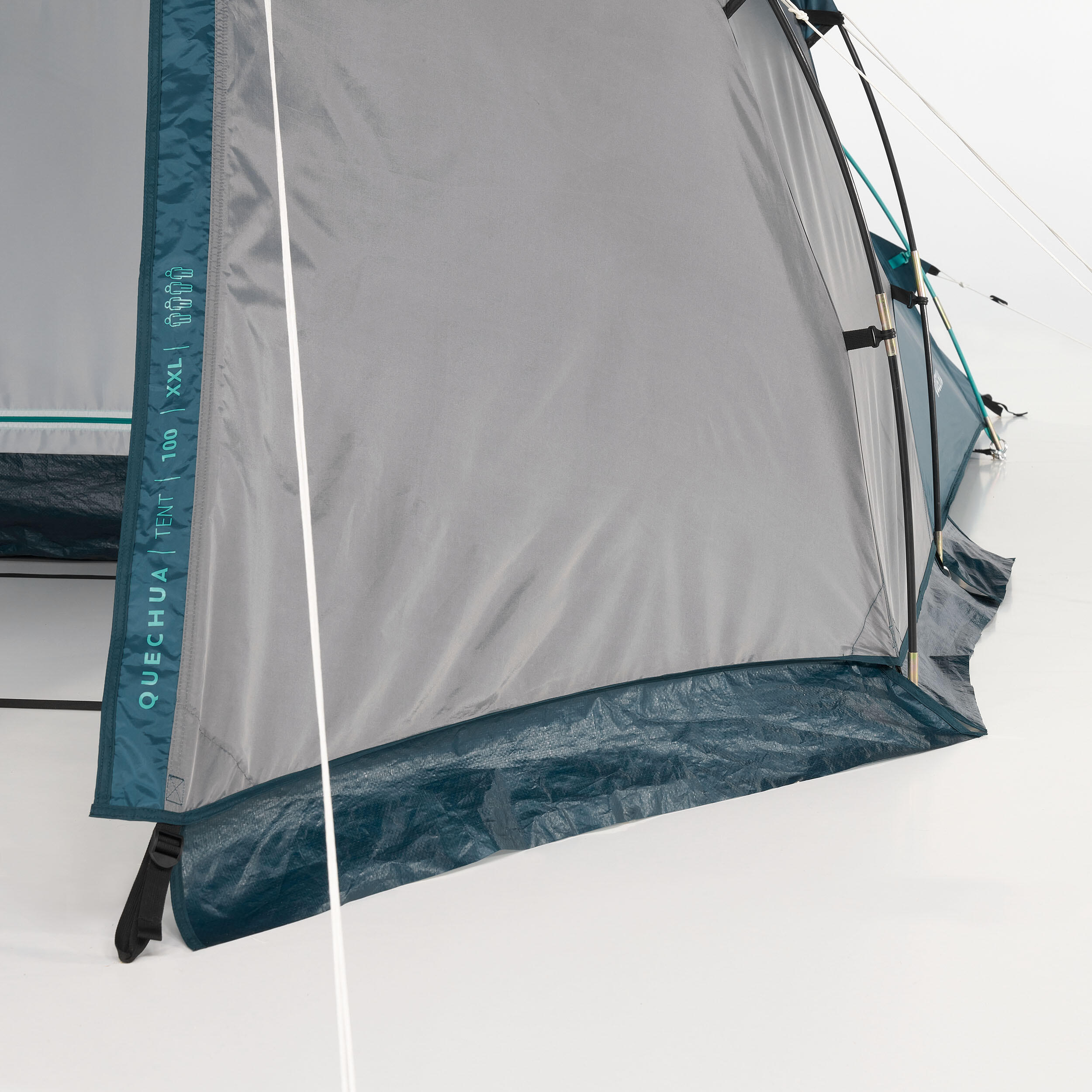
Pole structure: The colour codes are there to help you. The coloured poles are to be inserted into their respective sleeves. We recommend that 2 people pitch the tent.
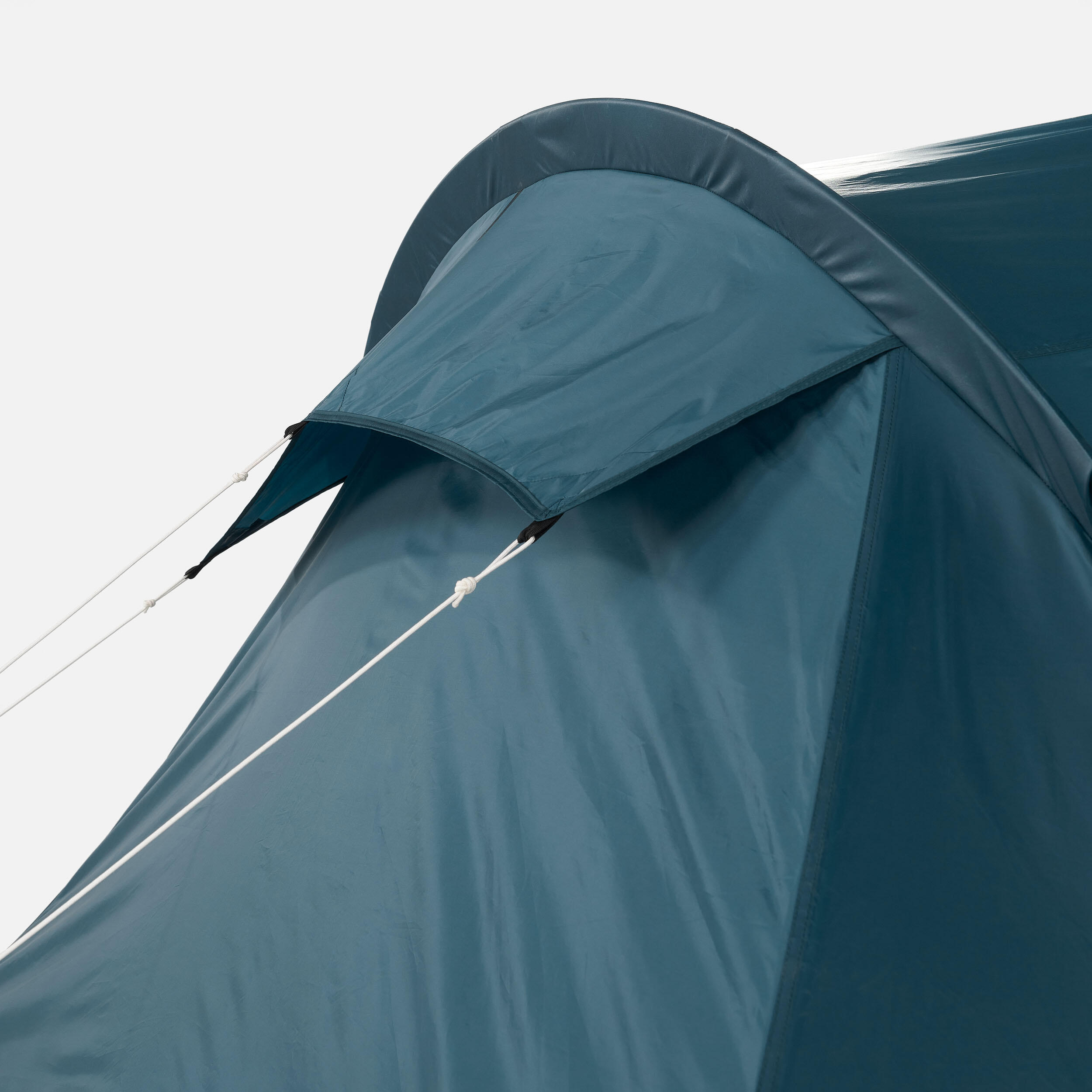
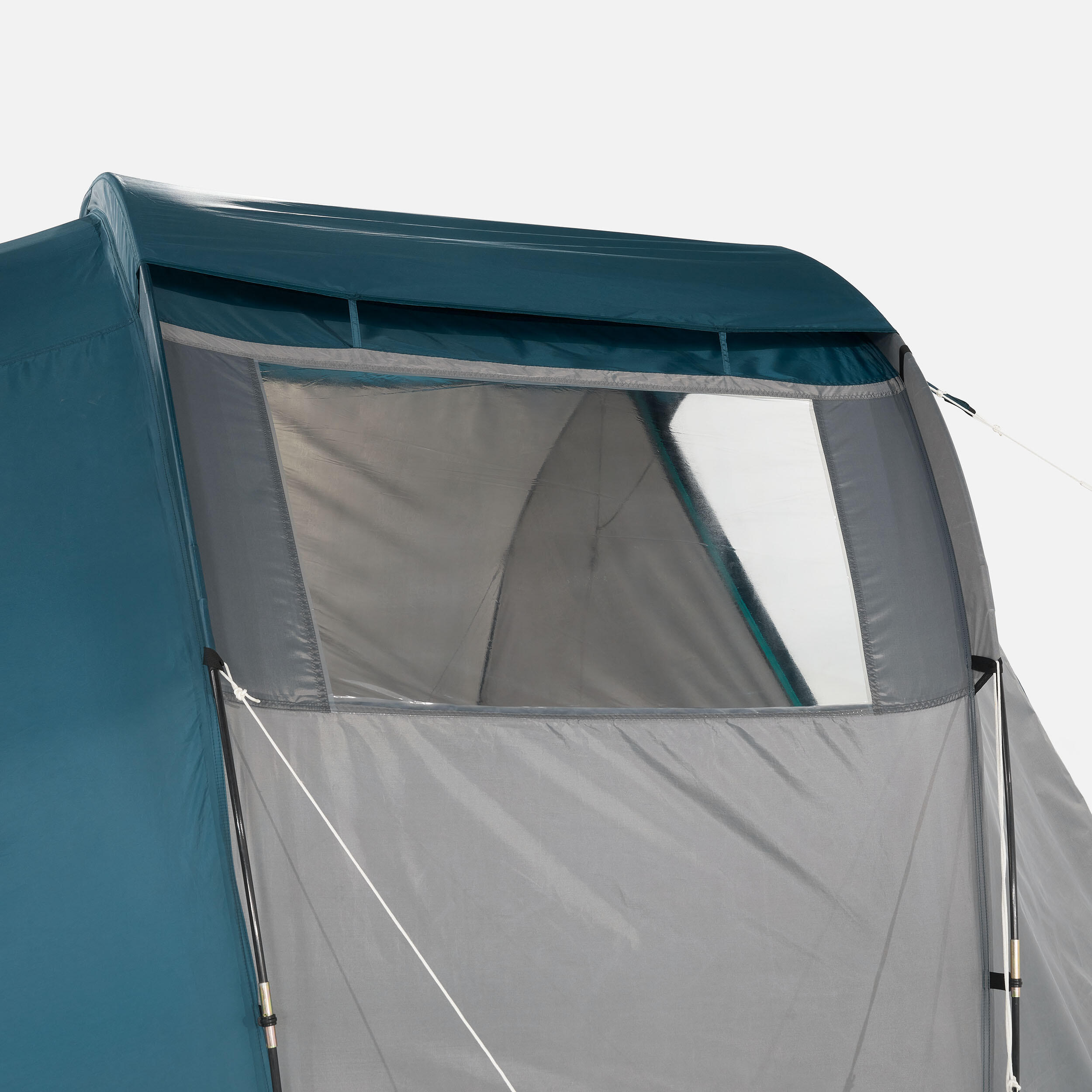
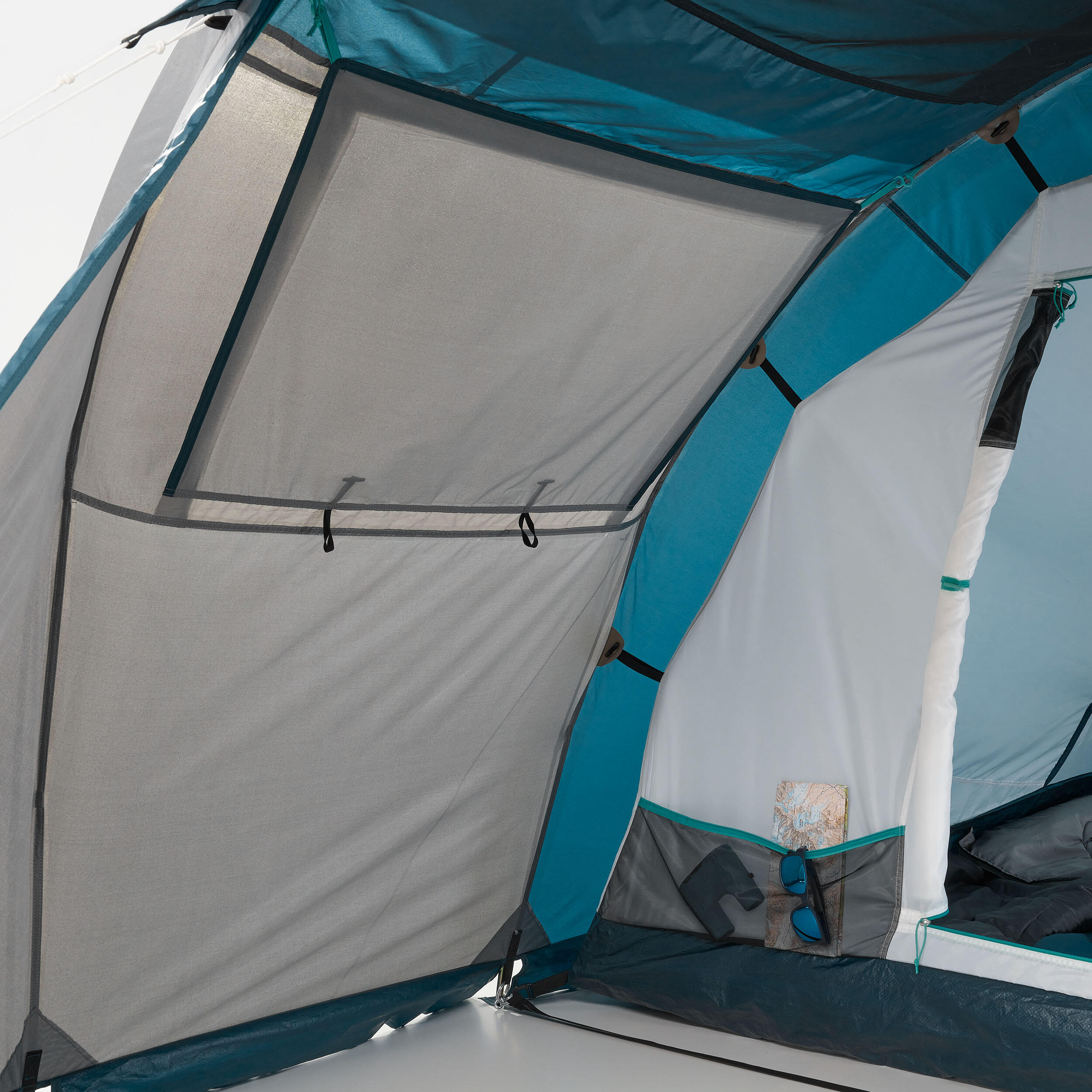
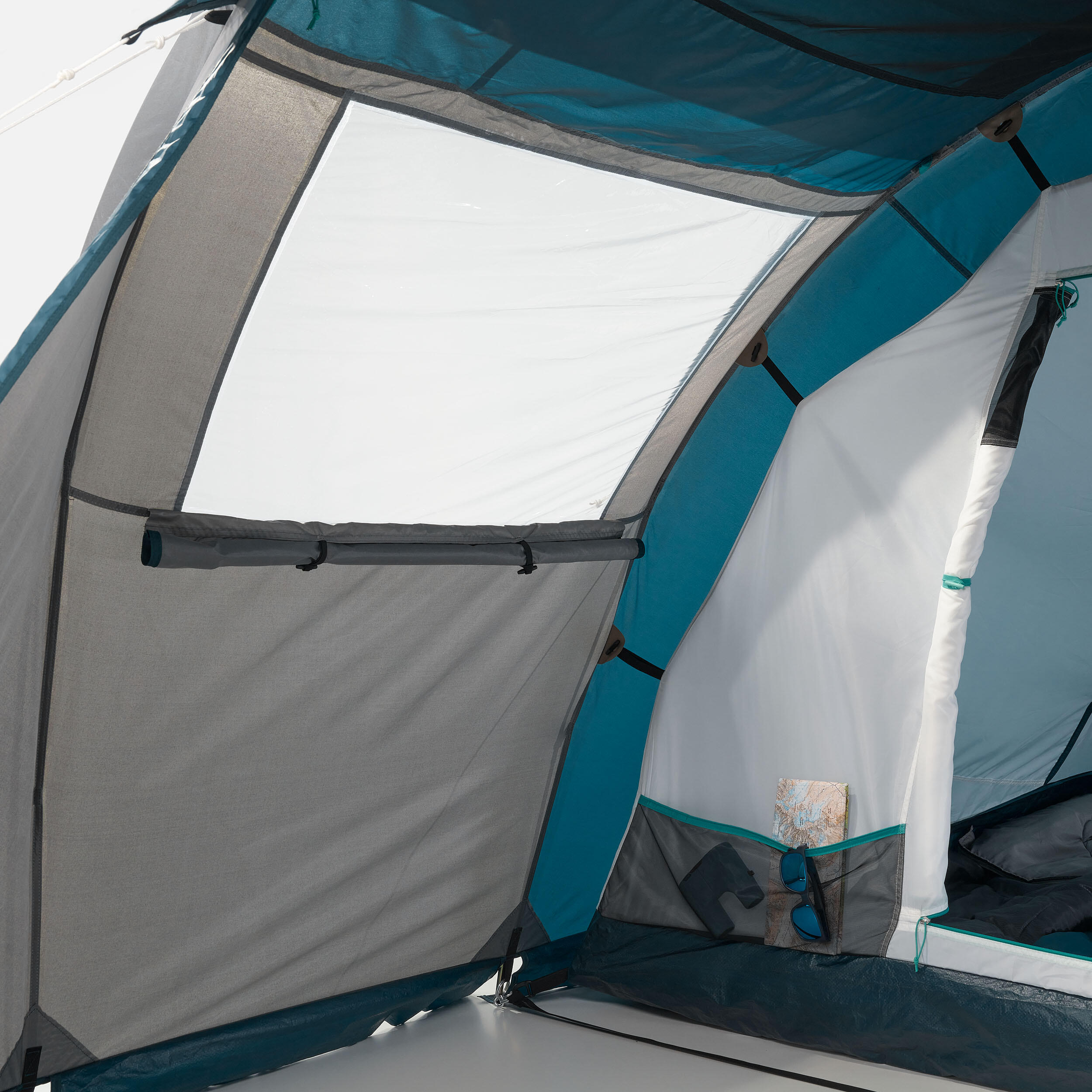
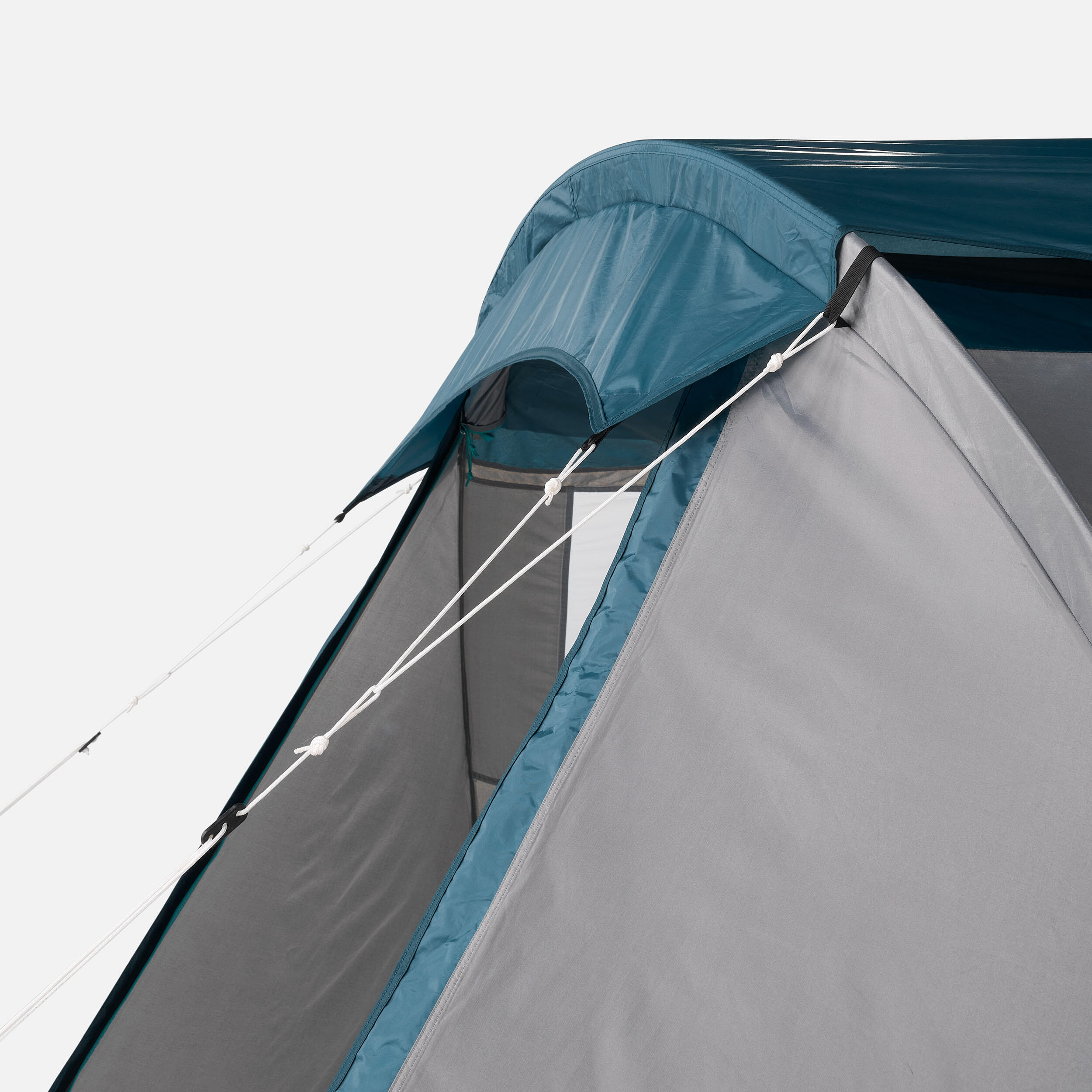
To promote air flow and replacement between the bedroom and the flysheet, and reduce natural condensation as much as possible, the tent is equipped with high ventilation hatches at the front and back and high mosquito nets at the back of the bedroom.
To check that it is waterproof, the tent was placed for three hours under a 200L shower of water per hour, equivalent to a tropical shower of 200mm per hour. The flysheet is made from 2,000mm Schmerber PU coated polyester and all seams are sealed with thermobonded tape.
We test all our tents in a wind tunnel on a turntable. The aim is to expose each side of our tent to the same wind intensity. Properly pitched, with the guy ropes deployed, this tent remains habitable in wind speed 6, measured at around 50 km/h.
- 1 bedroom - 1 waterproof flysheet - 3 poles - 20 tent pegs - 9 guy ropes - 1 cover
Our camping tents have been designed for occasional outdoor use (4 weeks per year). These products are not classified as “garden furniture” and aren’t designed to be left outdoors permanently. Continuous exposure to UV rays can damage the fabric section. To ensure the optimal lifespan of your tent, it’s important to store it in a dry place when not in use.
3 Years
It’s absolutely essential to leave your tent to air-dry, including the underside, and then store it in a dry place so you don’t have to worry about odours or damp when you unpack it again.
Not suitable for permanent outdoor exposure.
MAXIMUM WASHING TEMPERATURE OF 50°C. NORMAL TREATMENT.
MAXIMUM WASH TEMPERATURE 60°C. MODERATE TREATMENT.
ANY BLEACHING AGENT ALLOWED.
DRYING IN TUMBLE DRYER POSSIBLE. LOW TEMPERATURE, MAXIMUM DRUM EXHAUST TEMPERATURE 60°C.
PROFESSIONAL DRY CLEANING WITH TETRACHLOROETHYLENE AND ALL SOLVENTS LISTED OPPOSITE THE F SYMBOL. NORMAL TREATMENT.
Double roof: 100.0% Polyester; Inner fabric: 100.0% Polyester; Pole: 100.0% Glass Fiber
Our partner laboratories, as well as our own, contribute to the innovation and development of our Quechua tents. Extensive analysis and experience allow us to guarantee the technical nature of these products (wind resistance, waterproofing).
To meet your requirements, Quechua tents are tested in the conditions that you may encounter during your nights in camping or in the wilderness. Our teams, plus a tester panel (made up of partners, ambassadors and customers), test products throughout their development until they go to market. This allows us to guarantee a high-quality tent.
With ecodesign, we reduce the environmental impact of our products.
Analyzing the product's environmental footprint enabled us to identify the most impactful stages of its life cycle. Thanks to this approach, our design teams were able to develop this product while significantly reducing its environmental impact.
Product made from 48% dope dyed yarn
Using this mass-dyeing process enables us to reduce CO2 emissions linked to the production of dyed textiles by at least 17% compared to conventional dyeing.
Product made from 24% undyed yarn
Using this finishing process enables us to reduce CO2 emissions linked to the production of undyed textiles by at least 53% compared to conventional dyeing.
Product made from 20% yarn combining dyed and undyed fibres
Using this dyeing process enables us to reduce the CO2 emissions linked to the production of the dyed component by at least 39% compared to conventional dyeing.