MADE IN FRANCE
All of our ropes are designed and tested in Chamonix, in the Mont Blanc valley.
They are made in northern France by our manufacturing partner, Cousin, expert rope makers for 170 years.
WASHING YOUR ROPE
It’s important to properly care for your rope to reduce wear.
As dirt wears ropes down, we recommend:
1- using a rope cover;
2- If the rope is dirty, wash it with clean, lukewarm water.
Should stains persist and you want to wash it with soap, it is important to use a pH-neutral soap (such as Marseille/household soap) and then rinse thoroughly with clean water.
3- Air dry the rope out of the sun and away from all sources of heat.
CHECKING YOUR ROPE
It is important to check your rope regularly. To do so, run the rope through your hands and inspect it metre by metre along its entire length. This will allow you to spot any nicks, cuts, abrasion or weak points. If you notice any anomalies or irregularities, if the core is visible in certain places, if the rope is deformed or has exceeded its fall rating, it must be changed. Take safety seriously!
DOPE-DYE COLOURING
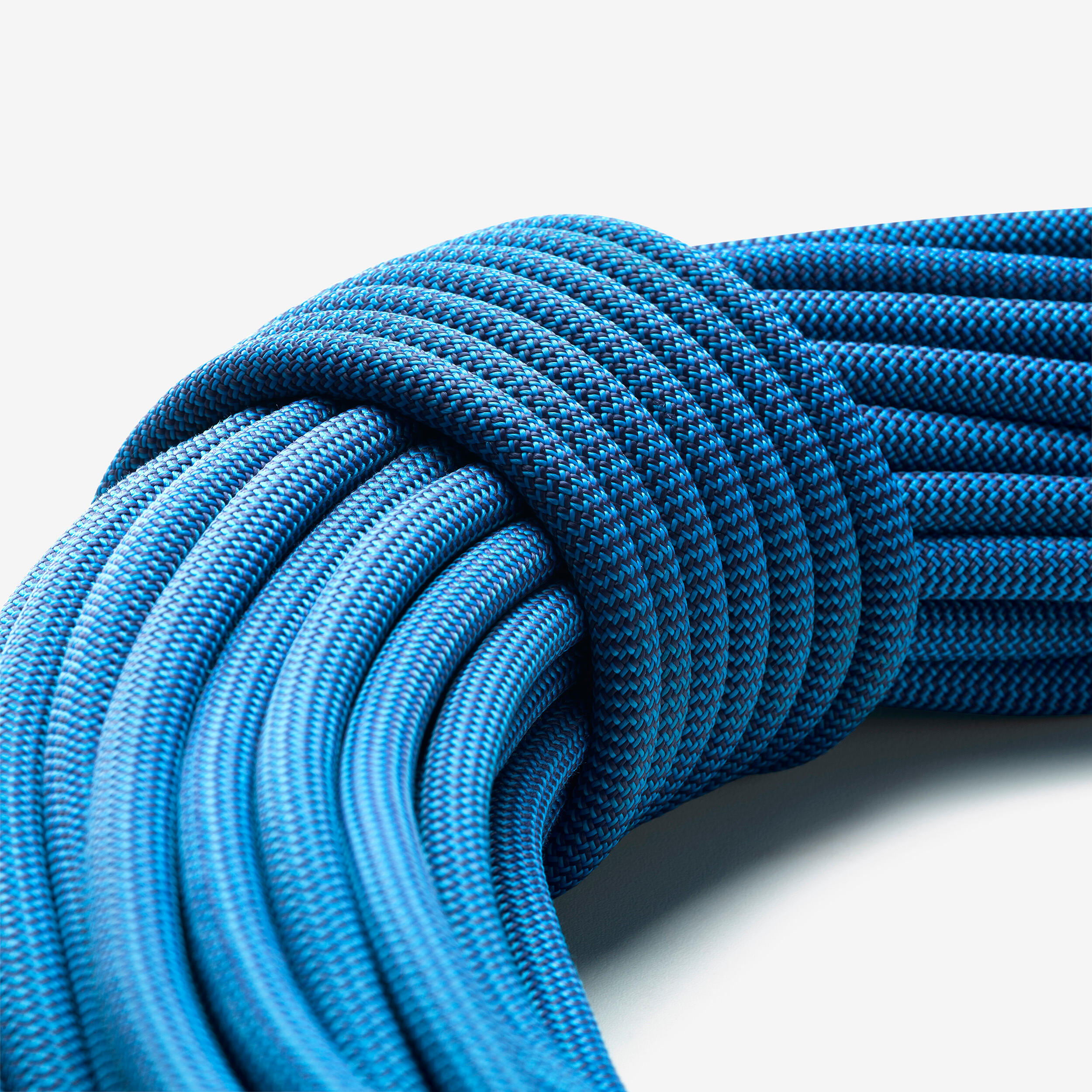
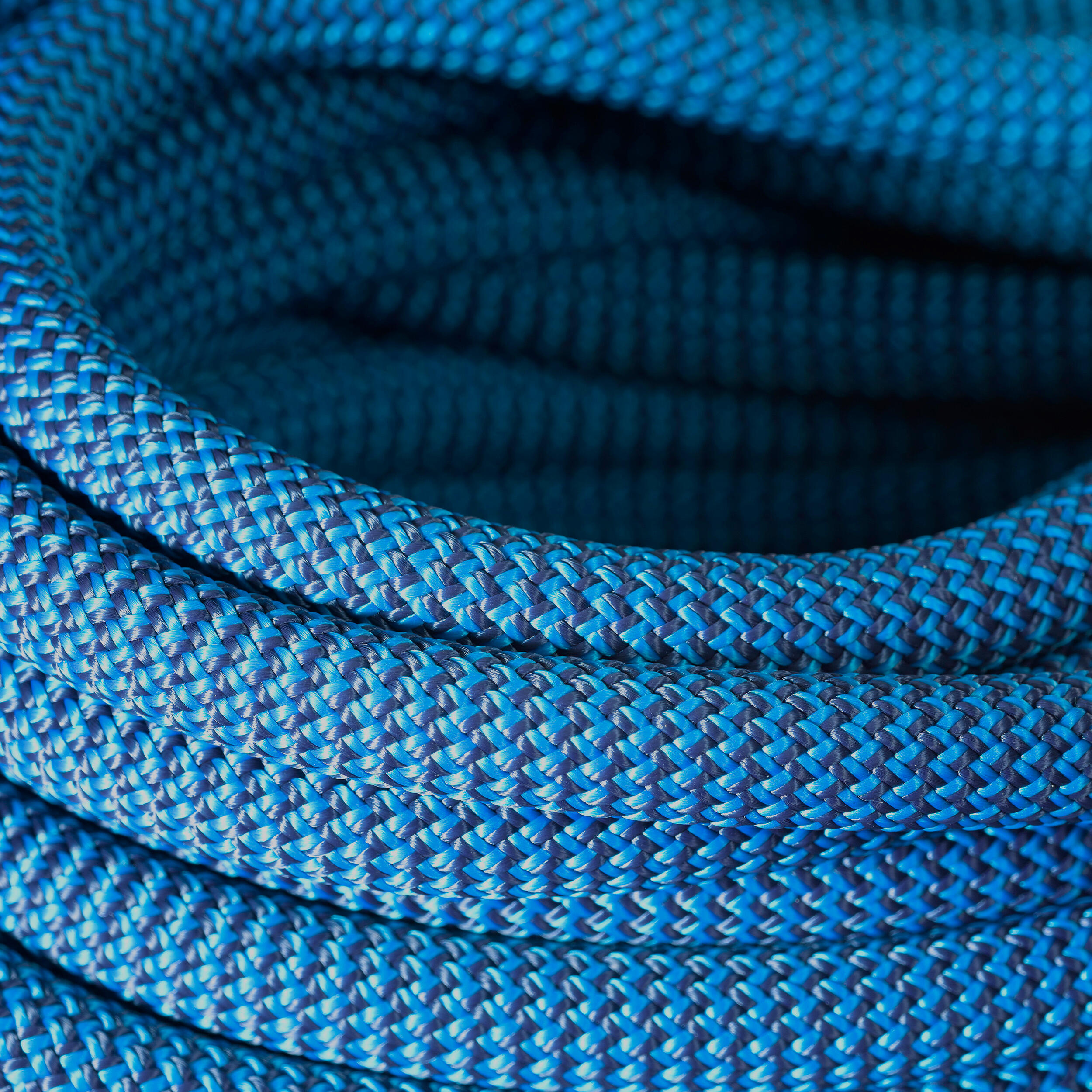
Our designers have chosen to colour the threads of the sheath using “Dope dye” technology (the threads in the core are not dyed).
This technology adds colour pigments as early as the manufacturing stage, before the strands are braided. This method stands out from traditional dyeing techniques by reducing the amount of water needed and the amount of waste water discharged from the dyeing baths.
WEIGHT (standard EN 892)
The weight is 65 g/m.
The weight is measured according to the EN 892 standard.
For a single rope, the rope must be exposed to 10 kg of tension for 1 minute in very precise temperature and moisture conditions.
This gives you the real weight of the rope, which is often superior to the weight given by the standard.
But the standard allows us to compare ropes objectively.
STORING YOUR ROPE
Ropes should be stored in a cool, dry place, away from light, humidity, and corrosive agents. Never leave ropes inside a car during summer, for example.
CERTIFICATION
EN 892 certified rope
UIAA 101 certified rope
ROPE LENGTH EVOLUTION
As they get older, all climbing ropes get shorter. Usually, they get 2 to 5% shorter, but this can reach up to 10% depending on humidity, heat, falls, washing, etc. To decrease this effect, we calculate an extra margin of length when manufacturing our ropes, but sometimes this isn’t enough. This is why we recommend regularly measuring your rope and checking the rope’s middle mark.
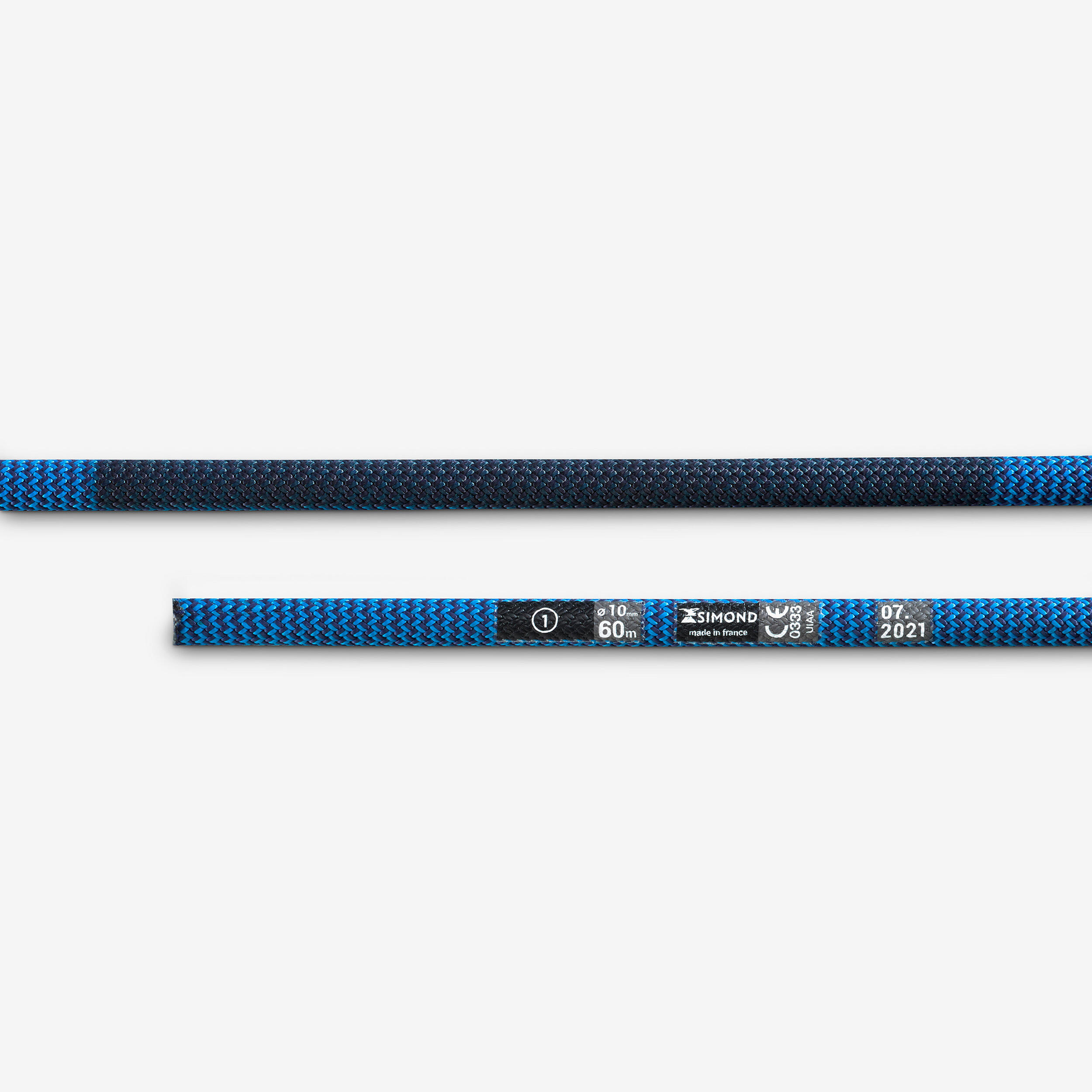
ROPE CENTRE MARKING
To improve your safety, this rope features a black mark which indicates the middle of the rope.
We recommend always checking the length of the route before climbing as well as tying a knot at the end of the rope.
TECHNICAL CHARACTERISTICS (standard EN 892)
They are measured and validated in the laboratory by a certification body in accordance with standard EN 892:
Number of falls: 8
Impact force: 9.4 KN
Sheath percentage: 32%
Dynamic elongation: 29.6%
Static elongation: 6.5%
Sheath slippage: 0 mm